


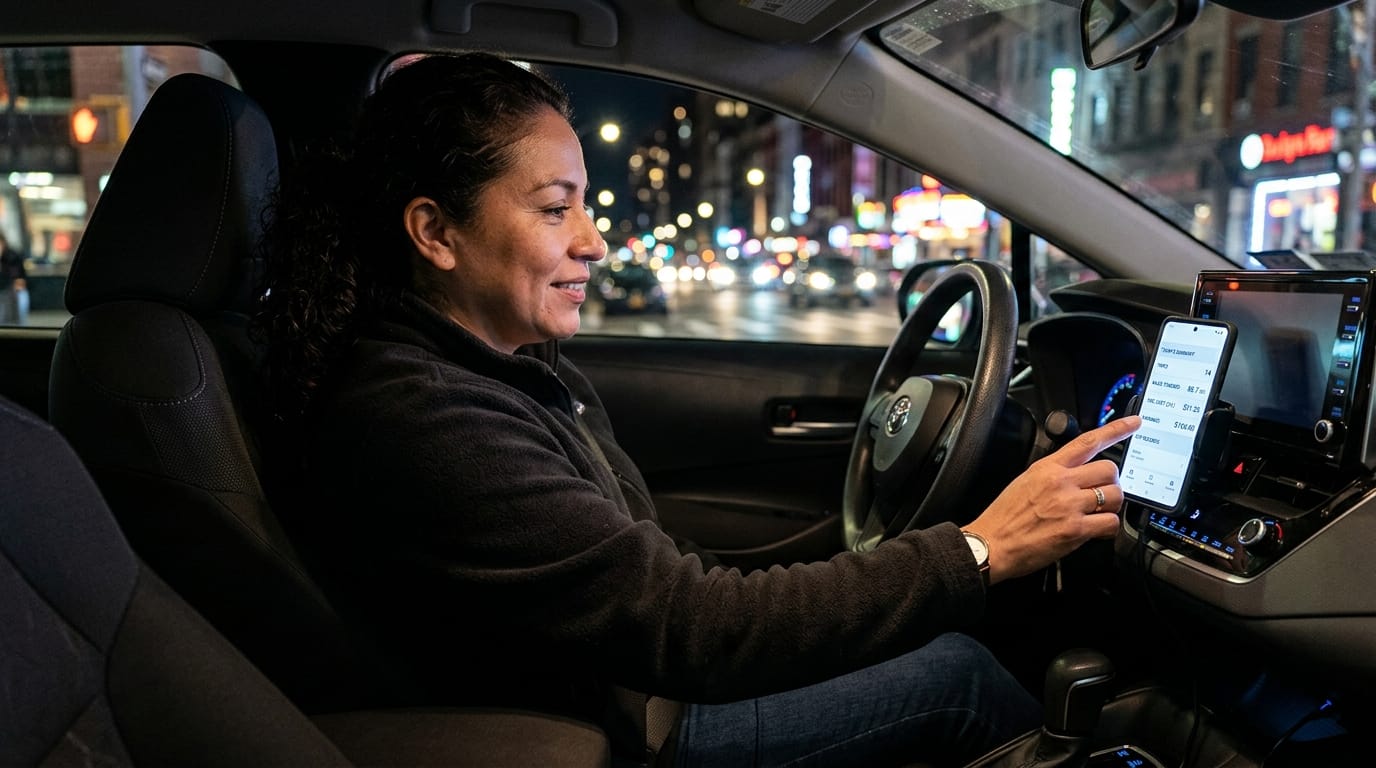

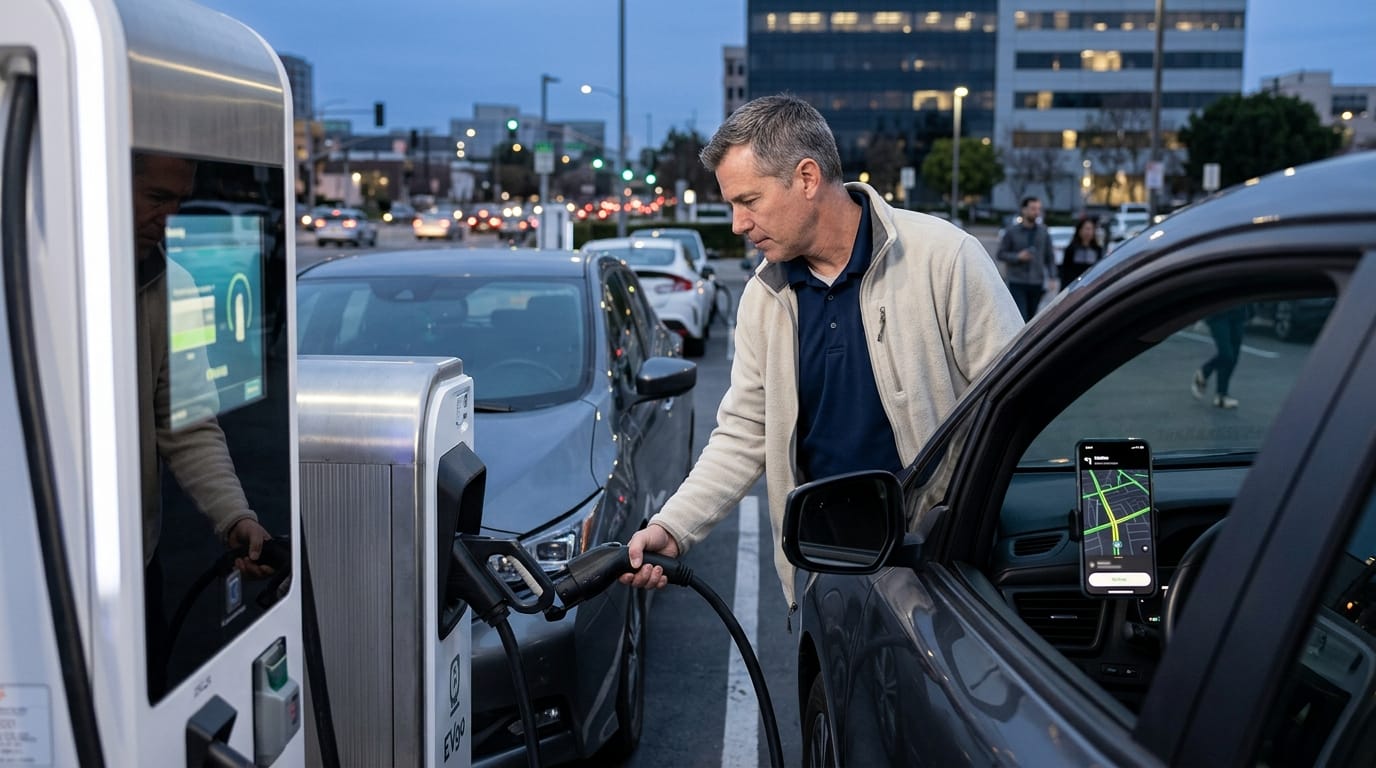
Rideshare EV charging strategy matters more in 2026 because electric vehicles are no longer just a future idea for Uber and Lyft drivers. More drivers are comparing EVs, hybrids, and gas cars because fuel costs, maintenance, platform incentives, charging discounts, and rider preferences can all affect profit. But switching to an EV is not automatically a smart move. The real question is whether the charging plan works for the driver’s schedule, market, apartment or home setup, and daily mileage.
This is where many drivers get the math wrong. They compare gas prices to electricity prices and assume the EV wins. Sometimes it does. But rideshare drivers do not only pay for energy. They also pay with time. Charging time, charger distance, waiting lines, broken chargers, peak electricity rates, parking fees, battery range loss, and dead miles to reach a charger can all reduce profit. A driver who saves money on energy but loses two profitable hours per day may not really be ahead.
In 2026, EV strategy is becoming a bigger topic because platforms are pushing electric driving while drivers are asking harder questions about real-world charging access. Uber has promoted EV incentives for qualifying drivers, and charging networks are offering driver discounts in some markets. That sounds good, but incentives do not replace a business plan. Drivers still need to know their numbers before changing vehicles.
Why Rideshare EV Charging Strategy Matters More in 2026
EVs can make sense for rideshare drivers because they may reduce fuel costs, lower some maintenance expenses, and qualify for platform incentives. For high-mileage drivers, those savings can be meaningful. A driver who completes many trips per week may feel the difference quickly if charging is cheap, convenient, and predictable.
But the rideshare EV charging strategy must match the driver’s real work pattern. A part-time driver with home charging may have a very different experience from a full-time driver who depends on public fast chargers. A driver in a dense city with many charging stations may have a different result from a suburban driver who must drive 20 minutes just to find an open plug. The same EV can be profitable in one market and frustrating in another.
This topic connects naturally with your existing guide on Best EV Strategy for Rideshare Drivers in 2026. That article helps drivers think about whether an EV fits their business. This guide goes deeper into the charging side, where the real profit decision often happens.
Charging time is the new hidden cost
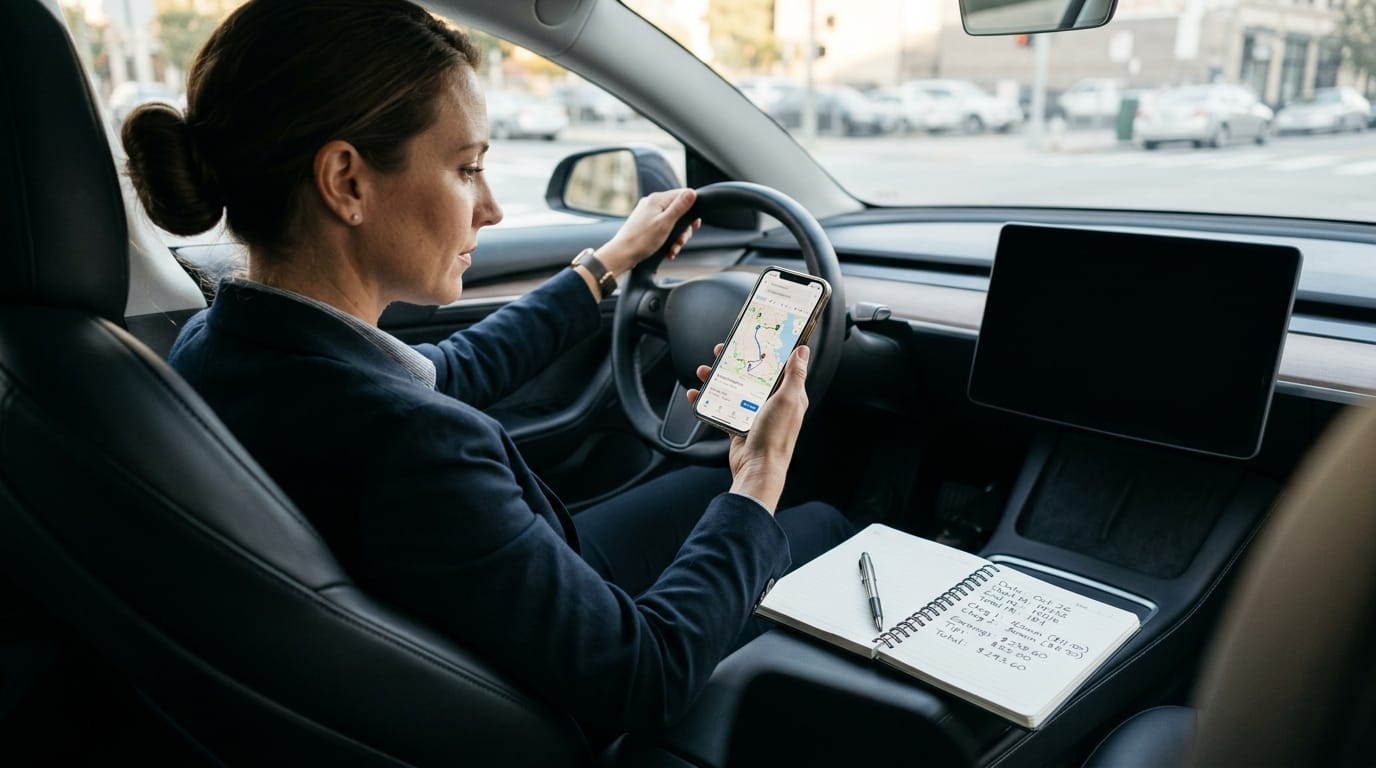
For gas drivers, refueling is usually simple. Stop, fill up, and leave within a few minutes. For EV drivers, charging can be fast or slow depending on the charger type, vehicle, battery level, charging curve, weather, and station availability. That means time becomes part of the cost.
A driver should not only ask, “How much does charging cost?” A better question is, “How much earning time does this charging plan take away?” If a driver charges during dead hours, overnight, or during a planned meal break, the cost may be low. If a driver has to stop during peak demand, wait in line, or leave a busy zone to charge, the hidden cost can be high.
This is why charging strategy must be connected to trip selection. Drivers should combine EV planning with a strong rideshare upfront pay strategy. A long ride may look profitable until it ends far from a reliable charger with low battery. A busy downtown shift may look strong until charger congestion kills the next hour.
Home charging changes everything
Home charging is one of the biggest advantages an EV rideshare driver can have. If a driver can plug in overnight and start each shift with a full battery, the EV becomes easier to manage. The driver avoids many public charger lines, reduces range anxiety, and can treat charging as part of normal downtime.
Home charging is especially useful for drivers who work predictable shifts. For example, a driver may charge overnight, work the morning commute, take a midday break, then work the evening rush. If the battery range supports that schedule, the EV can operate smoothly without wasting prime earning hours.
However, renters and apartment drivers may not have this option. That does not automatically mean an EV is a bad idea, but it does make the decision harder. A driver without home charging needs a realistic public charging plan before switching vehicles.
Public fast charging needs planning, not hope
Public fast charging can work well when stations are close to profitable driving zones, reliable, affordable, and available at the right times. It becomes a problem when drivers have to leave strong demand areas, wait behind other vehicles, deal with broken chargers, or pay high peak rates.
Before relying on public fast charging, drivers should test the local network for at least a few days. Visit chargers during the same hours you would actually drive. Check how many stalls are open, how often chargers are broken, whether restrooms or food are nearby, and how long the full stop takes from arrival to departure.
A charger that looks close on a map may still be weak for rideshare work. If it requires awkward parking, heavy traffic, unsafe surroundings, or expensive charging rates, it may not support a profitable shift. Good EV drivers treat charging locations like work zones, not just map pins.
Incentives and discounts can improve the EV math
Incentives matter, but drivers should not let incentives make the entire decision. A one-time bonus can help reduce the cost of switching, but the driver still has to live with the vehicle every day. Charging access, insurance, maintenance, depreciation, battery health, and platform demand matter more over the long run.
Uber’s official EV driver page says certain Platinum and Diamond drivers may qualify for a $4,000 Go Electric incentive after switching to an EV and completing 100 eligible rides by December 31, 2026. That is worth knowing, but drivers should read the full terms before buying or leasing a vehicle. Incentives can have eligibility rules, market limits, timing requirements, and other conditions.
Drivers should also compare charging discounts. Some charging networks offer special pricing for rideshare drivers based on platform status. Those discounts can help, but only if the chargers are actually useful for the driver’s market and schedule. A discount at an inconvenient charger is not automatically a good deal.
Do not buy an EV based only on a bonus
A bonus can make a good EV decision better. It cannot fix a bad EV decision. If the vehicle payment is too high, insurance jumps too much, range is too low, or charging access is weak, the driver may regret the switch even after receiving an incentive.
Drivers should calculate total cost over months, not days. That means comparing payment, insurance, charging, maintenance, tires, depreciation, downtime, cleaning, registration, and possible repair costs. EVs can reduce some expenses, but they do not eliminate business risk.
This is where drivers should connect EV planning to real profit tracking. Your guide on rideshare pay transparency in 2026 is a strong internal link because EV drivers need to track gross pay, active hours, online hours, miles, charging time, and net profit. App earnings alone do not tell the full story.
How Drivers Can Build a Profit-First EV Charging Plan
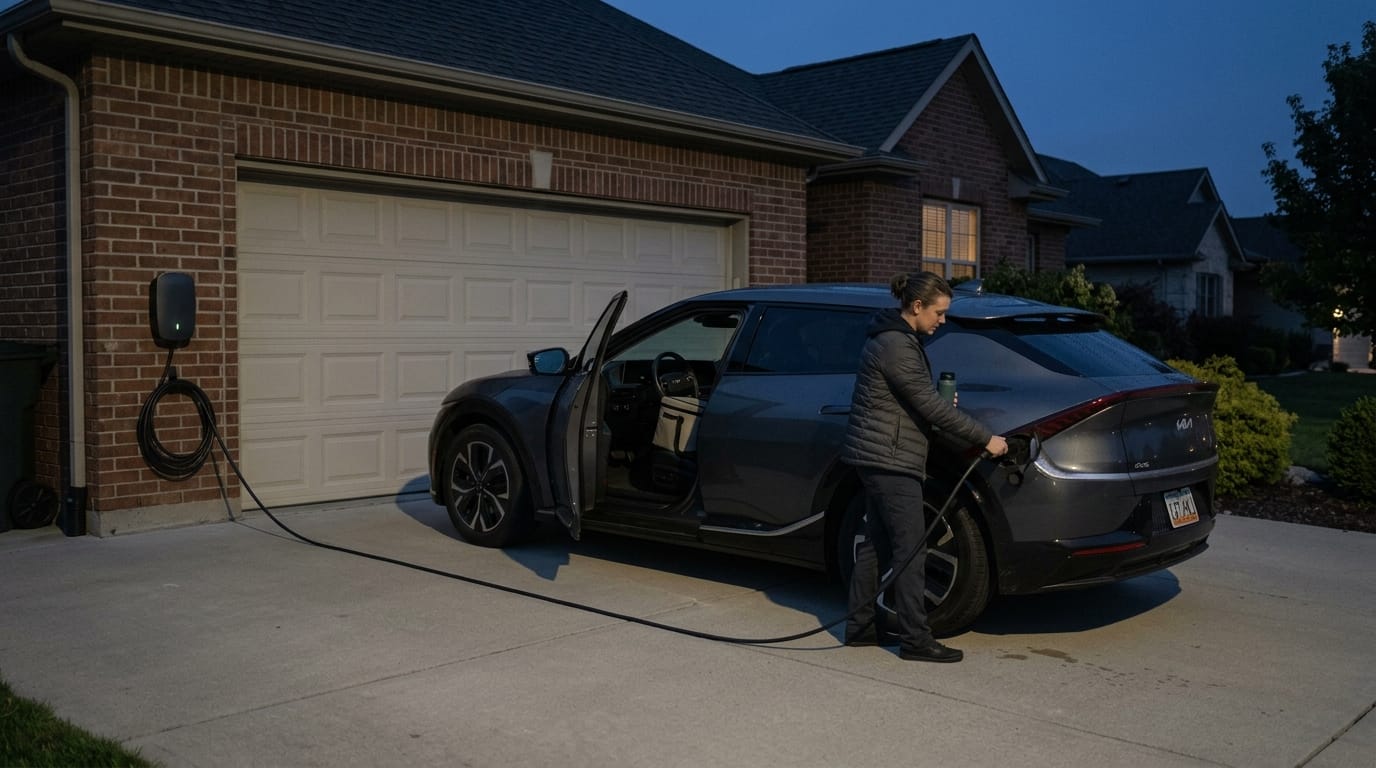
A profit-first rideshare EV charging strategy starts with real numbers. Drivers should track current gas costs, weekly mileage, dead miles, shift hours, average trip distance, airport time, event driving, and city versus suburban trips. Then they should compare how an EV would handle the same work.
Start by asking practical questions. Can you charge at home? If not, where are the three most reliable chargers near your best driving zones? What does charging cost at the hours you drive? How long does your vehicle take to charge from 20% to 80%? How much range do you lose in winter, heat, hills, or freeway-heavy driving? How often will you need to charge during a shift?
Drivers should also think about battery strategy. Many EVs charge fastest in the middle of the battery range and slow down near the top. Charging from 20% to 80% may be more efficient than waiting to reach 100% at a fast charger. The right approach depends on the vehicle and shift plan, but drivers should learn the charging curve instead of guessing.
Build a weekly charging schedule around demand
The best charging schedule avoids peak earning hours when possible. If mornings are strong in your market, charge before the morning rush. If weekend nights are profitable, do not enter that window with a low battery. If airport queues are slow, a nearby charger might be useful only if it does not create extra dead miles or missed requests.
Drivers should make a simple weekly plan. Identify the strongest earning windows, the weakest charging windows, and the most reliable chargers. Then build shifts around that pattern. The goal is not just to charge cheaply. The goal is to charge without damaging revenue.
This connects with your guide on rideshare mileage tracking in 2026. EV drivers still need to track miles because dead miles, charger miles, pickup miles, and return miles all affect real profit. Electricity may be cheaper than gas, but unpaid miles are still unpaid miles.
Drivers should also compare EV strategy with fuel strategy. Your article on rideshare fuel costs in 2026 is useful because the EV decision should be measured against the real cost of staying with gas or hybrid driving. The answer is not always the same for every market.
Do not switch until you track your real numbers
Before buying or leasing an EV, track at least a few weeks of rideshare numbers. Write down total app earnings, online hours, active hours, total miles, fuel cost, dead miles, maintenance, and where your best trips start and end. Then estimate how those same shifts would work with EV charging.
Drivers should be honest about their habits. If you rarely plan ahead, hate waiting, drive long shifts, live far from fast chargers, and cannot charge at home, an EV may create stress unless your market has excellent charging access. If you have home charging, predictable shifts, strong local charger coverage, and high fuel expenses, an EV may be a strong business move.
EV planning also connects to future platform changes. Robotaxi expansion depends heavily on charging infrastructure, fleet operations, and electric vehicles. Human drivers should watch that trend because platform investments in EV depots and charging may affect the broader rideshare market. Your article on robotaxi expansion in 2026 is a useful related read for drivers thinking beyond the next shift.
For official driver incentive details, review Uber’s Road to Zero Emissions driver page. Drivers should read the terms carefully before making a vehicle decision.
The bottom line is direct. An EV can help rideshare drivers, but only when the charging plan protects profit. A good rideshare EV charging strategy includes home charging if possible, reliable public chargers, realistic timing, platform incentive review, mileage tracking, and weekly profit checks. Do not switch because the trend sounds exciting. Switch only when the numbers work.
In 2026, the drivers who win with EVs will not be the ones who simply plug in and hope. They will be the drivers who treat charging like part of the business. That means knowing when to charge, where to charge, what charging really costs, and how every charging stop affects the next ride.