
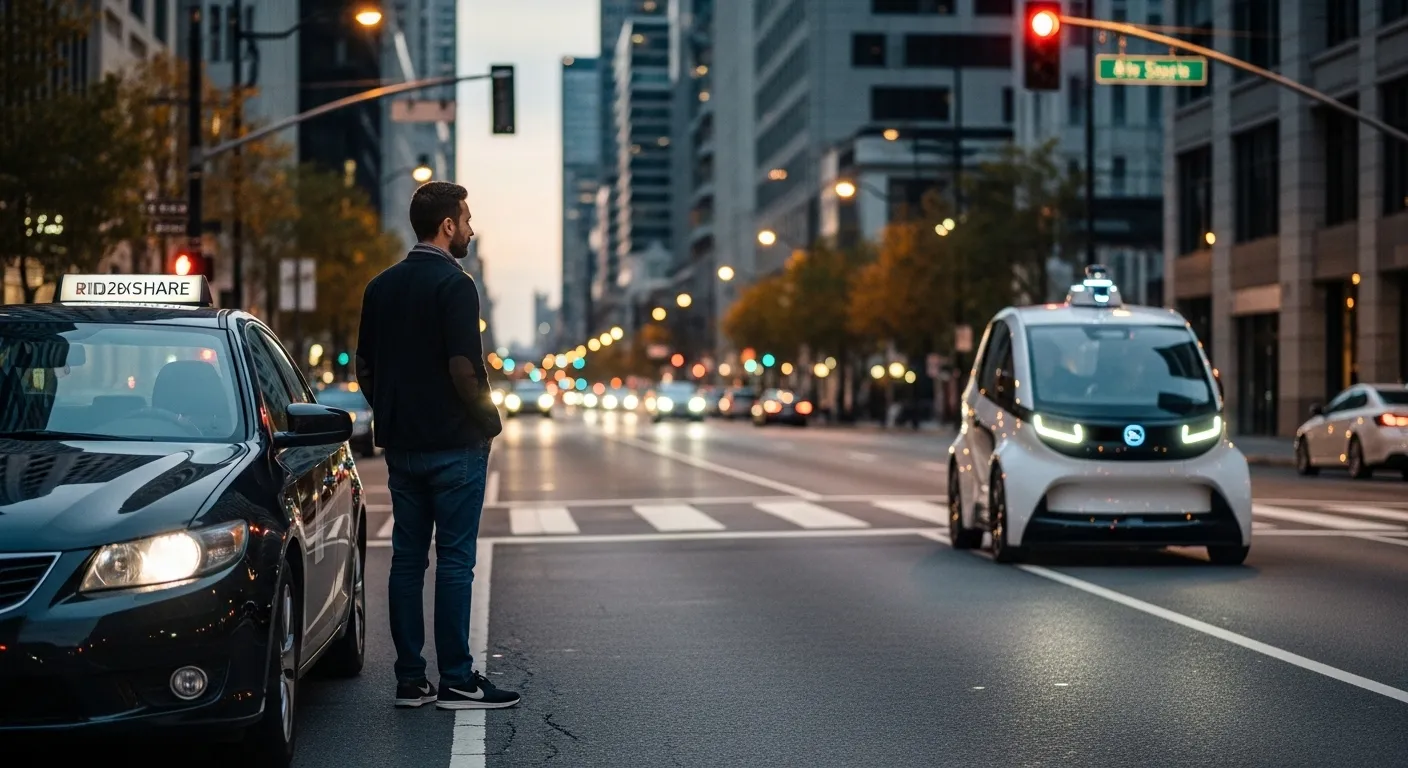
Robotaxi rideshare drivers are entering a new phase in 2026. What used to sound like a distant tech story is now becoming a real business issue for people driving for Uber and Lyft. Major companies are putting more money, more partnerships, and more public launches behind autonomous rides. As a result, human drivers need to think less about hype and more about strategy.
That matters because the impact does not begin only when robotaxis fully replace human drivers. The pressure can start much earlier. Platform priorities shift, rider expectations change, and high-value trip zones can get reshaped long before a market becomes heavily autonomous. In plain English, robotaxi expansion can change driver economics before most drivers notice what is happening.
For ridesharedrivers.club, this is one of the most useful topics to publish right now. Drivers do not just want headlines about automation. They want to know what the trend means for earnings, trip patterns, app strategy, and long-term survival. That is exactly why a practical guide for robotaxi rideshare drivers makes sense in 2026.
Why Robotaxi Rideshare Drivers Need to Pay Attention in 2026
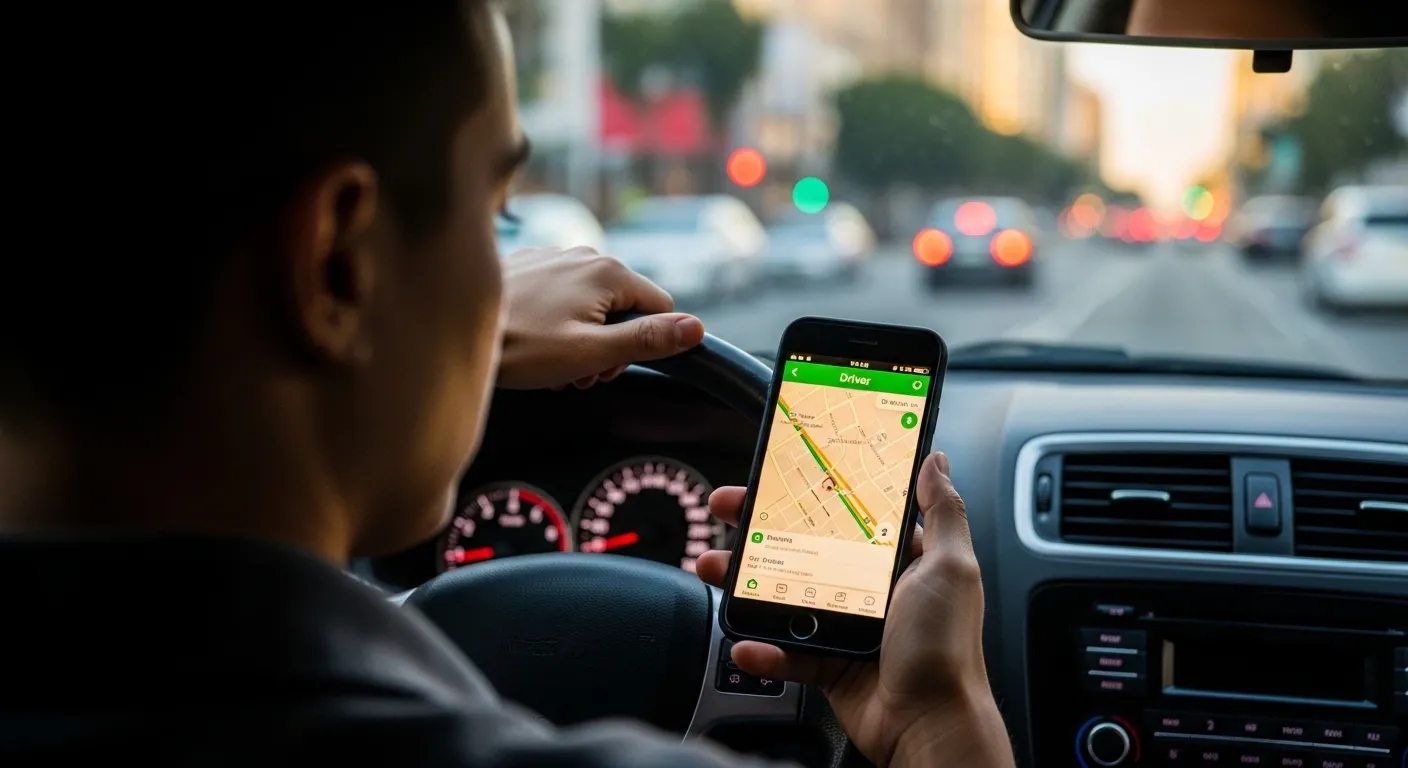
The biggest mistake drivers can make is treating robotaxis as either fake hype or instant disaster. Both reactions are weak. The smarter view is that robotaxi growth is real, but uneven. Some cities will feel it sooner. Some trip types will face pressure earlier. Most importantly, platform companies may start changing how they value human drivers even before widespread replacement happens.
Robotaxi Rideshare Drivers Are Watching a Real Business Shift
For years, autonomous vehicle news sounded distant. Companies showed demos, ran controlled pilots, and made vague promises about the future. In 2026, the tone has changed. Robotaxi services are launching in live markets, operators are expanding their service zones, and platforms are talking more openly about autonomous rides as part of their long-term business.
Platform direction matters more than online arguments
Many drivers waste too much time debating whether robotaxis are “really ready.” That question matters less than it seems. What matters first is whether Uber, Lyft, and related companies are building partnerships, adjusting strategy, and shaping the rider experience around autonomous trips. Once that starts, the business direction is already moving.
Drivers should also remember that local market reality matters. One city may see visible robotaxi growth, while another remains mostly human-driven. So the smart move is not panic. The smart move is paying closer attention to local platform behavior, rider messaging, and service changes that suggest where the pressure may show up first.
The first impact may be weaker pricing, not sudden replacement
A lot of drivers imagine a simple disaster scenario. A robotaxi appears, and overnight a driver loses a huge chunk of income. Real disruption usually starts in smaller steps. Companies may push autonomous-friendly areas, market robotaxi rides more aggressively, or favor dense urban corridors where automation makes better business sense.
That means the first real effect may look like margin pressure, not direct replacement. Drivers may notice weaker pricing power, fewer profitable short city rides, more platform experimentation, or a subtle shift in how human drivers fit into the company’s future. That is why robotaxi rideshare drivers should prepare early instead of waiting for obvious damage.
Not Every Driver Faces the Same Level of Risk
Robotaxi expansion will not hit every driver in the same way. Dense downtown zones, airport corridors, mapped urban cores, and repeat short-trip areas will likely feel pressure before more complex suburban or edge-case routes. That difference matters because it creates room for drivers who think clearly and adapt faster.
If your market has almost no autonomous rollout, panic is pointless. However, if your city is already seeing public robotaxi pilots, new service zones, or stronger platform partnerships, that is a signal. At that point, robotaxi rideshare drivers should stop treating automation as a far-off idea and start treating it as a business condition.
Human drivers still win where judgment and flexibility matter
Human drivers still have real strengths. Riders often need help with bad pickup points, luggage, confusing venues, weather issues, changing plans, event traffic, and messy curbside situations. These are the human parts of transportation that still create friction for automated systems.
The more basic the trip, the easier it is for a company to imagine replacing the driver. The more complicated the trip, the more value a skilled human driver can still provide. That is why some of the best opportunities for robotaxi rideshare drivers may remain in service-heavy, judgment-heavy situations instead of simple point-to-point urban rides.
Late-night driving is a strong example. Riders are less predictable, pickup zones are more chaotic, and real-time judgment matters much more. That connects naturally to Late-Night Safety Tips for Rideshare Drivers in 2026, because some of the hardest trips to automate smoothly are also the trips that demand stronger safety habits from human drivers.
What Robotaxi Rideshare Drivers Should Actually Do Now
Drivers do not need to reinvent everything tomorrow. They do need a smarter operating strategy. The goal is not to deny the trend or act helpless. The goal is to protect earnings, strengthen flexibility, and shift toward the parts of rideshare work that still reward human service.
Robotaxi Rideshare Drivers Need a More Defensive Earnings Strategy
The first step is to stop depending on one narrow pattern of work. If most of your earnings come from the exact kinds of trips that platforms may automate first, then your business model is weak. On the other hand, drivers who diversify their zones, hours, apps, and trip types are much harder to squeeze.
Focus on trips where human value still stands out
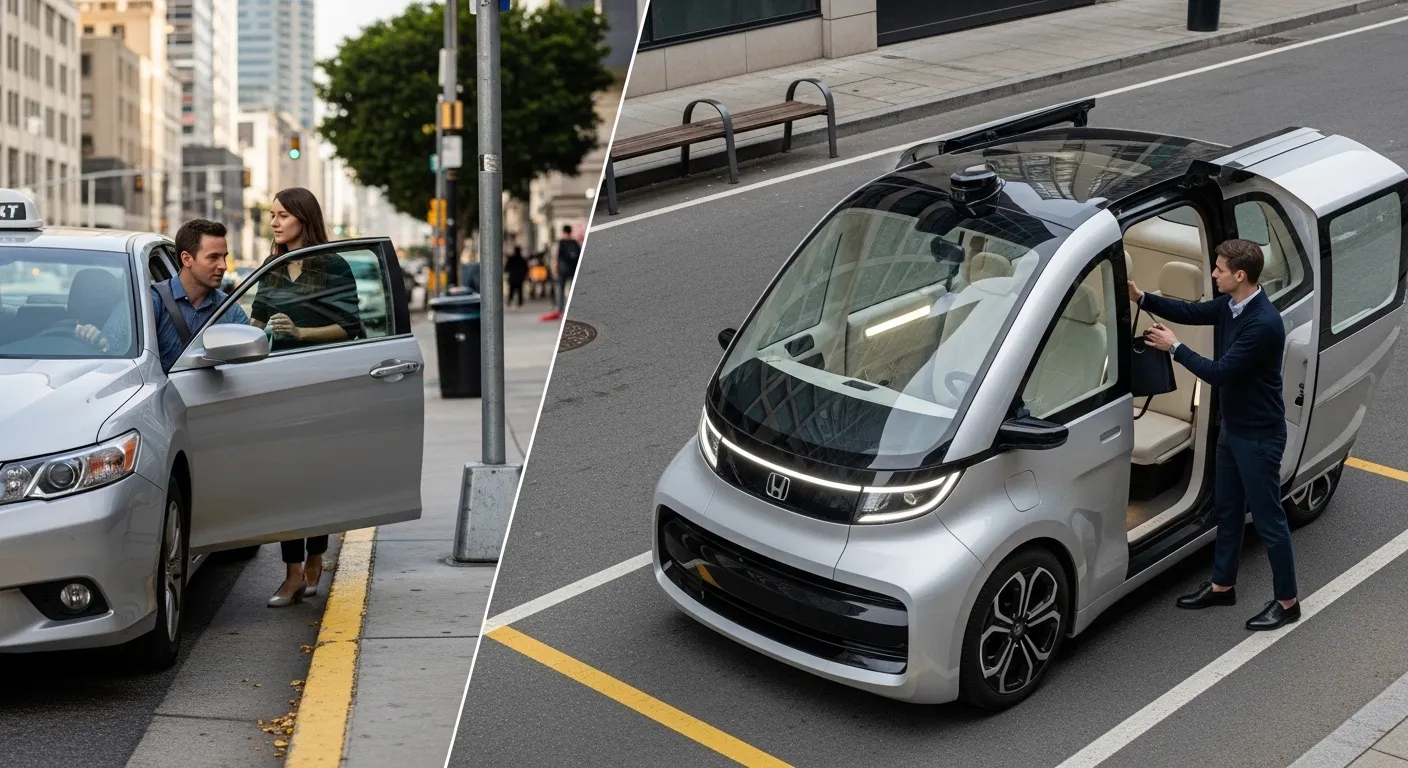
Drivers should pay more attention to where they still create extra value. Airport help, scheduled rides, nightlife exits, difficult venues, elderly passengers, event traffic, and long pickups with changing conditions still reward human flexibility. Those areas may not stay protected forever, but they are less likely to become clean robotaxi territory overnight.
Drivers should also compare how each app is shifting. Some markets may lean harder toward one platform than another depending on partnerships, rider demand, and incentive strategy. That is why this article should also point readers to Lyft vs Uber for Drivers in 2026: Which App Looks Better This Year?. The same robotaxi story can hit each platform differently.
Build your financial buffer before the pressure gets obvious
Too many drivers react only after earnings drop. That is backward. A better move is to create more breathing room while income is still stable. Cut unnecessary fixed costs. Track vehicle expenses more carefully. Save more during stronger weeks. Review maintenance timing, insurance protection, and how dependent you are on one app.
This is also where drivers need to stop thinking like daily cash-out workers and start thinking like operators. Drivers who know their real hourly profit make better choices. Drivers who only rely on gut feeling usually react too late. That is why Rideshare Driver Tax Deductions in 2026: Mileage, Expenses, and Quarterly Tax Basics belongs inside this discussion. If you do not know your true profit, then you cannot measure how much platform pressure is hurting you.
The same goes for risk protection. When margins tighten, insurance gaps become more dangerous. That is why Rideshare Insurance Gaps in 2026: What Uber and Lyft Drivers Need to Know is another strong internal link for this topic.
Think Beyond Driving Without Quitting Too Early
Some drivers will want to move into other work. That is fair. Still, quitting in panic is not a strategy. A smarter approach is to widen your options while you still earn. That might include delivery, legal private-client work, chauffeur-style services, dispatch support, fleet-related work, or broader gig diversification.
The mindset matters here. Drivers who think, “I am just waiting to be replaced,” usually make worse choices. Drivers who think, “The market is changing, so I need leverage,” tend to act earlier and smarter. Even if robotaxi rollout takes longer than expected, that mindset still improves decision-making.
Vehicle strategy matters more when margins tighten
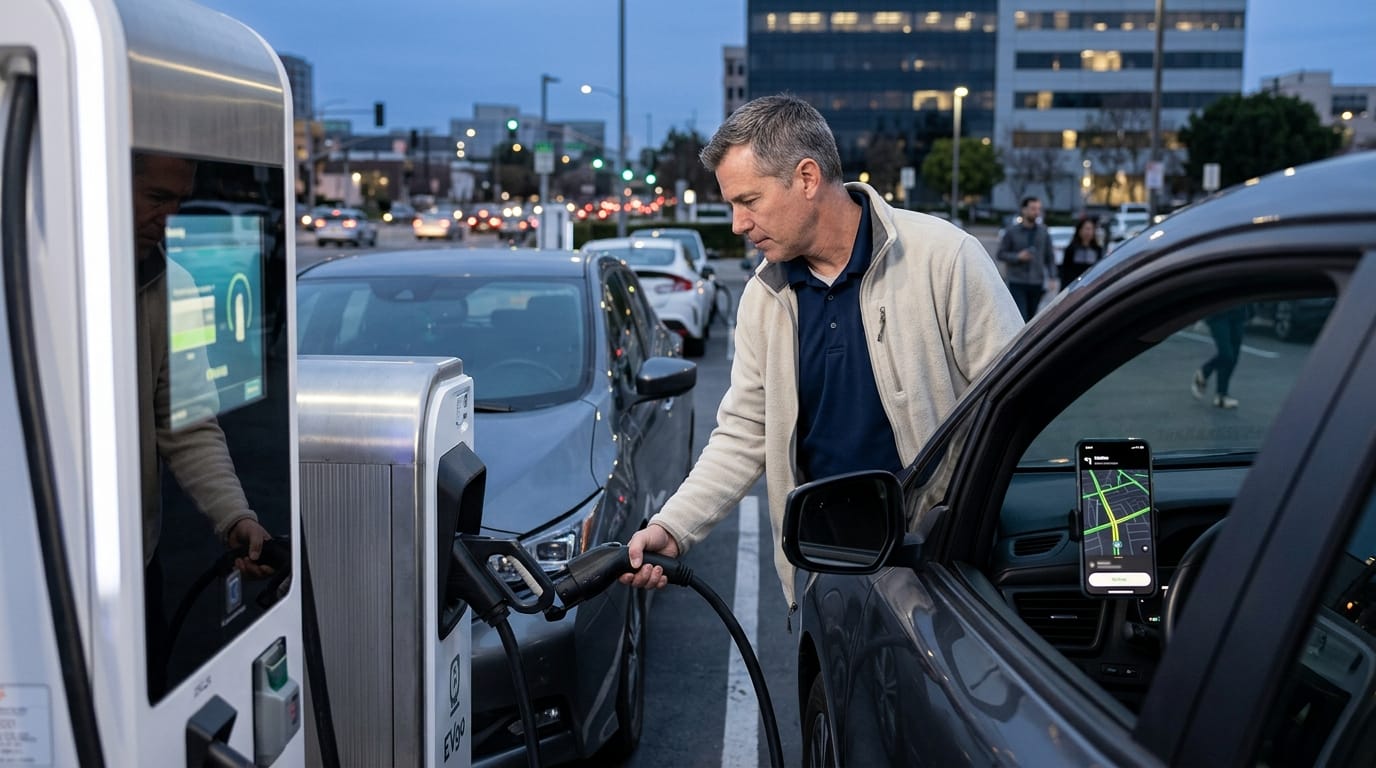
When the market gets tougher, vehicle choice becomes more important. Drivers need to think harder about fuel costs, charging access, depreciation, and whether an EV helps or hurts flexibility in their area. That is where Best EV Strategy for Rideshare Drivers in 2026 becomes a strong supporting article.
For an outside authority, a strong reference is the NHTSA Standing General Order on Crash Reporting. It matters because it shows the federal government still treats automated driving incidents as something that needs reporting and oversight. That alone tells drivers the industry is no longer operating in theory mode.
The bottom line is simple. Robotaxi rideshare drivers should not panic, but they also should not sleepwalk through 2026. The smarter response is positioning. Protect earnings. Stay flexible. Focus on the trip types where human judgment still wins. Build stronger financial discipline now. That is how drivers stay useful while the market shifts around them.