

Rideshare upfront pay strategy matters more in 2026 because drivers cannot afford to accept trips blindly. Fuel costs, vehicle wear, platform fees, dead miles, traffic, insurance risk, and taxes all affect real profit. A trip can look good inside the app, but still waste time and money if the pickup is too far or the drop-off ends in a weak area.
For Uber, Lyft, and multi-app drivers, the goal is not to accept every ride. The goal is to accept rides that make business sense. That means looking beyond the dollar amount shown on the request screen. Drivers should compare payout, time, miles, direction, traffic, destination, rider behavior risk, and the chance of getting another good trip after drop-off.
This topic fits RideshareDrivers.club because it connects with your existing guides on rideshare fuel costs in 2026, rideshare driver tax deductions, rideshare insurance gaps, and driver deactivation appeals. Upfront pay affects all of those issues because every trip decision affects income, risk, and records.
Why Rideshare Upfront Pay Strategy Matters in 2026
Upfront pay gives drivers more information before they accept a request. That can help. Drivers may see the estimated payout, pickup area, drop-off direction, and expected time. But more information does not automatically mean better profit. Drivers still need to read the offer with a business mindset.
The trap is simple. A driver sees a fare and reacts quickly. The app gives only a short time to decide. During that moment, weak trips can look acceptable. A $12 ride may feel decent until the driver notices a long pickup, heavy traffic, toll exposure, or a drop-off far from demand.
A strong rideshare upfront pay strategy slows that thinking down. Drivers should build simple rules before the shift starts. Those rules help avoid emotional decisions when the app is busy, the map is glowing, or the driver feels pressure to keep moving.
Upfront pay does not always show real profit
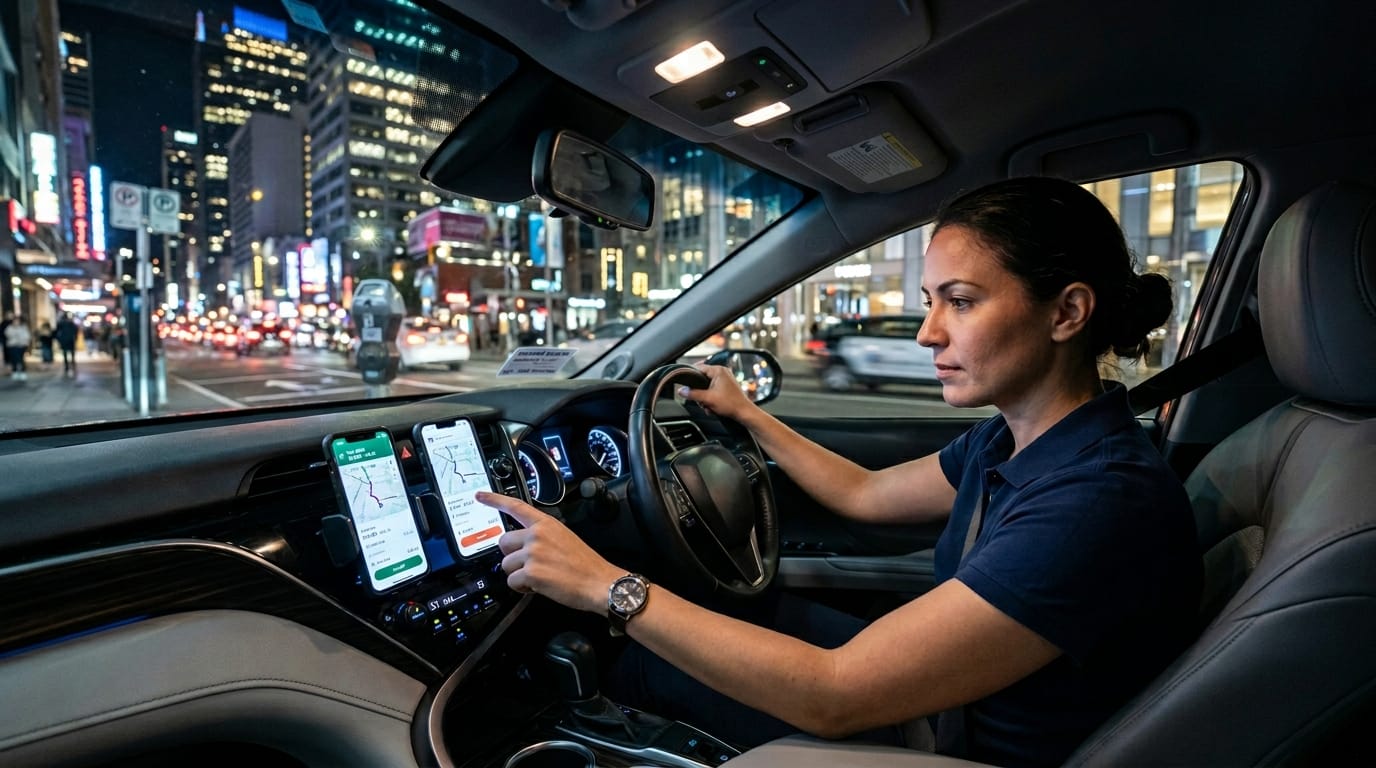
Upfront pay shows expected earnings for the trip, but drivers still need to calculate the cost of getting that fare. A ride may include unpaid pickup miles. It may send the driver into a low-demand neighborhood. May require sitting in traffic. It may also increase wear on brakes, tires, and suspension.
The real number is not gross pay. The real number is profit after costs. A driver who earns $250 in a day but drives too many unpaid miles may keep less than another driver who earns $200 with better trip selection. Busy does not always mean profitable.
Look at dollars per mile first
Dollars per mile is one of the fastest ways to judge a trip. Drivers should include pickup miles and trip miles when doing the math. A short pickup with a clean route can be strong. A long pickup for a short ride can quietly destroy profit.
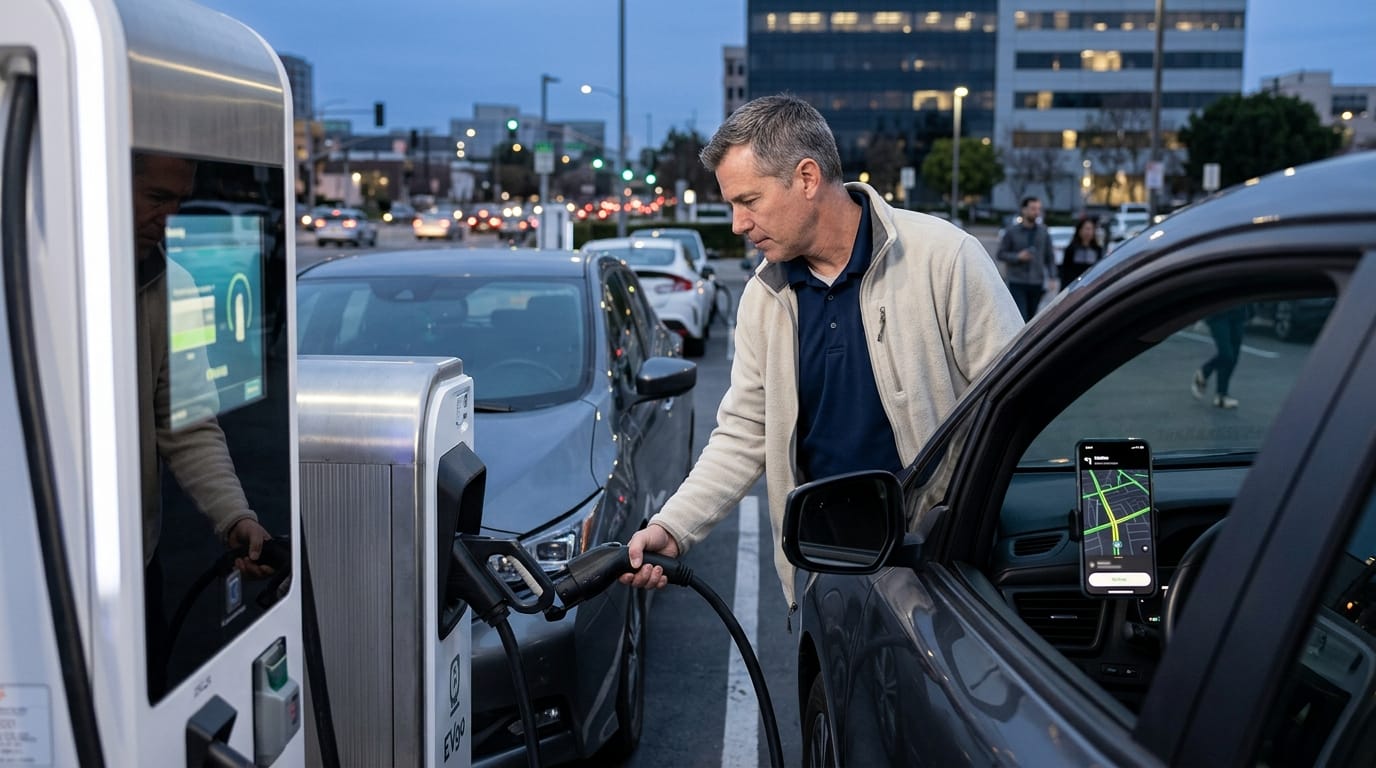
Each city is different, so every driver needs personal rules. A hybrid driver may accept some trips that a larger SUV driver should reject. An EV driver may care less about gas, but charging time still matters. The right rule depends on the vehicle, market, schedule, and goals.
Compare dollars per hour too
Dollars per mile matters, but it is not enough. A ride with good mileage may still be weak if it gets stuck in traffic for too long. Drivers should also estimate dollars per hour. A trip that pays $18 but takes 55 minutes may not beat two shorter trips in a busy area.
Traffic changes everything. Airport roads, downtown event zones, stadium exits, school zones, and construction areas can turn a decent fare into a slow grind. Drivers should learn which routes look good on the screen but perform badly in real life.
Destination matters as much as payout
The drop-off area can decide whether a trip is smart. A ride that ends near restaurants, hotels, airports, nightlife, offices, or event venues may lead to another request quickly. A ride that ends in a quiet suburb may create dead miles back to demand.
Drivers should ask one question before accepting: “What happens after this trip ends?” If the answer is “I will probably drive back empty,” the payout must be strong enough to cover that return. If not, the trip may only look profitable because the app does not show the full return cost.
Dead miles can erase good-looking pay
Dead miles are unpaid miles that happen before or after a trip. They are one of the biggest hidden costs in rideshare driving. Long pickups create dead miles before the ride. Bad drop-offs create dead miles after the ride.
Drivers should track dead miles weekly. A driver may discover that certain areas always look tempting but rarely produce strong follow-up trips. Once that pattern becomes clear, trip selection gets easier.
Upfront pay and driver safety are connected
Many drivers think upfront pay is only an earnings issue. It is also a safety issue. A low-value trip to an unsafe area at a bad hour may not be worth the risk. A late-night pickup in a confusing location can create problems. A long ride with unclear stops can also lead to conflict.
Drivers should use pay information and safety judgment together. A trip may pay well, but still deserve caution if the pickup location looks unsafe, the rider changes details repeatedly, or the route creates unnecessary risk. Your guide on late-night safety tips for rideshare drivers is a useful internal link here because earnings and safety should never be separated.
Do not chase every surge
Surge can help profit, but chasing surge can also waste time. Some drivers burn fuel rushing toward a hot zone, only to arrive after demand cools down. Others accept weak rides because the screen makes the area look exciting.
A better approach is to know your market. Stay near reliable demand. Watch events, weather, airport flow, and local schedules. Surge should support a strategy, not replace one.
How Drivers Can Build a Smarter Upfront Pay System
A good rideshare upfront pay strategy should be simple enough to use during a real shift. Drivers do not need a complicated spreadsheet while driving. They need rules they can remember fast. The best system usually combines minimum pay, pickup limits, destination judgment, traffic awareness, and weekly review.
Start with a minimum trip rule. Decide the lowest payout worth your time in your market. Then create a pickup rule. For example, a driver may avoid pickups over a certain distance unless the trip pays well or moves toward a strong area. Next, create a destination rule. Avoid routes that end in dead zones unless the fare covers the likely return.
Drivers should also separate app earnings from business profit. App earnings are only the top line. Business profit comes after fuel, charging, maintenance, cleaning, insurance, tolls, taxes, depreciation, and downtime. This is why your tax and fuel guides should be linked from this article.
For an official external resource on driver earnings claims and transparency, drivers can review the Federal Trade Commission’s action on misleading driver earnings claims. It is a good reminder that drivers should verify numbers instead of relying only on promotional pay claims.
A practical checklist before accepting a ride
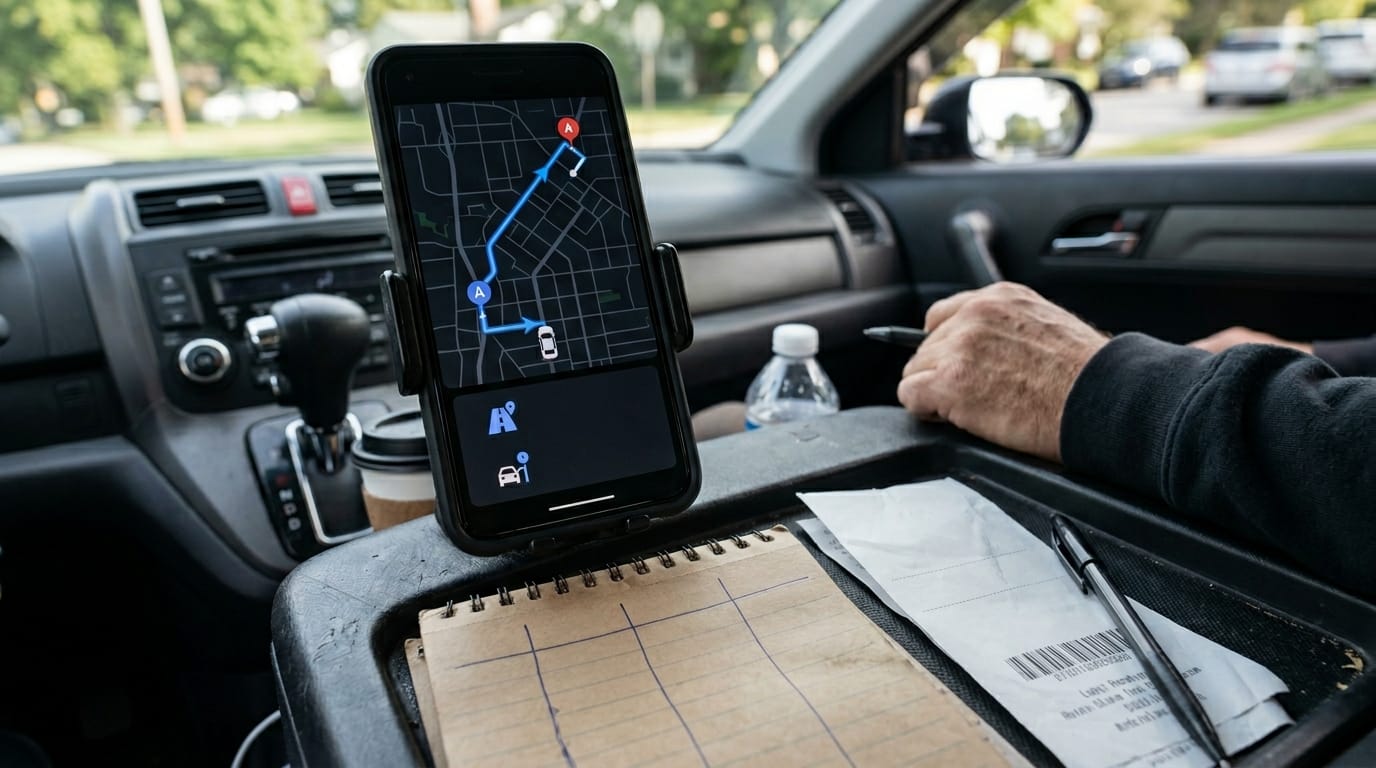
Before accepting, scan the offer quickly. Check the payout, pickup distance, estimated trip time, drop-off direction, traffic, surge, and likely follow-up demand. If the trip looks weak on two or more points, reject it unless there is a clear reason to accept.
During slower hours, drivers may need to be more flexible. During busy hours, they can be more selective. The mistake is using the same rules all day. Morning commute, airport rush, lunch demand, weekend nightlife, and late-night hours each need a different approach.
After each shift, review the results. Track total miles, online hours, active hours, gross earnings, tips, fuel or charging costs, tolls, and dead miles. Drivers do not need perfect records to improve. Even simple notes can reveal which trips helped and which trips wasted time.
Multi-apping can also help, but only when done professionally. Drivers should never accept overlapping rides or create unsafe delays. The point is to compare opportunities across approved platforms and reduce dependence on one app. If one platform is slow, another may offer better trips.
New pay models also deserve attention. Some newer rideshare platforms use different fee structures, subscriptions, or driver-set pricing. That does not automatically make them better. Drivers should compare safety features, demand, insurance, support, local legality, payment timing, and real trip volume before depending on a new app.
The bottom line is clear. Upfront pay gives drivers information, but information only helps when drivers use it correctly. Accepting better trips starts with knowing your numbers. Track miles. Respect fuel costs. Watch destination quality. Avoid dead zones. Protect your safety. Review weekly results.
In 2026, the drivers who succeed will not be the ones who accept every ping. They will be the ones who understand which trips actually create profit. A smart rideshare upfront pay strategy turns the app from a boss into a tool. That is the mindset drivers need to earn smarter and stay in control.