

Rideshare pay transparency is one of the biggest issues Uber and Lyft drivers should watch in 2026. Drivers do not only need to know what a trip pays. They need to know what the trip actually earns after miles, fuel, waiting time, deadhead driving, vehicle wear, taxes, and platform fees. A busy app screen can make a shift look successful, but real profit tells the truth.
For many drivers, the frustrating part is that platform pay can feel hard to predict. One trip may look fair. The next may pay poorly for the same distance or time. Surge, bonuses, upfront fares, rider pricing, airport queues, and trip radar-style offers can make the numbers feel inconsistent. That is why drivers need their own tracking system instead of relying only on what the app shows.
Rideshare pay transparency does not mean waiting for the platforms to explain everything perfectly. A smarter driver builds personal numbers. That means tracking gross pay, total miles, paid miles, unpaid miles, tips, fuel, insurance, maintenance, and time online. Once drivers know those numbers, they can judge trips with more confidence.
RideshareDrivers.club already covers related topics like rideshare fuel costs in 2026, rideshare driver tax deductions, and robotaxi expansion for rideshare drivers. This guide focuses on pay clarity and how drivers can protect profit before accepting more trips.
Why Rideshare Pay Transparency Matters More In 2026
Rideshare driving has changed from simple per-mile and per-minute math into a more complex pricing system. Many drivers now see upfront offers, estimated time, estimated distance, pickup location, drop-off direction, bonuses, and occasional surge. Those details help, but they do not always show the full cost of the trip.
A driver may accept a ride that looks good on the screen, then lose profit through a long pickup, traffic delay, dead zone drop-off, toll confusion, or return mileage. Another driver may reject a ride that looks average, even though it would have kept them inside a strong demand area. Better transparency starts with knowing your own market and your own expenses.
Gross earnings are not the same as real profit
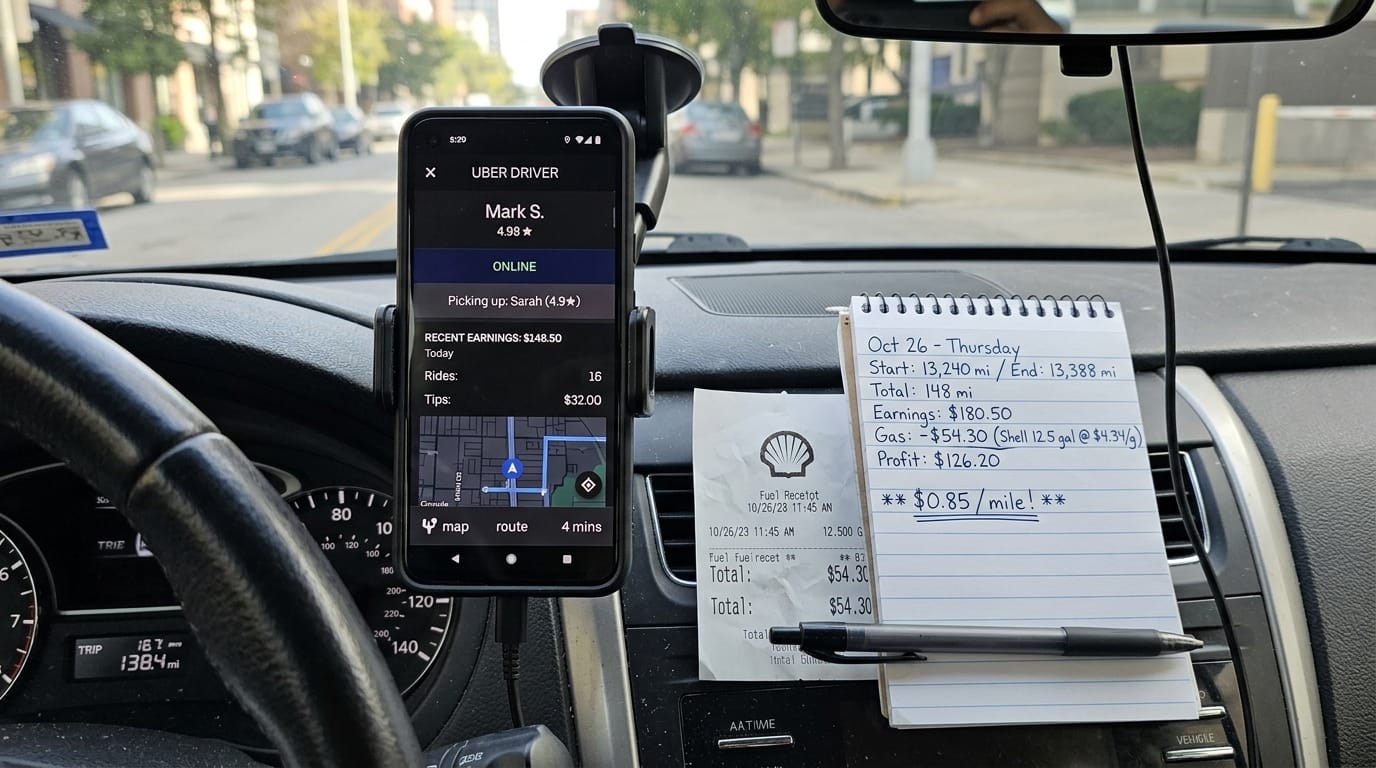
Gross earnings are the number the app makes easy to see. Real profit is what remains after the cost of doing the work. A driver who earns $250 in a day may feel good at first. After fuel, mileage, maintenance, insurance, cleaning, tolls, and taxes, the true profit may look much smaller.
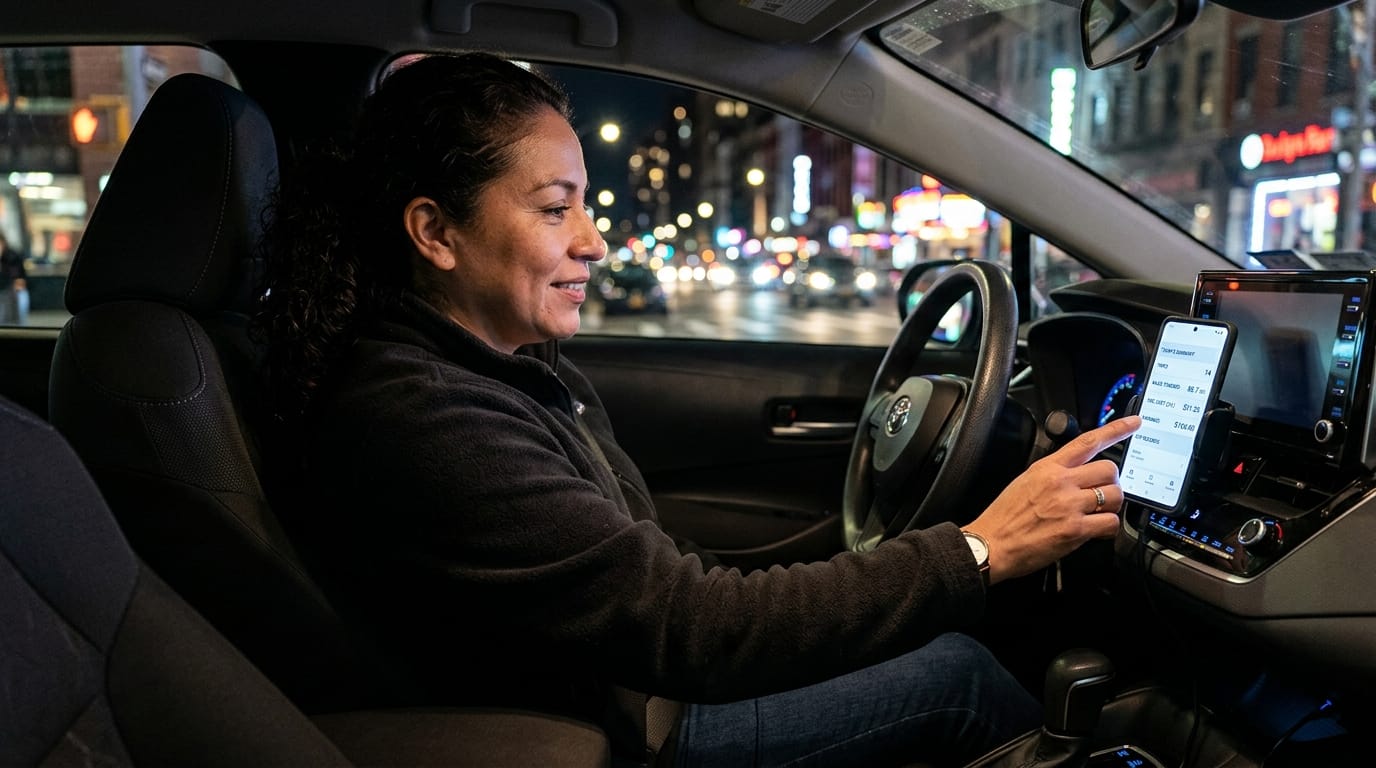
This is why tracking matters. Drivers should not judge a shift only by total app earnings. A better question is: how much did I keep per hour and per mile? That question turns rideshare work from guessing into business management.
Track profit per mile, not only dollars per hour
Dollars per hour matters, but it is not enough. A driver can earn a decent hourly number while putting too many miles on the car. High mileage can quietly reduce profit through fuel use, tire wear, brakes, oil changes, depreciation, and future repairs.
Profit per mile gives drivers a cleaner view. Track total earnings, total miles, fuel cost, and hours online. Then compare shifts. If one shift earns less gross income but uses fewer miles, it may create better real profit.
Platform take rate debates are not going away
Many drivers want to know how much the rider paid and how much the platform kept. That topic keeps growing because drivers feel the gap between rider prices and driver pay more clearly than before. Some markets and policy debates now focus on trip-level pay disclosures, platform fees, and driver share of the fare.
Lyft’s driver earnings page says the biggest part of total earnings typically comes from the fare drivers earn for each ride, and it presents trip-level earnings information for drivers. Drivers can review the current Lyft earnings guidance here: Lyft driver earnings guide.
Do not confuse rider price with driver profit
The rider’s price and the driver’s profit are not the same number. The rider price may include platform fees, insurance-related costs, taxes, tolls, marketplace adjustments, promotions, and other items. The driver receives a separate amount based on the platform’s pay model.
Still, drivers have a fair reason to care about the gap. If rider prices rise while driver pay feels flat, drivers should track their own results carefully. Screenshots, weekly summaries, and personal logs can help drivers understand whether their market is getting better or worse.
How Drivers Can Build Their Own Pay Transparency System
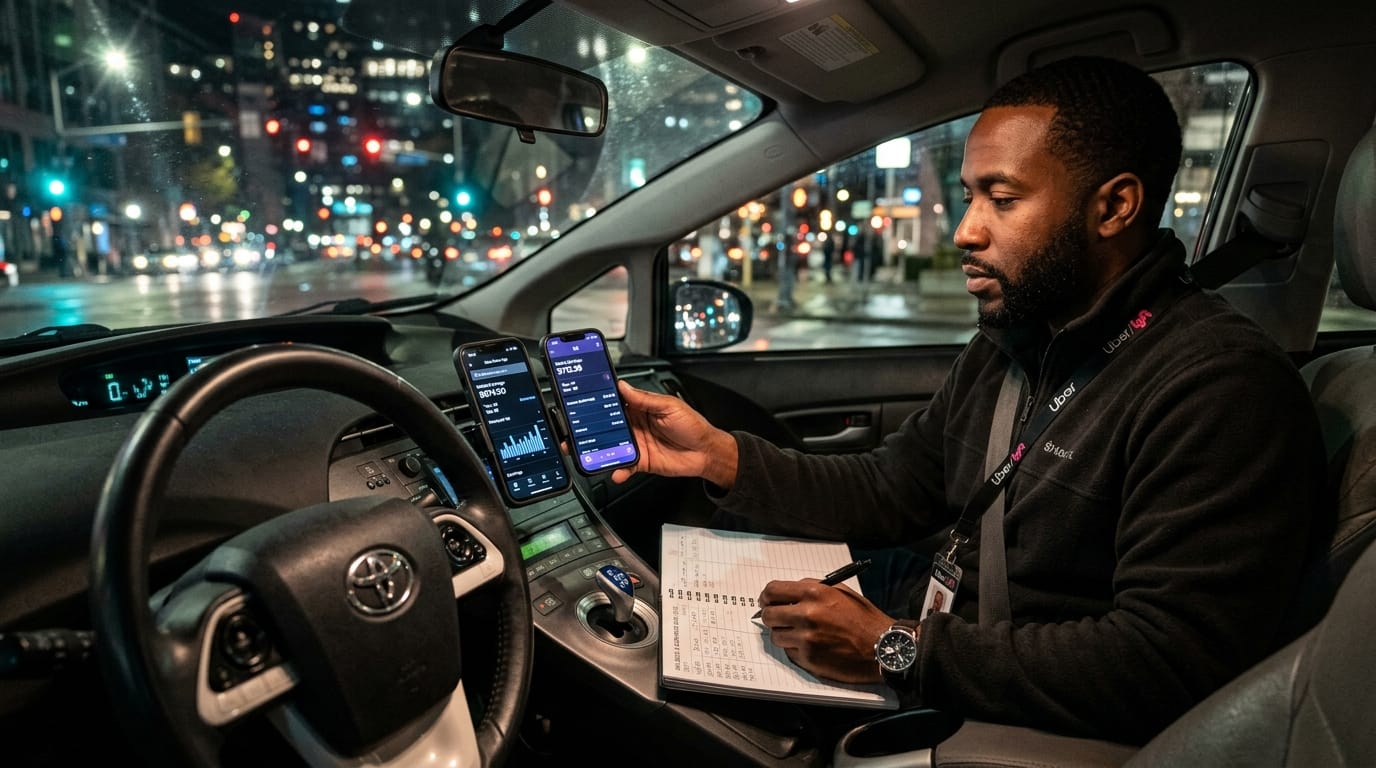
A good rideshare pay transparency system does not need to be complicated. Drivers can use a spreadsheet, notebook, mileage app, or simple weekly checklist. The goal is to measure the same numbers consistently so patterns become obvious.
Start with four core numbers: total app earnings, total hours online, total miles driven, and total fuel cost. Then add tips, bonuses, tolls, parking, cleaning costs, maintenance, and insurance-related expenses. Over time, this gives drivers a clearer view of which shifts, zones, and trip types actually make sense.
What to record after each shift
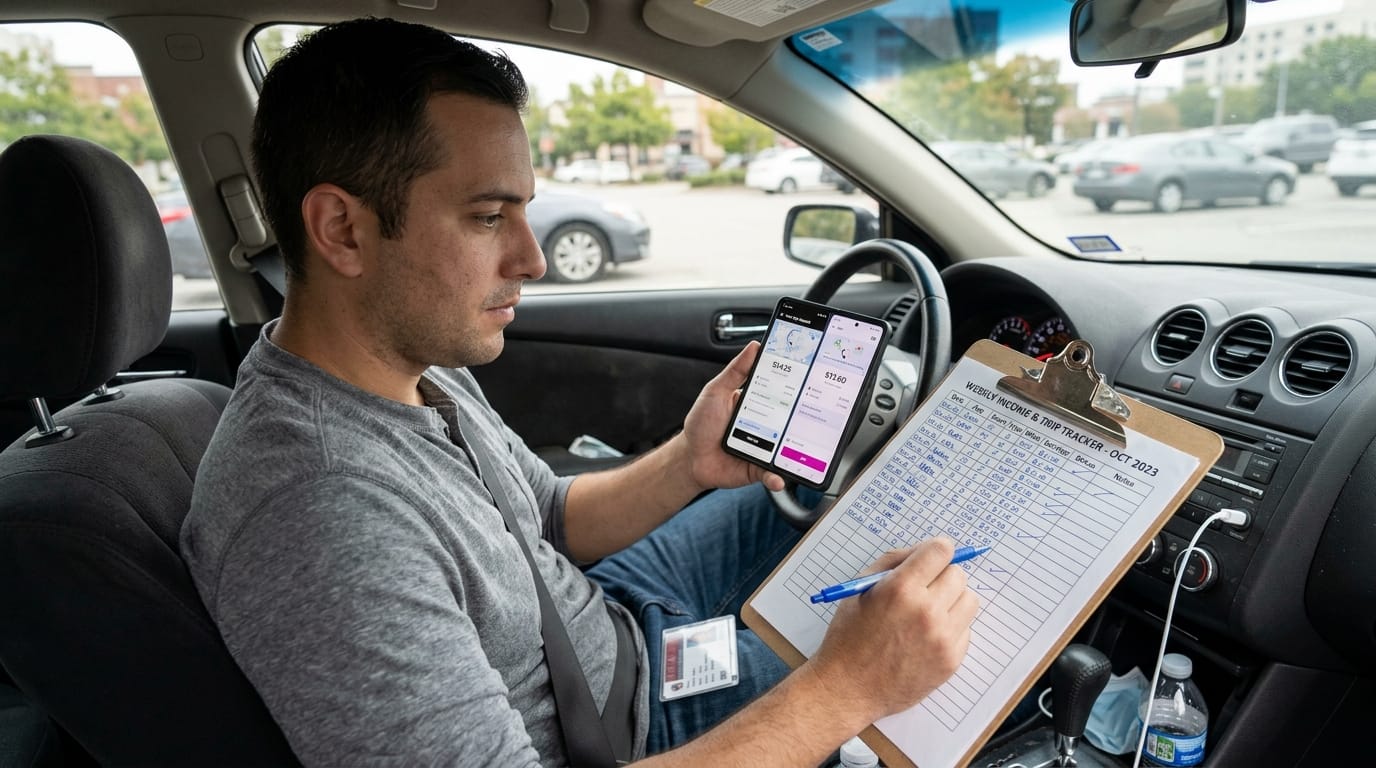
After each shift, write down the date, app used, hours online, active hours, total trips, gross earnings, tips, bonuses, total miles, and fuel cost. Add notes about traffic, events, airport waits, bad pickups, dead zones, and strong areas. These notes can reveal patterns that the app does not explain.
Drivers should also save weekly summaries and important screenshots. If a platform changes pay, bonuses, or trip display details, old records help drivers compare before and after. This matters because memory is weak. Numbers are better.
Separate paid miles from unpaid miles
Paid miles happen during the trip. Unpaid miles include driving to pickups, repositioning, returning from dead zones, circling busy areas, and driving home after a shift. Too many unpaid miles can destroy profit even when gross earnings look decent.
Drivers should watch unpaid miles closely. If a strategy creates long pickups or long returns, the trip offer needs to pay enough to justify that hidden cost. If it does not, the driver is working for the app more than for themselves.
Use tax records to improve trip decisions
Tax tracking should not happen only during tax season. The same mileage and expense records that help at tax time can also improve daily trip decisions. If drivers know their real cost per mile, they can reject weak rides faster and choose better zones.
This connects directly with rideshare driver tax deductions in 2026. Good records can support deductions, but they also teach drivers which shifts are actually worth repeating.
How to use the numbers before accepting trips
Once drivers know their own numbers, trip selection gets sharper. A driver can set a minimum dollars-per-mile target, avoid long pickups unless the payout is strong, and stop chasing busy zones that create too many dead miles. The goal is not to reject every imperfect ride. The goal is to stop accepting rides blindly.
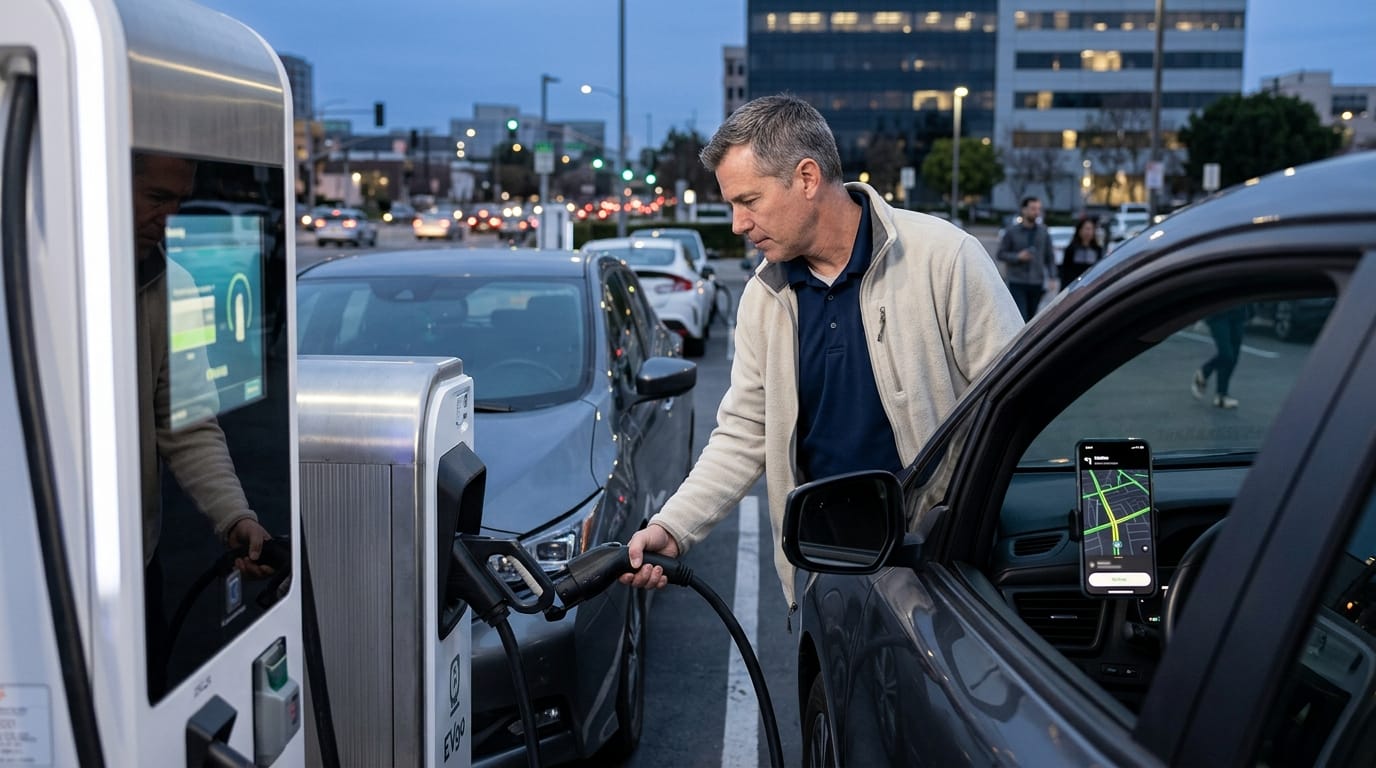
Different vehicles need different rules. A hybrid driver may handle stop-and-go traffic better. An SUV driver may need higher-paying trips to cover fuel and wear. An EV driver may spend less on fuel but must count charging time and charging location. Your numbers should match your vehicle, not someone else’s online advice.
Review pay trends weekly, not emotionally
Drivers often react emotionally after one bad ride or one bad shift. That is understandable, but it does not always lead to good decisions. Weekly review gives a better picture. Compare your best and worst shifts. Look at miles, time, earnings, tips, and where trips ended.
If airport queues keep wasting time, reduce them. If event pickups create strong pay but too much traffic, adjust your timing. If late-night driving pays better but increases safety risk, connect the earnings decision with driver safety. A good strategy protects both profit and personal risk.
Rideshare pay transparency in 2026 is not only a policy issue. It is a driver survival skill. Platforms may continue changing pay models, trip displays, bonuses, and pricing. Drivers who track nothing will always be easier to confuse. Drivers who know their numbers can adapt faster.
The bottom line is direct. Stop judging rideshare work only by app earnings. Track real profit, total miles, unpaid miles, fuel, expenses, and time. Compare shifts honestly. Use the data to choose better trips, better zones, and better hours.
Rideshare driving can still work for some drivers, but only when the numbers make sense. A driver who understands pay transparency is not just driving more. They are driving smarter, protecting profit, and treating every shift like a business decision.