




Rideshare driver tax deductions in 2026 matter more than most drivers think because your profit is not the same as your payout. A lot of drivers open their app, see gross earnings, and treat that number like it is the real story. It is not. The real story is what you keep after platform fees, fuel, maintenance, insurance, depreciation, self-employment tax, and all the small business costs that quietly eat away at your money. If you drive for Uber, Lyft, or multiple gig platforms, tax season is not just paperwork. It is one of the biggest factors that determines whether this work is actually worth doing.
The good news is that rideshare driving is a business activity, and legitimate business expenses can reduce your taxable income when you keep proper records. The bad news is that too many drivers either track almost nothing or track everything badly. That creates a mess later. Some drivers lose deductions they should have claimed. Others mix up personal and business use and end up with weak records if the IRS ever asks questions. A cleaner system fixes both problems.
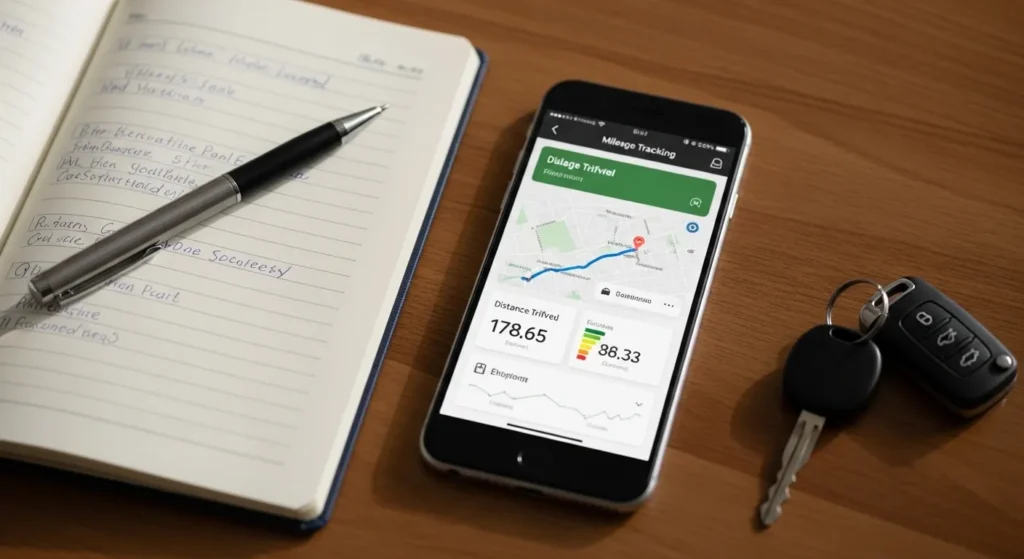
In 2026, one of the most important numbers rideshare drivers need to understand is the standard mileage rate. Many drivers use the mileage method because it is simple and often powerful when they have driven a lot of business miles during the year. But that method only works well when the recordkeeping is real. Guessing your mileage in April of the next year is not a system. It is a gamble.
How rideshare driver tax deductions work in 2026
When you drive for rideshare apps as an independent contractor, you are generally running a small business. That means the income is taxable, but it also means qualifying business expenses may be deductible. The most common place drivers start is with vehicle costs, because the car is the center of the job. From there, the next questions are usually about phone bills, cleaning supplies, tolls, car washes, snacks or water for passengers, and whether quarterly tax payments are required.
Why the mileage deduction gets most of the attention
The mileage deduction gets attention because it is usually the easiest way for a driver to calculate vehicle-related write-offs. Instead of adding up gas, oil changes, tires, repairs, insurance, registration, depreciation, and other vehicle costs individually, many drivers choose the standard mileage method. This method applies a set IRS rate to your business miles. For drivers with decent mileage logs, it is often cleaner and easier than the actual-expense method.
What the 2026 mileage rate means in practice
For 2026, the IRS business mileage rate is 72.5 cents per mile. That number is not random. It is meant to reflect the average cost of operating a vehicle for business use, including items such as gas, maintenance, and depreciation. So if a rideshare driver logged 20,000 eligible business miles during the year, the mileage deduction could be significant. That can materially reduce taxable profit and help offset the reality that rideshare driving involves constant wear and tear on a car.
Why online miles are not always enough by themselves
This is where drivers get sloppy. Many assume the miles in the app are all they need. Sometimes they are useful, but they may not capture the full picture. App-based summaries often focus on online or engaged miles, while a driver may have other deductible business miles connected to work, depending on the facts and how the driving is documented. The point is simple: do not assume the platform’s tax summary is a complete bookkeeping system for your business. It is a tool, not a replacement for your own records.
Standard mileage vs actual expenses
Drivers usually ask which method is better. The honest answer is that it depends on the numbers, the vehicle, and the records. The standard mileage method is simpler and often attractive for rideshare drivers who put a lot of miles on a relatively ordinary vehicle. The actual-expense method may produce a better result in some cases, especially when vehicle costs are unusually high, but it also requires more detailed tracking and more discipline. A driver who cannot keep good records usually makes both methods weaker.
The bigger mistake is not choosing one method over the other. The bigger mistake is failing to track anything until tax season, then trying to rebuild a business from memory. That is how people miss deductions, overstate some expenses, understate others, and end up stressed when the filing deadline gets close.
What rideshare drivers can usually deduct besides mileage
The car is the biggest deduction category for most drivers, but it is not the only one. Rideshare driving also involves other ordinary and necessary expenses tied to running the business. The key idea is that the expense has to be connected to the work and properly documented. Just because you spent money while being a driver does not automatically make it deductible. You still need a business purpose and a paper trail.
Common non-vehicle deductions drivers overlook
Many drivers focus so hard on the mileage deduction that they ignore smaller but still valid business costs. Over the course of a year, those smaller items add up. A phone mount may seem minor. Extra charging cables may seem minor. Car cleaning supplies may seem minor. But a business is built on the total picture, not just one line item.
Phone, accessories, and supplies
Your phone is essential to rideshare work, which means at least part of that cost may be business-related depending on how you use it and how you keep records. The same goes for practical driver accessories like a phone mount, charging cables, dashboard camera, trunk organizer, seat protectors, or basic cleaning items if they are used for the business. The point is not to get reckless and write off your whole personal life. The point is to separate legitimate work tools from everything else.
Tolls, parking, and passenger-related items
Tolls and parking tied to business driving may also matter. Some drivers also incur expenses for car washes, vacuums, floor mats, and items meant to maintain a clean passenger-ready environment. In some cases, basic amenities for riders may also come up, though drivers should be careful not to get cute and overreach. A deduction is strongest when the business purpose is obvious and the record is clean.
Recordkeeping is where the real win happens
A lot of drivers think tax savings come from knowing clever write-offs. That is not the real edge. The real edge is recordkeeping. Clean mileage logs, categorized receipts, saved tax summaries, bank statements, toll records, and a basic monthly review will beat “I heard on social media that this is deductible” every single time. Drivers who keep their records current are usually calmer, more accurate, and harder to trip up at filing time.
A simple system is enough. Use one mileage tracker or logbook consistently. Save digital receipts in one folder. Keep a separate card or bank account for business spending if possible. Review the numbers monthly. That is not glamorous, but it works.
Quarterly taxes, self-employment tax, and the mistakes that hurt drivers

Tax deductions reduce taxable income, but they do not erase the need to plan for taxes. That is where many rideshare drivers get hit. They assume that because no tax is withheld from their app payouts, they can just sort it all out later. Then later arrives and the bill is bigger than expected. That is because rideshare income can trigger both income tax and self-employment tax. Waiting until the annual filing deadline to think about this is how people get blindsided.
Why estimated taxes matter for rideshare drivers
Independent contractors often need to make estimated tax payments during the year. This matters because the IRS expects taxes to be paid as income is earned, not just at the end. If a driver’s rideshare income is meaningful and nothing is being withheld elsewhere, quarterly estimated payments may help avoid a bigger year-end shock and possible underpayment penalties. Even part-time drivers should pay attention here if the gig income is not trivial.
The basic estimated tax schedule
For most individual taxpayers, estimated tax payments generally follow this rhythm: income from January through March points to an April payment date, income from April through May points to a June payment date, income from June through August points to a September payment date, and income from September through December points to a January payment date in the following year. You do not have to love the schedule. You do have to respect it.
Why many drivers underpay without realizing it
Rideshare payouts can feel smaller and more frequent than a regular paycheck, which tricks some drivers into thinking the tax problem is also small. Then they add up a full year of gross income and realize the platforms did not withhold like an employer would. That is when the stress starts. Estimated payments are not fun, but they are one of the cleanest ways to stop tax season from becoming a panic attack.
The most common tax mistakes rideshare drivers make
The first mistake is poor mileage tracking. The second is mixing personal and business spending with no system. The third is assuming app summaries tell the full financial story. The fourth is ignoring estimated taxes until the filing deadline. The fifth is confusing “money that hit my bank account” with “actual profit after business costs and taxes.” Those mistakes are common because rideshare driving feels casual from the outside. Financially, it is not casual at all.
One more mistake deserves attention: drivers sometimes focus so hard on deductions that they ignore bigger risk management issues like insurance gaps, accident exposure, and the cost of being off the road after a claim. That is why this post should internally link to your insurance article once it is live. Saving on taxes matters, but so does protecting your ability to keep earning.
Bottom line: rideshare driver tax deductions in 2026 are not about chasing loopholes. They are about running the work like a real business. Track your miles properly. Save your records. Understand the difference between gross payouts and taxable profit. Plan for quarterly taxes before the bill surprises you. The drivers who do those basic things usually keep more of what they earn and make better decisions about whether rideshare driving is actually profitable for them.