
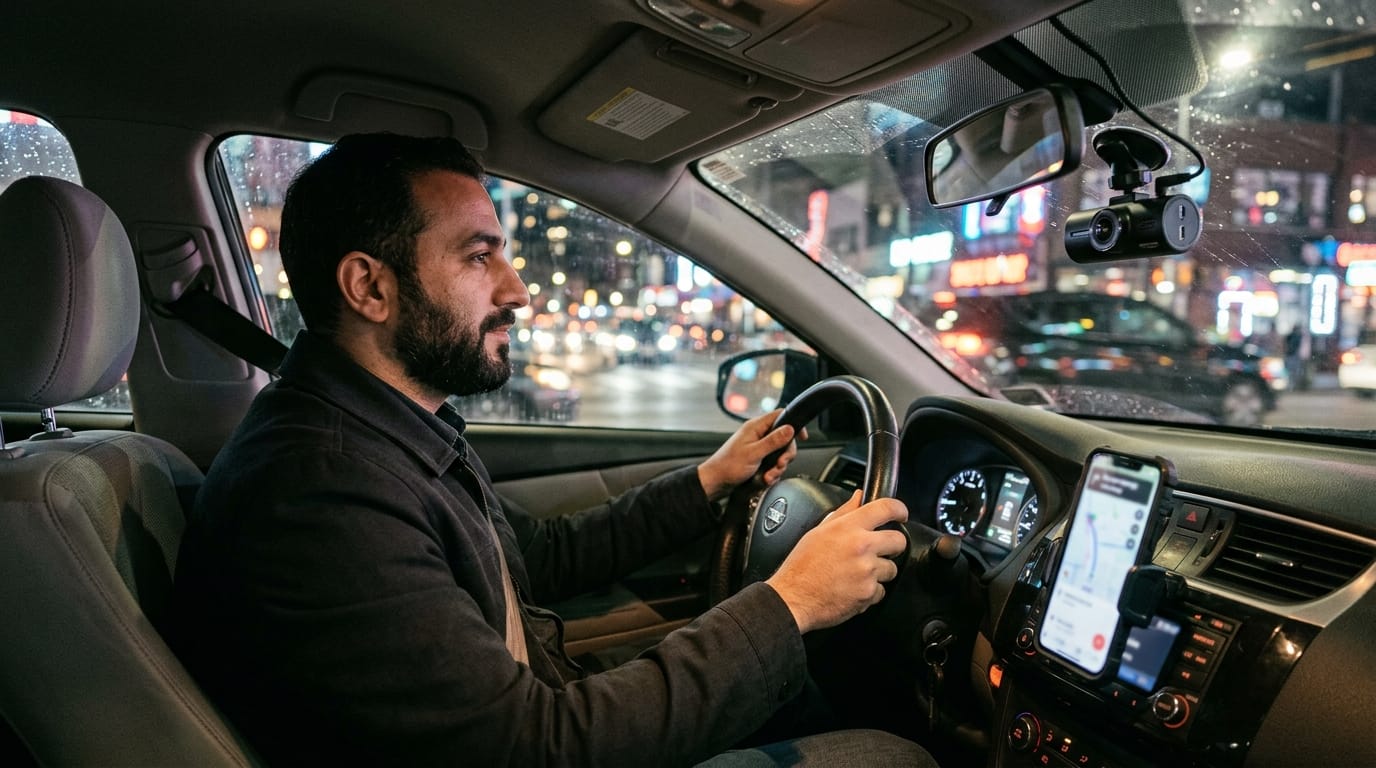
Rideshare dashcam strategy in 2026 is no longer just about recording the road. For Uber and Lyft drivers, a dashcam can help with passenger complaints, safety incidents, deactivation appeals, insurance claims, route disputes, property damage, and false reports. A driver who works without evidence may be left with only their word against a rider’s story.
Rideshare driving puts strangers in your personal vehicle. Most trips are normal, but one bad ride can create a serious problem. A passenger may claim unsafe driving, rude behavior, discrimination, harassment, route manipulation, missing property, or vehicle damage. Without video, the platform may only see a complaint and a driver response.
This guide explains how to build a smart rideshare dashcam strategy in 2026. It covers front-facing and interior recording, passenger notice, clip storage, deactivation appeals, insurance documentation, and driver safety habits.
Why Rideshare Dashcam Strategy in 2026 Matters
Dashcams matter because rideshare disputes often happen inside a fast-moving platform system. A driver may receive a warning, temporary hold, or deactivation notice before they fully understand what was reported. In that moment, organized evidence can make the response stronger.
Uber says drivers can register a dashcam in the Driver app and may share video footage after a safety incident. Uber also says drivers can submit footage when challenging relevant rider allegations. For background, drivers can review Uber’s official page on registering a dashcam.
Still, a dashcam should not be treated like a magic shield. It works best when the driver also uses safe trip selection, clear communication, clean records, and strong platform habits.
Dashcams protect against passenger disputes and road incidents
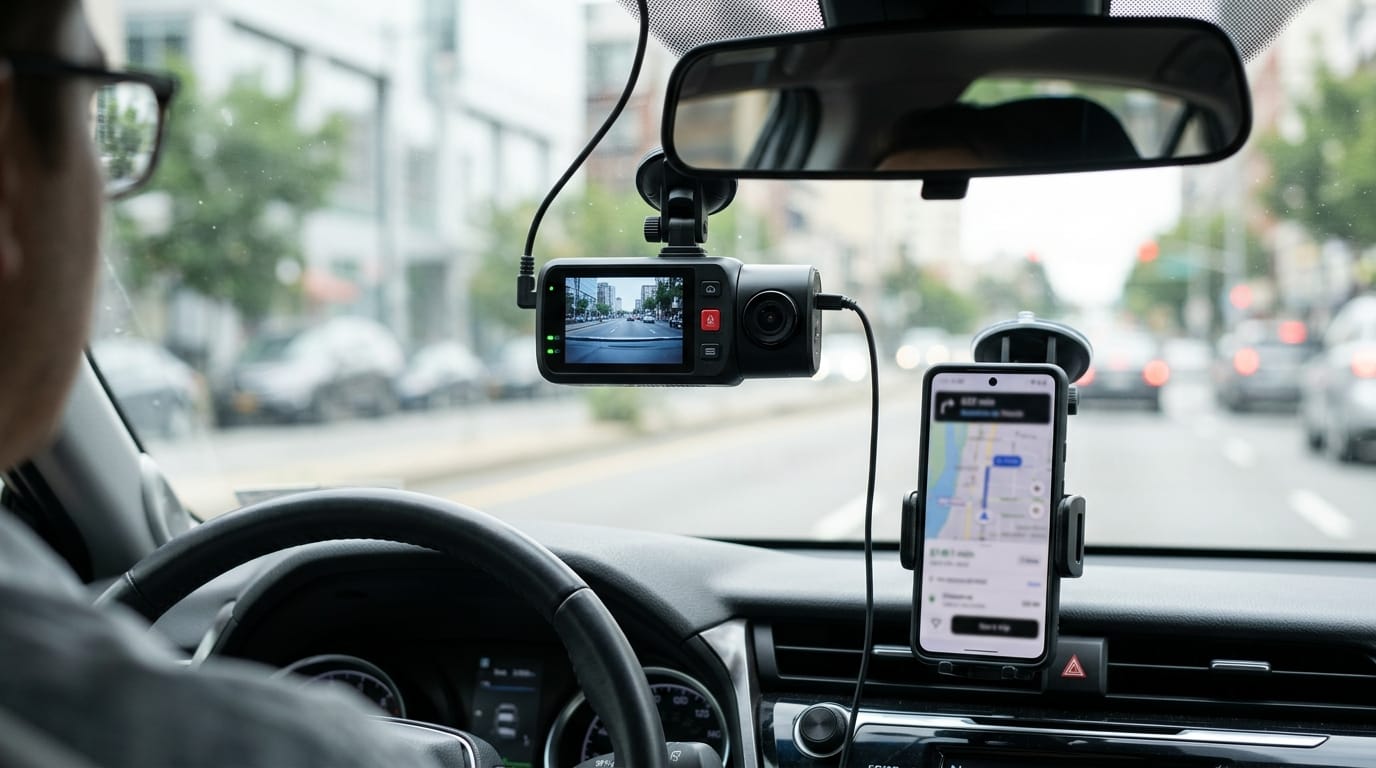
A rideshare dashcam can record more than one type of problem. The front camera may show another driver cutting across lanes, a pedestrian stepping into traffic, a road hazard, or a crash sequence. The interior camera may show passenger behavior, seat location, conflict, property damage, or what actually happened during a complaint.
That matters because many disputes come down to timing and context. A passenger may say the driver yelled first. A driver may say the rider became aggressive. A front camera alone may not capture that. An interior camera may show the behavior more clearly.
This topic connects directly with your guide on rideshare driver deactivation appeals in 2026. A deactivation appeal works better when the driver can provide a calm timeline and supporting evidence.
Interior and front-facing views serve different purposes
A front-facing camera mainly protects against road incidents. It can show traffic signals, lane position, brake timing, outside vehicle movement, and crash impact. This helps when the problem involves a collision, traffic ticket dispute, unsafe driver, or insurance claim.
An interior-facing camera protects against cabin disputes. It may show whether a passenger wore a seat belt, damaged the vehicle, brought an open container, became aggressive, left property behind, or made a false complaint. For rideshare drivers, both views can matter.
Registration, notice, and local laws matter
Dashcam rules can depend on local recording and consent laws. Some places treat video and audio differently. Because of that, drivers should check local rules before recording inside the vehicle, especially if audio is enabled.
Passenger notice also matters. A visible sign, app registration, or platform notice can reduce arguments before the ride starts. It may also encourage better behavior. However, drivers should avoid uploading, posting, or sharing passenger footage publicly unless a law, platform process, or official claim requires it.
Video can support deactivation appeals
Deactivation risk is one of the biggest reasons drivers use dashcams. A single serious complaint can threaten income. Even a temporary hold can hurt if the driver depends on the app for weekly cash flow.
Video may help show that a claim was exaggerated, misunderstood, or false. It can also show whether the driver followed the route, communicated calmly, ended the trip safely, or handled a difficult rider without escalating the situation.
Dashcam evidence becomes even stronger when it matches other records. Save trip screenshots, passenger messages, time stamps, route details, cleaning photos, police reports, insurance documents, and platform emails. A clean evidence package is easier to review than a long emotional message.
Save clips before they overwrite
Many dashcams overwrite old footage when the memory card fills. That can create a major problem. If a complaint arrives two days later and the clip is gone, the driver loses the strongest evidence.
After any unusual ride, save the clip immediately. This includes passenger arguments, threats, intoxication, unsafe behavior, unpaid cleanup issues, road rage, crashes, near misses, property damage, or any moment that feels like it may lead to a report.
How to Use Dashcam Footage Wisely Without Creating New Problems
A good dashcam strategy is not only about buying a camera. It is about using footage responsibly. Drivers should protect privacy, store clips securely, and submit only relevant evidence when needed.
Do not post passenger clips on social media for entertainment. Dont use footage to shame riders. Do not send unnecessary recordings to strangers. A clip that helps an appeal can also create privacy or platform trouble if handled recklessly.
The better approach is simple. Record for safety. Save only what matters. Use footage for official disputes, insurance claims, police reports, or platform appeals. Keep the rest private and secure.
Dashcam records can help with insurance and safety reports

Dashcam footage can help after a crash or safety event. It may show impact direction, traffic signals, road conditions, lane position, another driver’s behavior, or passenger behavior during the ride. Insurance companies often need facts, and video can reduce guesswork.
However, rideshare insurance can be complicated. Coverage may change depending on whether the app is off, the driver is waiting for a request, the driver accepted a trip, or a passenger is in the vehicle. Your article on rideshare insurance gaps in 2026 is a strong internal link here because video evidence and coverage questions often appear together.
Drivers should also connect dashcam use with safety planning. Late-night work, bar pickups, event exits, long rides, and unfamiliar areas can bring more risk. Your guide on late-night safety tips for rideshare drivers supports this point.
A camera does not replace safe judgment
A dashcam records what happens, but it does not prevent every problem. Drivers still need to cancel unsafe pickups, avoid unnecessary conflict, keep the car clean, follow traffic laws, and trust their instincts when a ride feels wrong.
Trip selection matters too. A high-paying ride may not be worth it if the pickup area looks unsafe, the passenger changes details repeatedly, or the route creates unnecessary risk. Your article on rideshare upfront pay strategy in 2026 fits here because pay and safety should be judged together.
Dashcams also connect with driver profit. A crash, complaint, or deactivation can stop income immediately. Even when the driver eventually wins the dispute, lost time can still hurt. This is why smart drivers treat evidence as part of business protection, not just safety gear.
Drivers should also choose equipment carefully. A rideshare setup should usually include front-facing video, cabin video, night vision, reliable storage, loop recording, emergency clip lock, clear time stamps, and stable mounting. Audio can be useful, but local consent laws must be checked before using it.
Memory cards matter more than many drivers think. Cheap cards can fail under heat, vibration, and constant recording. A driver who works long shifts should use a high-endurance card and test footage regularly. A dashcam is only useful if the clip is clear and available when needed.
A simple routine can make the system easier. Before going online, check that the camera powers on and records. During unusual rides, stay calm and avoid announcing threats like “I have you on camera.” After a problem, save the clip, screenshot the trip, write a short timeline, and keep all records in one folder.
Rideshare dashcam strategy in 2026 should be practical, not dramatic. The goal is not to make riders uncomfortable. The goal is to protect everyone in the vehicle and preserve facts when something goes wrong.
For Uber and Lyft drivers, the bottom line is direct. A dashcam cannot fix every platform problem, but it can give drivers stronger evidence when safety, complaints, deactivation, or insurance issues appear. In a job where one report can threaten income, having clear footage may be the difference between guessing and proving what really happened.