


Rideshare mileage tracking in 2026 matters because Uber and Lyft drivers do not earn only from the trips they complete. They also lose money through unpaid pickup miles, dead miles, fuel, tires, brakes, oil changes, cleaning, insurance, phone use, and taxes. A driver can finish a busy day with strong gross earnings but still keep less than expected after expenses.
The app may show income clearly, but it does not always show the full cost of doing the work. That is where mileage tracking becomes powerful. It helps drivers understand real profit, prepare tax records, compare shifts, and decide whether certain trips are worth accepting.
In 2026, drivers need a better system than guessing. Rideshare mileage tracking in 2026 should connect tax records, vehicle wear, fuel costs, app strategy, and weekly profit review. This guide explains how to track smarter and use mileage data to make better driving decisions.
Why Rideshare Mileage Tracking in 2026 Matters More Than Ever
Mileage is one of the biggest numbers in rideshare driving. It affects taxes, fuel, maintenance, depreciation, insurance risk, and vehicle replacement timing. However, many drivers only think about mileage at tax time. That is too late.
The IRS set the 2026 standard mileage rate for business use at 72.5 cents per mile. Drivers should review the official IRS 2026 standard mileage rate announcement for current guidance. This rate matters because many self-employed drivers use mileage records to support vehicle-related deductions.
Still, tax deductions are only one part of the story. Mileage also shows whether a driver is working efficiently. If two drivers earn the same gross pay, the driver with fewer unpaid miles may keep more money.
Gross earnings do not show real profit
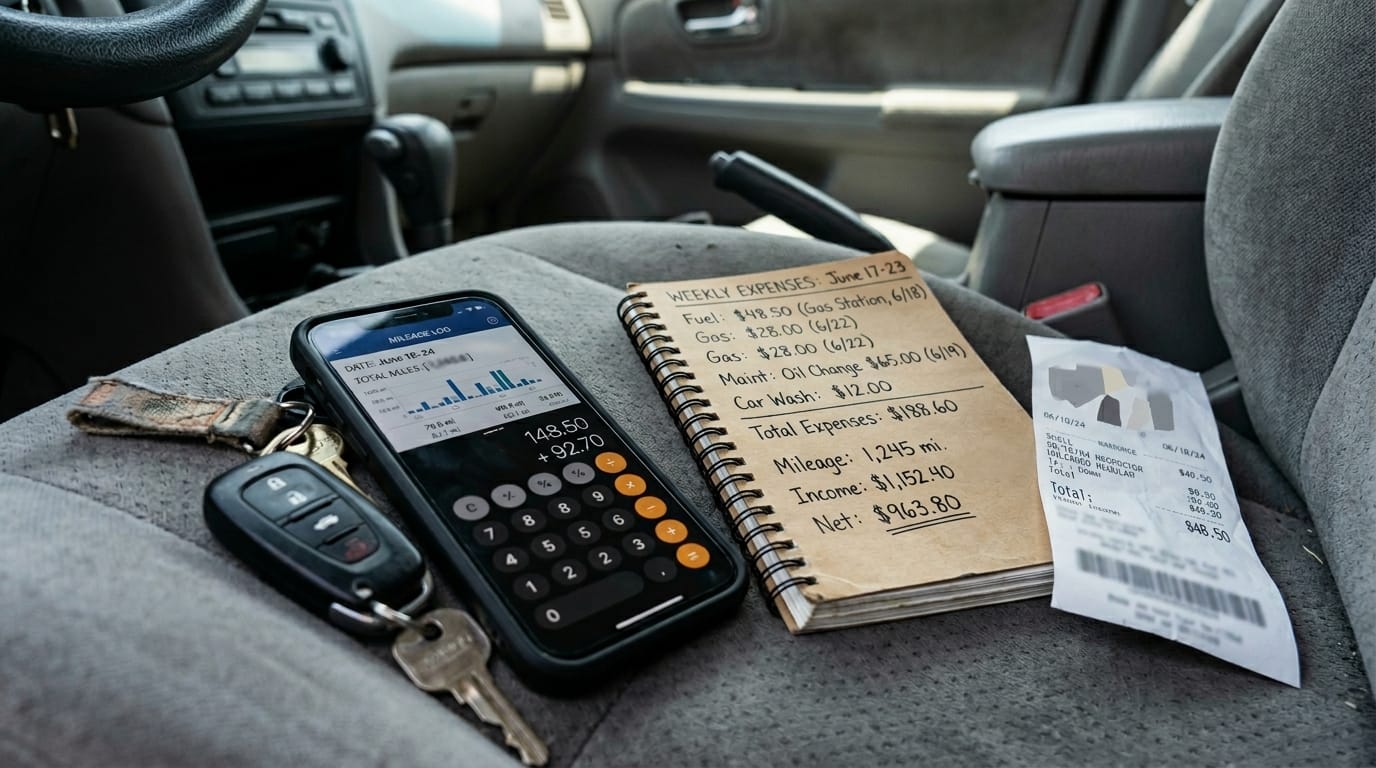
Gross earnings are easy to see inside the app. Real profit takes more work. A driver needs to subtract fuel, vehicle wear, cleaning, tolls, phone costs, insurance, taxes, and unpaid miles. Without that calculation, a busy shift can look better than it really is.
For example, a $200 day may feel strong. However, if the driver used many unpaid miles, drove through heavy traffic, paid for fuel, and added wear to the car, the real result may be much lower. Mileage tracking gives that day context.
This connects directly with the Rideshare Drivers Club guide on rideshare pay transparency in 2026. Drivers need to know what they actually keep, not only what the app displays.
Dead miles quietly reduce earnings
Dead miles are miles driven without a paying passenger or active paid delivery. They may include driving to a pickup, returning from a weak drop-off zone, repositioning to a better market, or circling while waiting for requests.
Some dead miles are normal. The problem starts when they become routine. A driver who accepts long pickups, bad drop-offs, and weak repositioning trips may burn time and fuel without noticing the damage.
Pickup distance should affect trip decisions
A trip can look profitable until the pickup distance is included. A short ride with a long pickup may not make sense unless it leads to a strong area, a bonus, or a strategic destination.
Before accepting, drivers should ask a simple question: how many total miles will this trip require? That means pickup miles, paid miles, and likely exit miles after drop-off. This habit supports better upfront-pay decisions.
The 2026 IRS mileage rate should not replace real tracking
The standard mileage rate is useful, but it does not remove the need for records. Drivers still need accurate logs that show business purpose, dates, mileage, and driving activity. A rough guess at the end of the year is risky.
Good records also help drivers compare the standard mileage method with actual vehicle expenses. Some drivers may benefit from tracking fuel, repairs, maintenance, insurance, registration, depreciation, lease costs, and other vehicle expenses. Others may prefer the standard mileage method.
Rideshare Drivers Club already covers related tax ideas in best tax write-offs for rideshare drivers in 2026. This mileage article should support that post by focusing on daily tracking habits.
Weekly review beats yearly panic
Waiting until tax season creates stress. A weekly review is easier. Drivers can check total miles, app miles, unpaid miles, fuel spending, tolls, cleaning costs, and net profit while the details are still fresh.
A weekly habit also helps drivers improve faster. If one shift produced too many unpaid miles, the driver can change strategy the next week instead of repeating the same mistake for months.
How Drivers Can Build a Better Mileage Tracking System

A good mileage system should be simple enough to use during real rideshare work. Drivers do not need a complicated process that slows them down. They need a routine they can follow before, during, and after each shift.
Start with three numbers: starting odometer, ending odometer, and app earnings. Then add fuel purchases, tolls, parking, cleaning, maintenance, and unusual expenses. Over time, those records reveal whether the car, market, and schedule still make sense.
Drivers can use a mileage app, spreadsheet, notebook, or expense tracker. The tool matters less than consistency. A simple system used every week beats a perfect system used only once.
Track business miles, app miles, and unpaid miles separately
Business miles are the miles connected to rideshare work. App miles may be the miles shown by Uber, Lyft, or a driver dashboard. Unpaid miles are the miles that do not directly generate fare income but still cost money.
Separating these numbers helps drivers understand the job better. If total business miles are much higher than paid trip miles, the driver may be losing too much money through repositioning or weak trip choices.
This is where the article on rideshare upfront pay strategy in 2026 fits naturally. Upfront offers only help when drivers understand the miles behind each offer.
Vehicle wear should be part of every profit review
Mileage does not only affect taxes. It also affects the car. More miles mean more tire wear, brake wear, oil changes, suspension wear, cleaning needs, and depreciation. A driver who ignores vehicle wear may think they are earning more than they are.
Each week, drivers should ask whether their car is absorbing too much cost for the income produced. If the answer is yes, they may need better trip selection, different hours, a different market, or a more efficient vehicle.
Fuel costs also deserve constant attention. Drivers who want to connect mileage tracking with fuel strategy should read rideshare pay transparency in 2026 and compare fuel, unpaid miles, and hourly results together.
Vehicle choice matters too. Some drivers may consider hybrids or EVs to reduce operating costs. That decision should come after reviewing real mileage, charging access, fuel costs, and market demand. The guide on best EV strategy for rideshare drivers in 2026 is a useful next step for drivers thinking about switching cars.
Insurance should not be ignored either. More rideshare miles may increase exposure to accidents, passenger incidents, and coverage questions. Drivers should review policy details and platform coverage carefully, especially if they drive many hours each week.
A practical mileage routine can be simple. Before going online, note the odometer. During the shift, avoid unnecessary repositioning and long unpaid pickups. After the shift, write down ending mileage, gross earnings, fuel spending, and any extra costs. At the end of the week, compare dollars earned against total miles.
This habit changes how drivers think. Instead of asking, “How much did I make today?” the better question becomes, “How much did I keep per mile and per hour?” That shift matters because rideshare driving is a business, not just an app.
Drivers should also save receipts and screenshots. Keep fuel receipts, toll records, maintenance invoices, car wash records, parking receipts, and weekly app summaries. These records support tax preparation and help drivers understand their real costs.
Rideshare mileage tracking in 2026 should also guide trip acceptance. If a driver knows their average cost per mile, weak offers become easier to reject. Long pickups, low pay, traffic-heavy rides, and dead-zone drop-offs become clearer business decisions.
The bottom line is direct. Mileage tells the truth. It shows whether a driver is protecting profit or simply staying busy. A driver who tracks miles can make smarter tax decisions, avoid weak trips, understand vehicle wear, and spot bad driving patterns earlier.
In 2026, rideshare drivers should not rely only on app totals. Track total miles, unpaid miles, fuel, maintenance, and real profit every week. The drivers who know their numbers will make better decisions than the drivers who only chase the next ping.