



Rideshare driver deactivation rights are one of the biggest issues Uber and Lyft drivers should watch in 2026. A driver can lose access to the app after a passenger complaint, safety report, background check issue, insurance question, document problem, rating concern, alleged fraud flag, or platform policy dispute. For drivers who depend on rideshare income, deactivation is not a minor inconvenience. It can stop cash flow overnight.
The conversation is changing because more cities and states are looking closely at how app-based drivers are removed from platforms. Drivers have complained for years that account holds and permanent deactivations can feel automated, unclear, and difficult to challenge. In 2026, just-cause rules, driver unions, appeal systems, and legal battles are making deactivation a trending topic across the rideshare industry.
This guide explains what rideshare drivers should understand about deactivation rights, appeal evidence, account protection, and practical records. It is not legal advice, and rules can vary by location. Still, every driver can benefit from one clear mindset: do not wait until deactivation happens to start protecting your account.
Why Rideshare Deactivation Rules Are Trending in 2026
Rideshare deactivation rules are trending because drivers, regulators, and platforms are fighting over the same question: how much process should a driver get before losing access to work? Platforms argue that they need flexibility to remove unsafe drivers quickly. Drivers argue that false complaints, unclear notices, and weak appeals can remove income without fair review.
New York City’s Local Law 52 of 2026 brought national attention to this issue because it focuses on driver retention, just-cause standards, and advance notice before certain deactivations. Uber and Lyft have challenged the law, which shows how serious the conflict has become. Drivers can read a summary of the legal fight through Reuters coverage of the Uber and Lyft lawsuit over New York City’s driver retention law.
For drivers outside New York, the issue still matters. Local laws may be different, but platform deactivation systems affect drivers everywhere. A policy debate in one major city can influence driver expectations, platform procedures, and future legislation in other markets.
Just-cause laws are changing driver expectations
Just-cause deactivation rules are important because they challenge the idea that a platform can remove a driver with little explanation. In basic terms, just cause means there should be a valid reason for removal, not a vague or unexplained decision. Some proposals also focus on advance notice, appeal rights, reinstatement, or better review procedures.
Drivers should not assume that just-cause protections apply everywhere. They should also not assume that a new law automatically prevents every account hold. Platforms may still act quickly when there are safety allegations, fraud concerns, expired documents, insurance problems, criminal background issues, or serious passenger complaints.
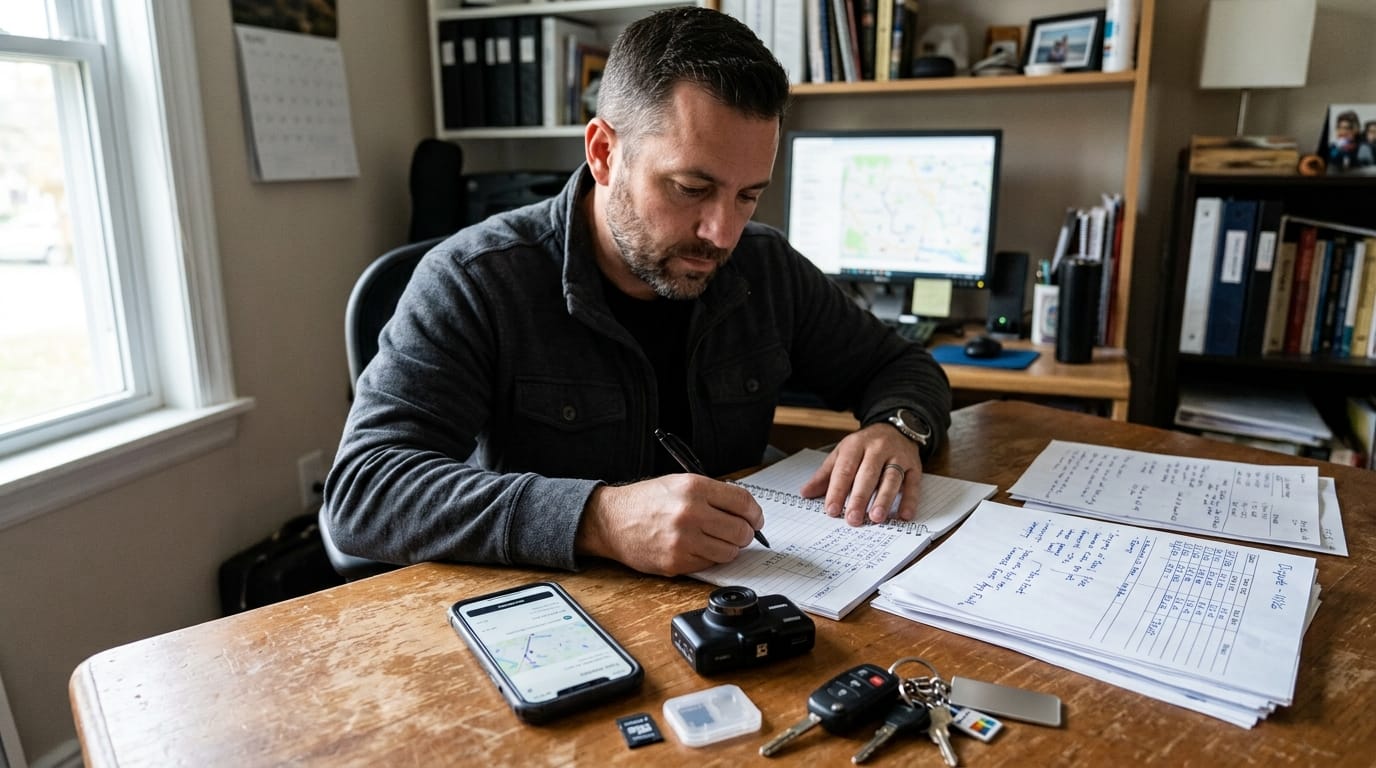
The practical lesson is simple: drivers need to understand their local rules, platform policies, and appeal options. A driver who knows nothing about the process may respond emotionally and miss important details. A driver who has records, screenshots, and a calm timeline has a better chance of presenting a useful appeal.
What 14-day notice means for drivers
Advance notice rules can matter because they give drivers time to respond before losing access. If a driver receives notice before deactivation, that window may allow them to gather evidence, correct documents, dispute false information, or request review. That is very different from waking up to a locked account with no warning.
However, drivers should treat every warning seriously. Do not ignore emails, app messages, background check notices, insurance reminders, document expiration alerts, or passenger complaint warnings. Even if the message feels unfair, save it. Screenshot it. Write down the date. A small warning today can become important evidence tomorrow.
Why local rules may not protect every driver
Rideshare rules vary by city, state, and country. A driver in New York City may have different protections than a driver in Texas, Florida, California, Massachusetts, or another market. Even within one state, local transportation rules may apply differently depending on licensing, vehicle type, airport permits, and platform category.
That is why drivers should avoid copying advice from random online comments without checking whether it applies to their market. A deactivation strategy should be based on local rules, platform terms, official notices, and documented evidence. General driver forums can be helpful, but they are not a substitute for reading the actual notice and understanding the appeal path.
False complaints and safety holds need better documentation
False complaints are one of the most stressful deactivation risks for rideshare drivers. A passenger may report unsafe driving, discrimination, harassment, rude behavior, route manipulation, missing items, damage, or another issue. Some complaints may be valid. Others may be exaggerated, misunderstood, or completely false.
The problem is that platforms often act first and investigate later. A driver may receive a temporary hold while the company reviews the report. In that moment, the driver’s response matters. A long angry message rarely helps. A clear timeline with evidence is stronger.
This connects directly with your existing guide on rideshare driver deactivation appeals in 2026. Drivers should understand how to respond when the account is already at risk. This article focuses more on preparation before the problem happens.
Dashcam and trip records can make appeals stronger
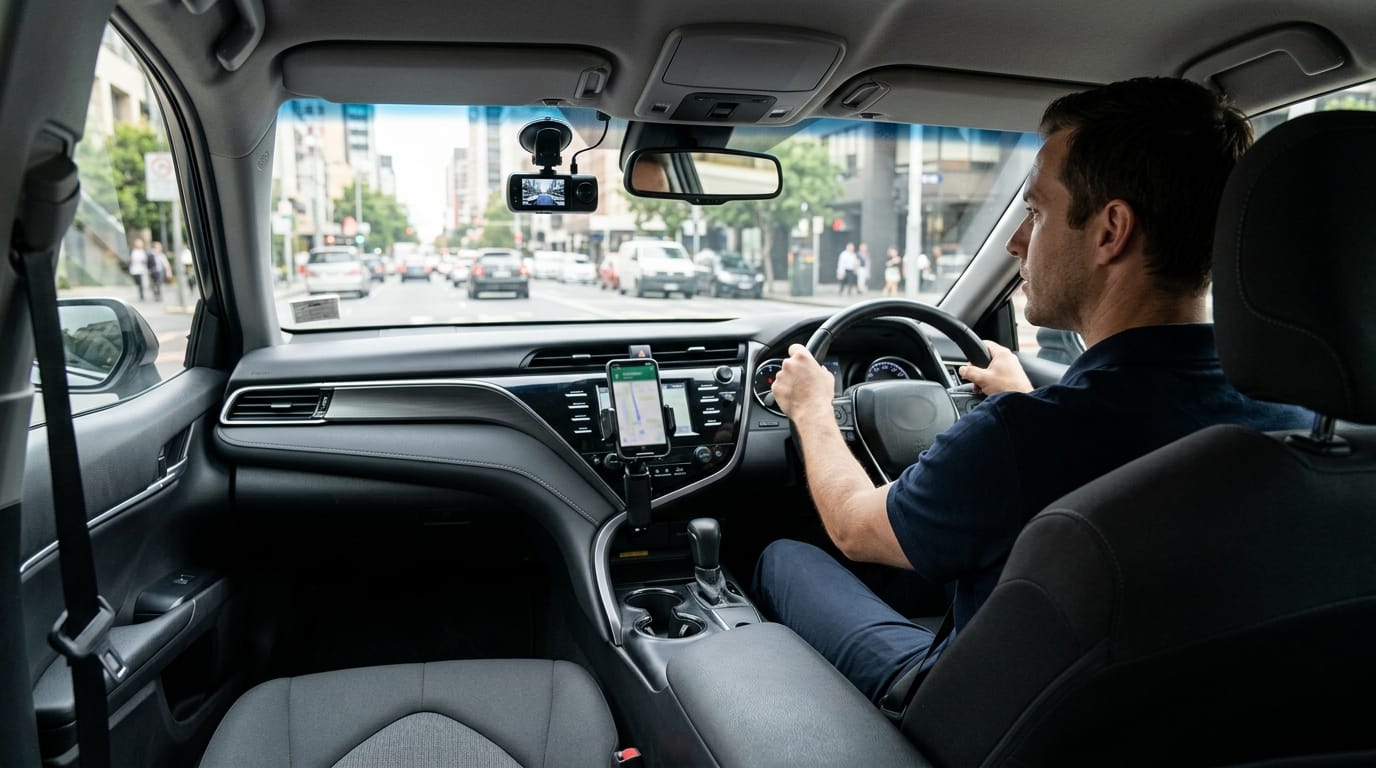
A dashcam can help when a complaint involves passenger behavior, road incidents, unsafe driving claims, property damage, or what happened inside the vehicle. It is not a magic shield, but it can give a driver something stronger than memory. The best dashcam evidence includes clear video, accurate timestamps, and saved clips before the footage overwrites.
Your guide on rideshare dashcam strategy in 2026 is a strong internal link here because it explains how drivers can use video for safety, complaints, deactivation appeals, and insurance claims. Drivers should also check local recording and consent laws, especially if audio recording is enabled.
Trip records matter too. Save screenshots of the ride, pickup location, drop-off location, rider messages, route changes, cancellation details, damage photos, cleaning receipts, police reports, and platform emails. If a passenger complaint appears later, those records can help rebuild the facts.
How Drivers Can Protect Their Account Before and After a Deactivation
The best deactivation strategy starts before anything goes wrong. Drivers should treat their account like a business asset. That means keeping documents current, tracking trips, using safe communication, avoiding policy shortcuts, and saving records after unusual rides.
Drivers should also understand how earnings, trip selection, and account risk connect. Accepting every ride is not always smart. A high-risk pickup, unsafe late-night situation, confusing stop request, or aggressive passenger can create problems that cost more than the fare is worth. Your article on rideshare upfront pay strategy in 2026 supports this point because drivers should judge trips by profit and risk, not payout alone.
Pay transparency also matters. If a driver is deactivated, accurate income records can help show financial impact. Your guide on rideshare pay transparency in 2026 explains why drivers should track real earnings, not only app totals.
Build a practical deactivation protection system
A practical system does not need to be complicated. Drivers can create a simple folder on their phone or cloud storage for important records. Save insurance documents, registration, inspection records, app notices, background check updates, dashcam clips, weekly earnings summaries, and unusual trip notes.
Drivers should also keep mileage and expense records. If an account problem interrupts work, organized records can help the driver understand lost income and business impact. The site’s rideshare mileage tracking in 2026 guide is useful because good mileage records support both tax planning and real profit analysis.
Insurance records are another major issue. If a crash, claim, or coverage dispute leads to account review, drivers need to know what policy applies. Your guide on rideshare insurance gaps in 2026 is a strong internal link because app status, coverage periods, and documents can all affect account and claim outcomes.
Keep your tone calm, factual, and organized
If a driver receives a deactivation notice or account hold, the first response should be calm. Read the notice carefully. Identify the exact reason given. Do not guess. Do not insult support. Do not send five emotional messages in a row. Instead, write a short timeline and attach relevant evidence.
A strong appeal usually answers four questions: what happened, when it happened, what evidence supports the driver’s version, and what action the driver is requesting. For example, a driver may request review, reinstatement, correction of a false report, or clarification of missing documents.
Drivers should keep every response professional. Even if the complaint is unfair, the appeal should sound organized. A platform reviewer is more likely to understand a clean timeline than a long rant. The goal is not to vent. The goal is to get the account reviewed properly.
Rideshare driver deactivation rights in 2026 are still developing, and drivers should not assume the rules are settled. Just-cause laws, lawsuits, unions, safety debates, and platform policy changes will continue shaping the future of app-based work. But drivers do not have to wait for perfect rules to protect themselves.
The bottom line is direct. Keep records. Use a dashcam responsibly. Save unusual trip details. Track earnings and mileage. Read every platform notice. Know your local rules. Appeal calmly. Treat the account like a business asset, because for many drivers, that is exactly what it is.