
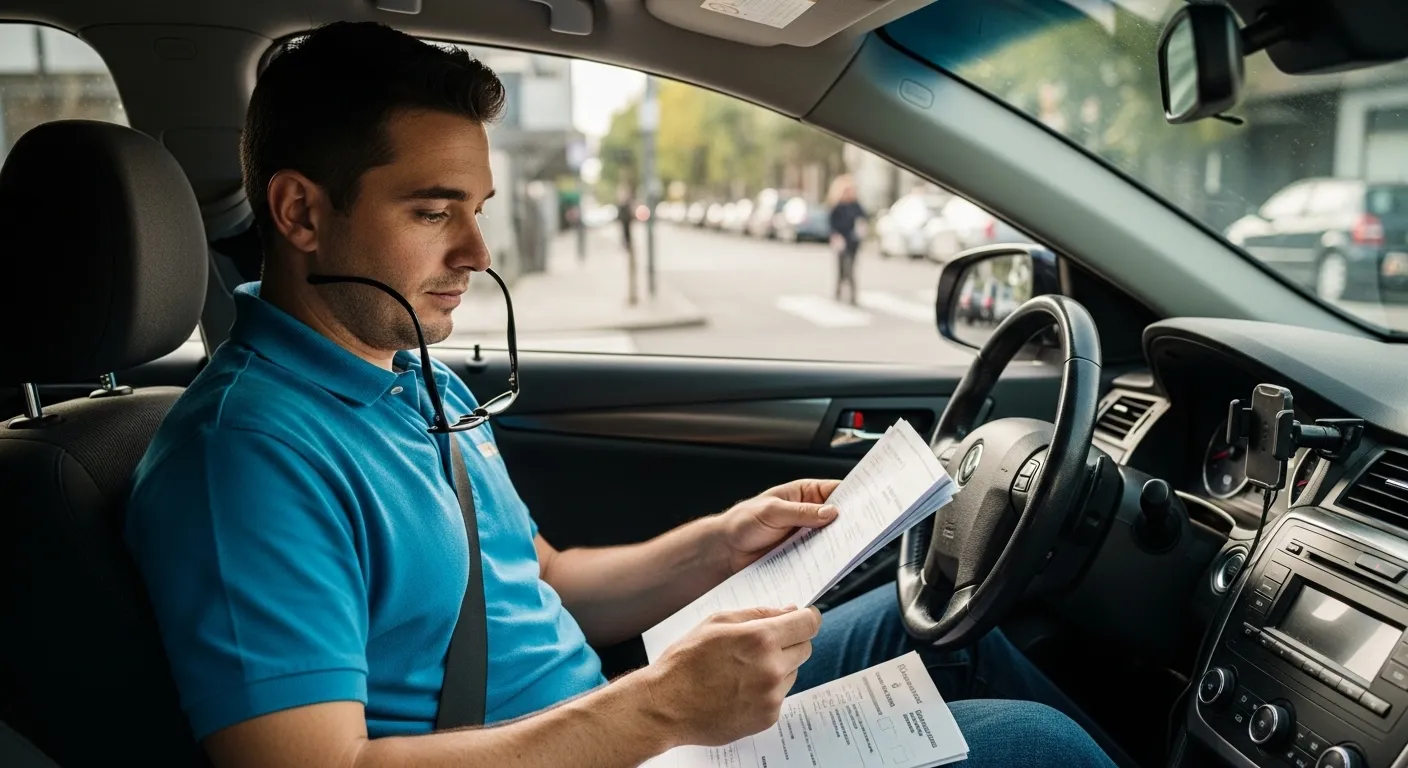
Rideshare insurance gaps in 2026 are still one of the biggest blind spots for Uber and Lyft drivers because too many people assume “the app covers me” is the whole story. It is not. Rideshare insurance depends heavily on what period you are in when the accident happens. Were you offline and using the car personally? Was the app on but you had not accepted a trip yet? Were you already on the way to a pickup? Was a passenger already in the vehicle? Those details matter because coverage can change dramatically depending on the answer.
This is where drivers get burned. They sign up, get approved, see the platform mention insurance, and mentally treat that as complete protection. Then an accident happens and they learn the hard way that third-party liability coverage is not the same thing as coverage for their own car, their deductible, or every kind of loss that follows being taken off the road. The gap is not always in whether some policy exists. The gap is often in what that policy actually covers and what it leaves behind.
In 2026, a driver who does not understand the coverage periods is basically guessing with one of the biggest financial risks in the job. That is reckless. A vehicle is not just transportation for a rideshare driver. It is the income-producing asset. If it is damaged, unavailable, or tied up in an insurance dispute, the income problem starts immediately.
How rideshare insurance actually works by driving period
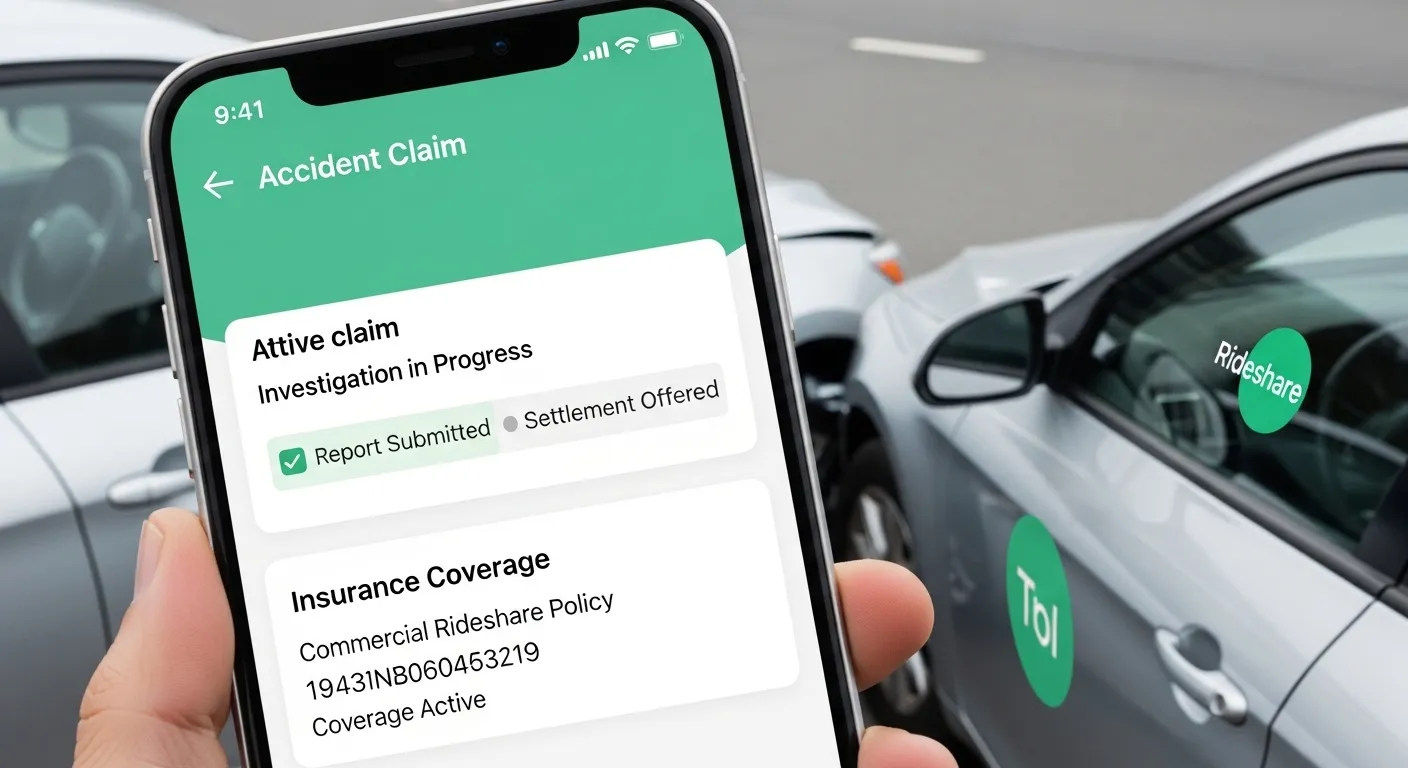
Rideshare insurance is usually explained in phases or periods because the risk changes as the driver moves from personal use to app availability to active trip status. This structure matters because personal auto insurance and platform-provided coverage do not operate the same way at all times. Drivers who do not understand the transitions are the ones most likely to think they are covered when they are not covered the way they expected.
Offline driving is usually personal driving
When you are not logged into the rideshare app and you are using the car for normal personal reasons, your personal auto policy is typically the main policy in play. That part is straightforward. The trouble starts when drivers move into app-on status and assume the personal policy still behaves the same way. Many personal policies are not designed to cover commercial ride-hailing activity in the same way they cover ordinary personal use.
Why personal insurance alone may not be enough
Insurance regulators and industry guidance have been warning about this for years, and the issue still matters. Ridesharing introduces commercial exposure that may not fit neatly inside a standard personal auto policy. That does not mean every driver is automatically uninsured the moment they open the app. It means they need to know exactly what their own policy says and whether they need a rideshare endorsement or other added protection to fill gaps.
App-off thinking creates app-on mistakes
A lot of drivers unconsciously carry their personal-driver assumptions into rideshare work. They think, “I have full coverage, so I’m fine.” That is not a professional way to look at it. What matters is not just that you have a policy. What matters is how that policy interacts with rideshare activity and what happens during each period of app use. If you have not verified that, then you do not really know your risk.
Waiting for a ride request is where confusion starts
The waiting period is one of the most misunderstood parts of rideshare coverage. This is the phase where the app is on and you are available to receive trip requests, but you have not yet accepted one. Platforms generally provide some third-party liability protection during this period, but drivers often miss two things. First, those liability limits may be much lower than the limits available once a ride has been accepted. Second, liability coverage for damage you cause to others is not the same as physical damage coverage for your own car.
This is exactly why the waiting period creates so much trouble. The driver hears “there is coverage” and stops there. But “there is coverage” is not the same as “all the losses I care about are covered.” Those are two very different questions.
Where the biggest rideshare insurance gaps happen
The biggest gaps usually appear in the areas drivers pay the least attention to before an accident. Own-vehicle damage, deductibles, denied claims tied to policy language, and the financial hit from downtime are where the pain usually shows up. That pain is real because rideshare work is not just about repairing the car. It is also about the fact that the car being unavailable can shut off earnings fast.
Physical damage to your own car is the big one
The most dangerous misunderstanding in rideshare insurance is the belief that platform coverage automatically means your own vehicle is fully protected in every rideshare phase. That is not the safe assumption. According to NAIC’s consumer guidance on commercial ridesharing, drivers may lack physical damage coverage for their own vehicle during certain periods unless they secure additional coverage or appropriate policy support. That single point is enough to justify a serious review of your insurance setup.
Liability coverage and car repair coverage are not the same thing
This sounds basic, but many drivers still blur the two together. Liability coverage is about injuries or damage you cause to other people or their property. Physical damage coverage is about your own vehicle. If your car is your livelihood, you cannot afford to confuse those two buckets. A policy can be strong in one area and weak in the other. That is how a driver ends up saying, “I thought I was covered,” while still facing a painful repair bill or deductible problem.
Deductibles and downtime still hurt even when a claim exists
Another problem is that coverage does not make an accident painless. Even when the platform’s policy applies, a driver may still face a high deductible or delays that keep the car off the road. And once the car is parked, the income issue starts immediately. That is why insurance should not be understood only as a yes-or-no question. The more useful question is this: if I have a claim tomorrow, how much of the financial pain am I still carrying myself?
Accepted trips and active rides have stronger protection, but not zero risk
Once a trip is accepted or a passenger is in the car, platform coverage is generally stronger. That is the phase drivers usually hear about because it sounds reassuring. But stronger does not mean perfect. Claims can still involve investigation, app-status disputes, personal policy questions, deductibles, and delays. It is still possible for a driver to discover that the part of the loss they care about most is the part that is least cleanly handled.
Drivers should also remember that every accident is not only an insurance problem. It is also a documentation problem. App screenshots, trip timing, police reports, photos, witness details, and fast reporting all matter. Sloppy post-accident handling can weaken even a claim that should have been manageable.
What Uber and Lyft drivers should check right now
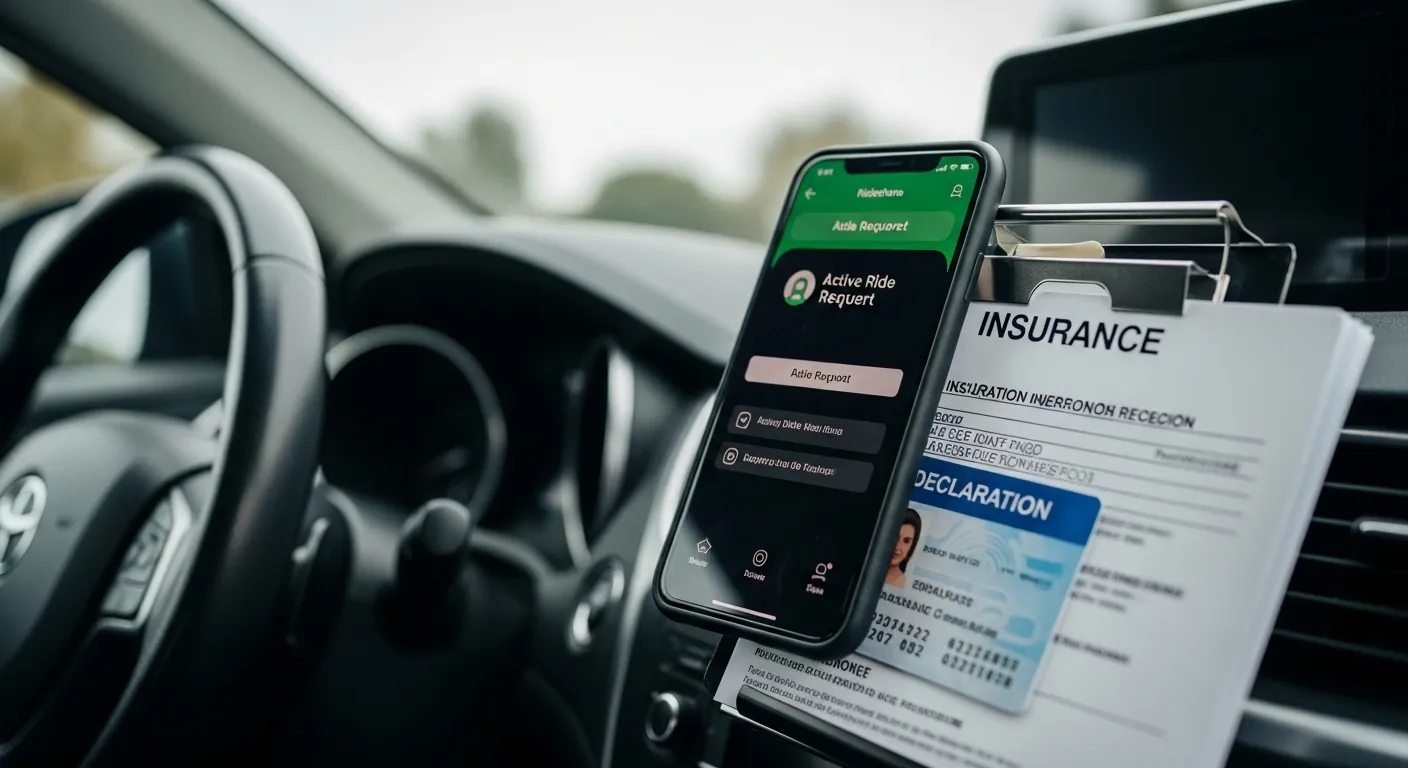
If you drive for rideshare apps and have not reviewed your own policy recently, that is the first thing to fix. The correct mindset is not to assume disaster. The correct mindset is to stop relying on vague confidence. Drivers should know whether their personal insurer allows rideshare activity, whether a rideshare endorsement is available, what physical damage terms apply, what deductible exposure exists, and what the platform says about each period of coverage.
Questions every driver should answer before the next shift
A smart driver should be able to answer a few basic questions fast. What policy covers me when I am offline? What changes when I switch the app on? Do I have a rideshare endorsement or equivalent protection on my personal policy? What happens if I am at fault while waiting for a request? What covers my own car after a collision? What deductible would I owe? If you cannot answer those, then you are not really managing risk. You are hoping.
Review the platform page and your own declarations page together
Do not review them separately and assume they somehow fit. Put them side by side. The platform page tells you what the company says it provides by period. Your own policy documents tell you what your insurer says about your coverage. Those two documents together give you the actual picture. Anything less is guesswork.
Think about your income risk, not just your repair risk
Many drivers focus only on whether the car can be repaired. That is too narrow. The car being unavailable can be an earnings problem immediately, especially for full-time drivers. So your practical insurance review should include how quickly you could get back on the road, whether you could absorb a deductible, and what your backup plan is if a claim drags out longer than expected.
Insurance and taxes should be planned together
This is where drivers should think bigger. Insurance is not isolated from the rest of the business. If your operating costs are high, your need for clean tax records gets bigger. If your accident risk is not properly managed, your income stability gets worse. That is why this post should internally link to your tax article after both are live. A rideshare driver who understands deductions but ignores insurance gaps is still running the business with one eye closed.
Bottom line: rideshare insurance gaps in 2026 are still real, and drivers who treat platform coverage like a blanket solution are setting themselves up for a nasty surprise. Learn the coverage periods. Understand the difference between liability and damage to your own car. Check whether your personal policy and rideshare activity actually fit together. The goal is not to memorize policy language for fun. The goal is to stop one accident from turning into a financial mess that could have been reduced with better preparation.