
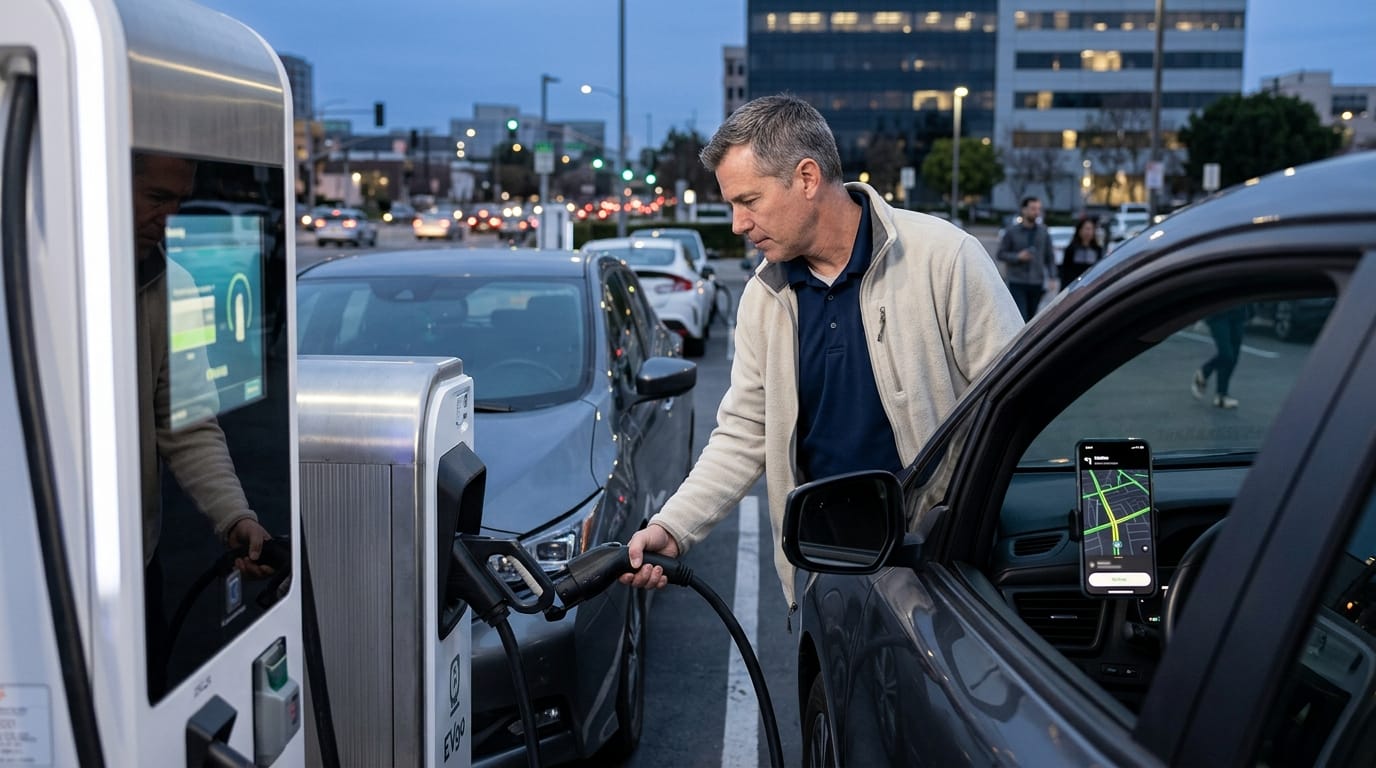
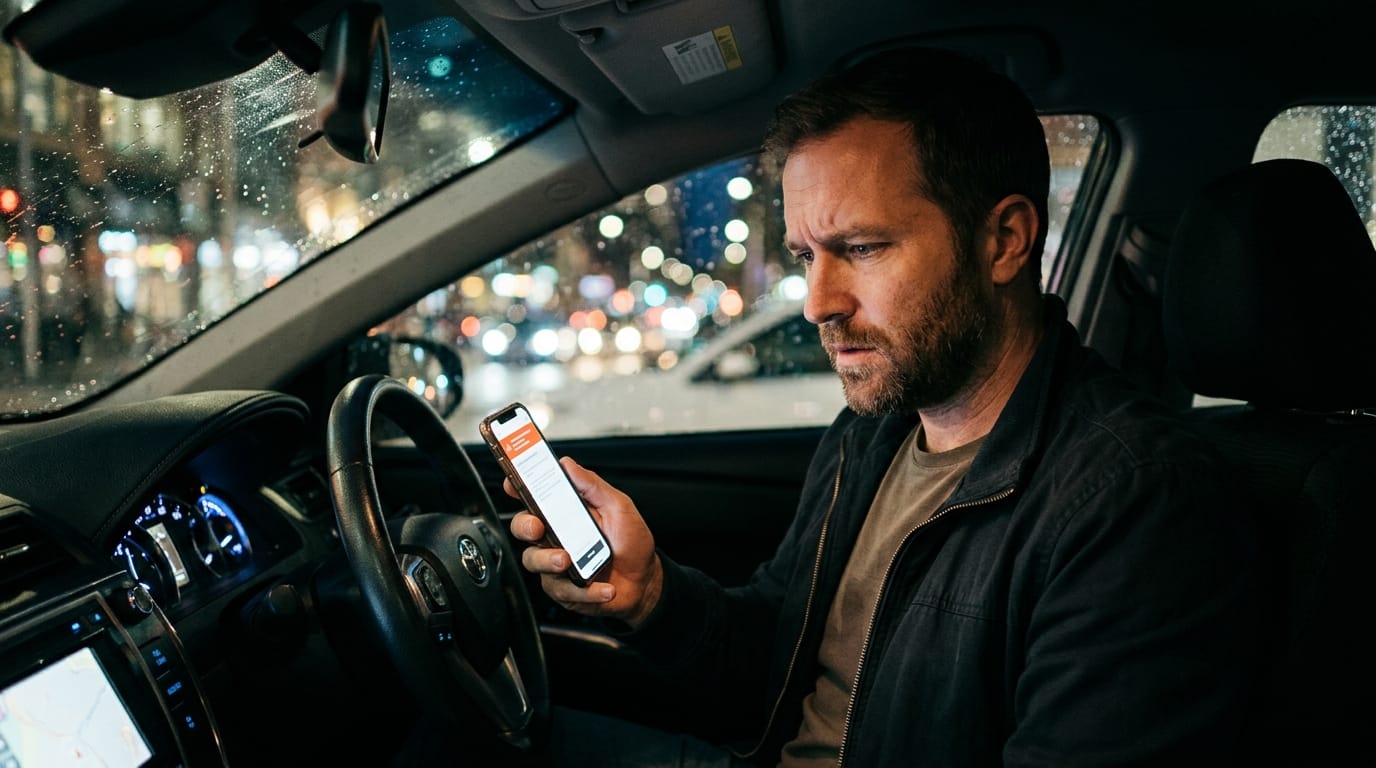
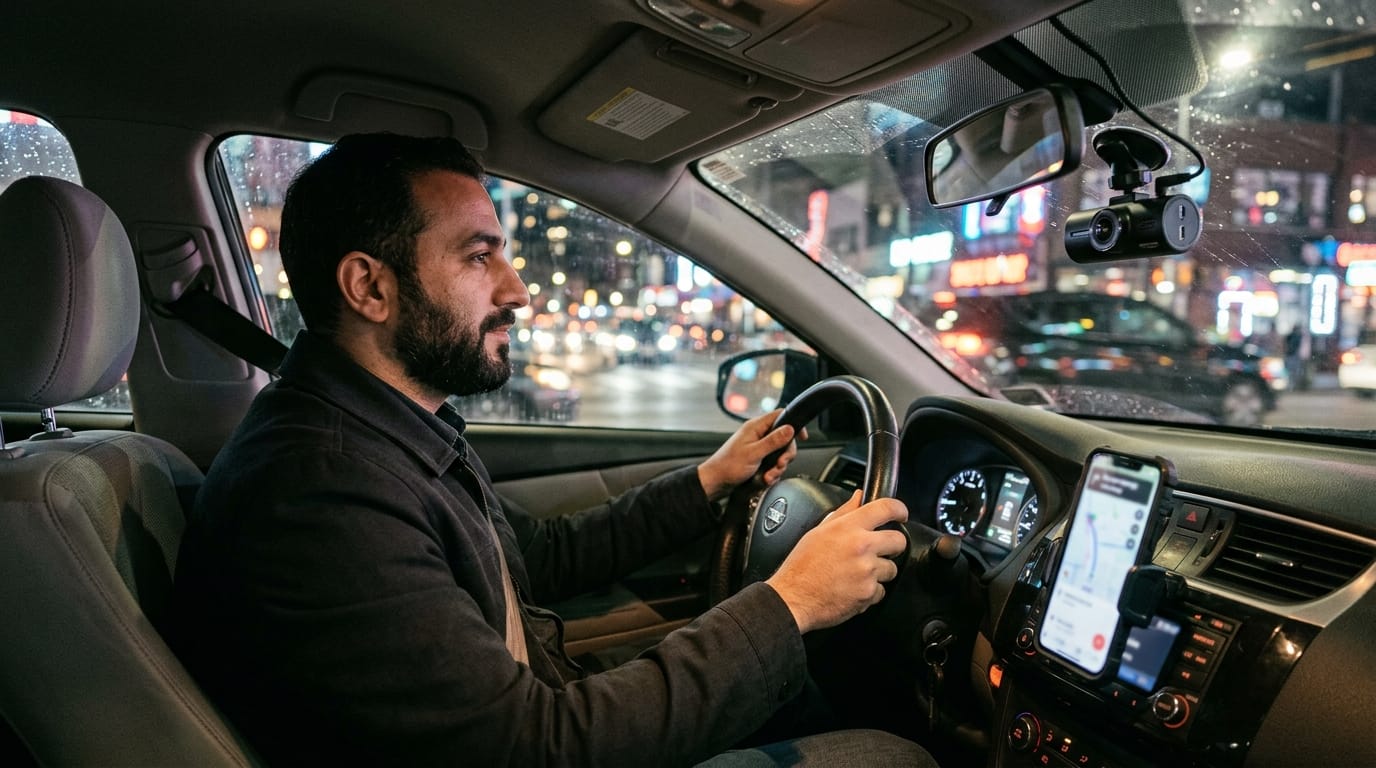
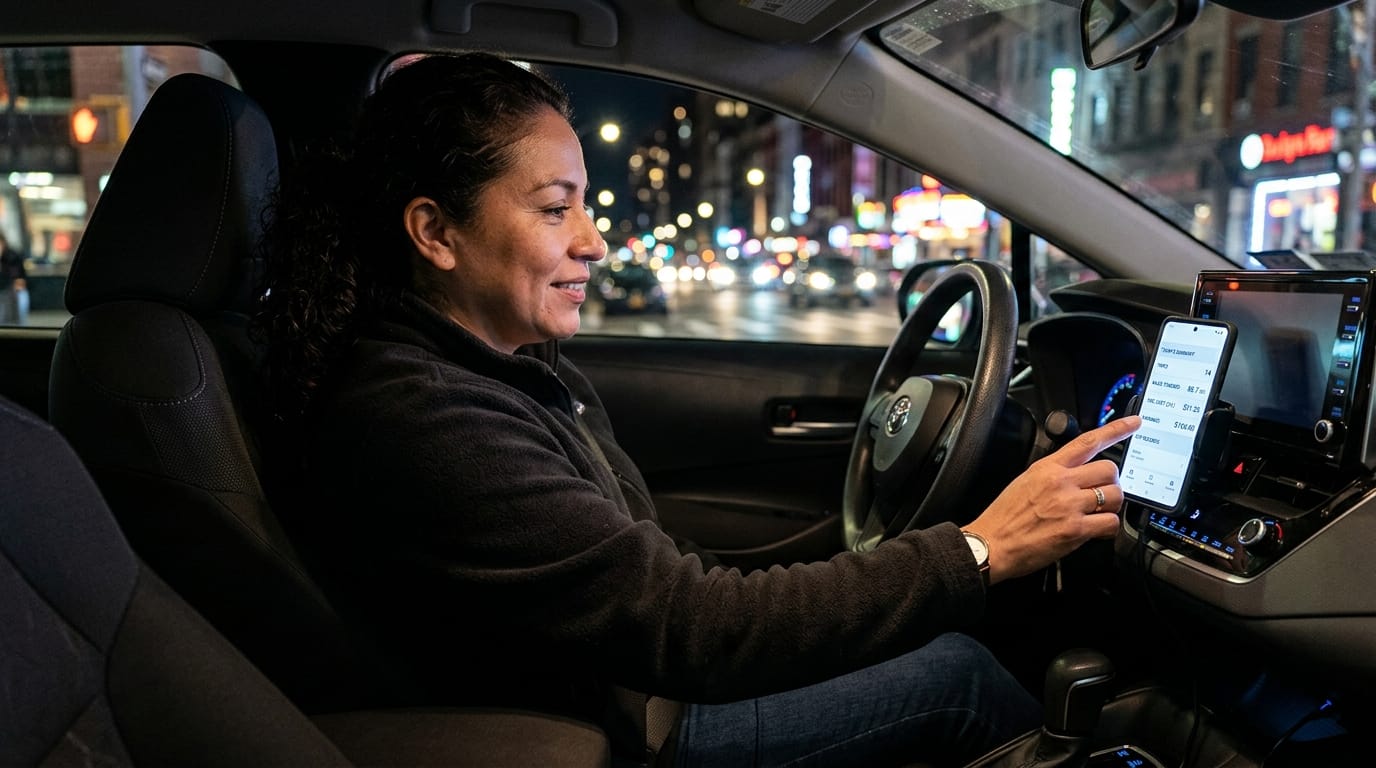
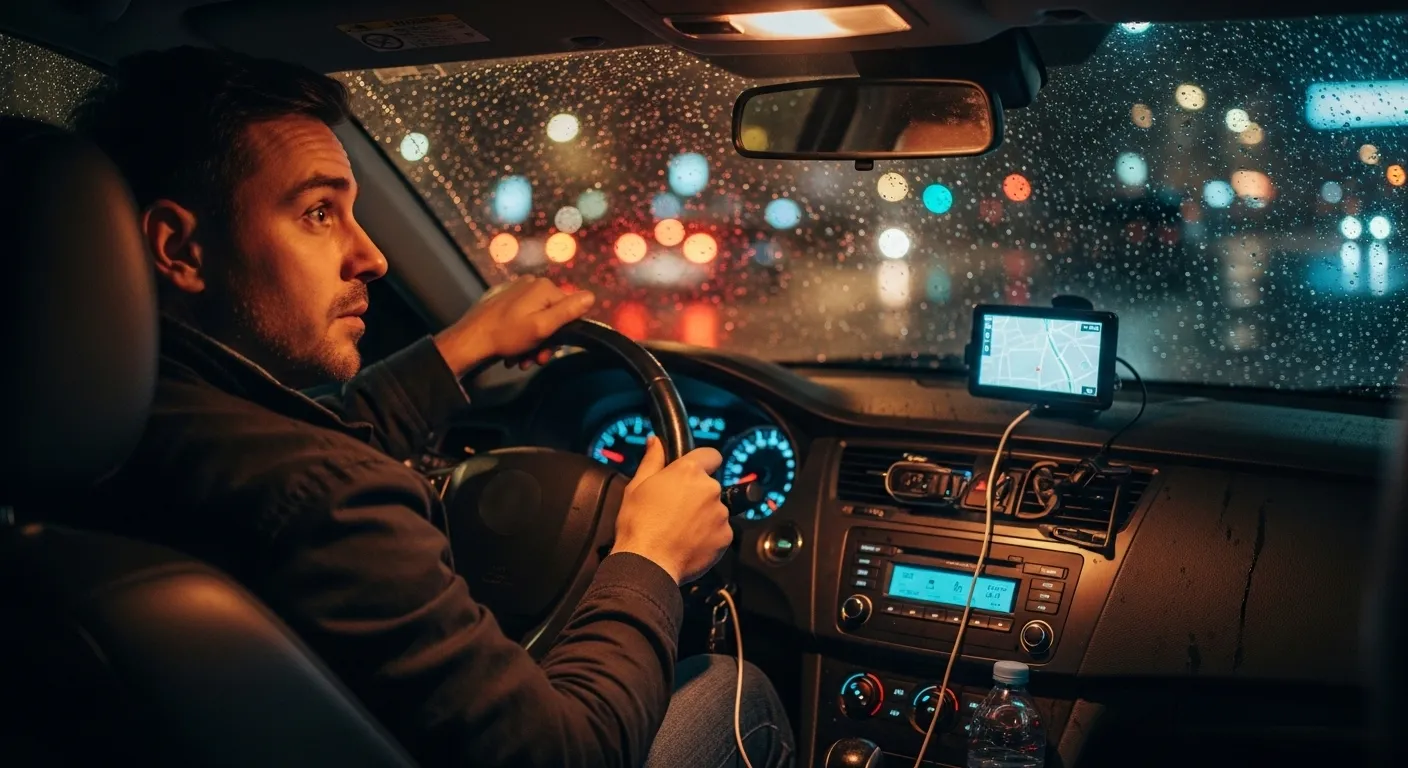
Late-night driving can be profitable, but it can also be where rideshare work gets more unpredictable. Demand may look better, roads may feel more open, and surge windows can be stronger, but the tradeoff is that fatigue, poor visibility, rider behavior, and pickup confusion all become more common problems. That is why late-night safety is not just a side issue for rideshare drivers. It is part of the job strategy.
The smartest drivers do not treat late-night safety as something they think about only after a close call. They build it into the shift before they go online. That means understanding how tiredness changes judgment, using in-app safety tools before something feels wrong, controlling pickups instead of rushing them, and knowing when to decline a ride or log off entirely. Those habits do not make night driving risk-free, but they do make it easier to protect yourself from avoidable mistakes.
If you plan to work late hours in 2026, the goal should not be to act fearless. The goal should be to drive in a way that reduces friction, reduces surprises, and keeps your judgment clear. That is what separates a productive overnight shift from one that turns messy fast.
Why Late-Night Driving Changes the Risk
Night driving is different even before a rider gets into the car. Visibility drops, other drivers may be more impaired or more aggressive, and your own body may be pushing against you if you are working during normal sleep hours. The road can look calmer while the actual safety margin gets thinner.
Fatigue is one of the biggest hidden problems
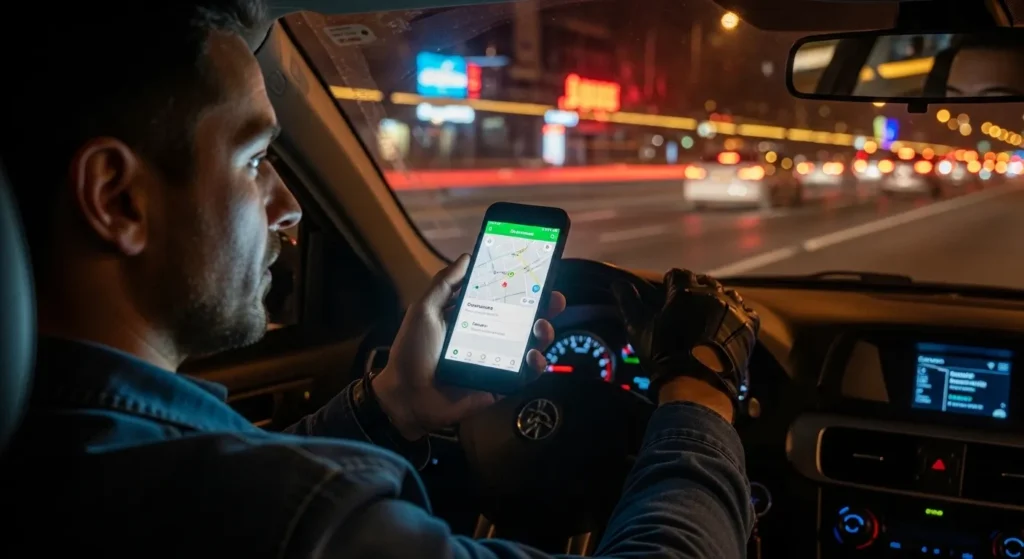
A lot of drivers worry about riders first and tiredness second. That order is backwards. Fatigue changes reaction time, patience, and attention, which means it quietly makes every other problem harder to handle. If your brain is slower, bad pickups feel more stressful, rider tension escalates faster, and traffic mistakes become more likely.
Caffeine is not a real safety plan
Drinking coffee or an energy drink can help you feel more alert for a short stretch, but it is not the same as being well-rested. If you are seriously tired, the risk is still there. The safest way to approach overnight driving is to decide before the shift how late you can realistically work without your judgment dropping off.
Rider behavior gets less predictable at night
Late-night trips are more likely to involve intoxicated riders, confused riders, groups that are louder or harder to manage, and pickups in crowded or poorly lit places. That does not mean every night ride is a problem. It does mean you should assume the average level of unpredictability is higher.
Night shifts need stronger boundaries
At night, clear boundaries matter more. You do not need to argue with riders about every little thing, but you do need to stay firm about seat count, pickup identity, open-container issues, and behavior that makes the trip feel unsafe or distracting. The more tired you are, the more useful simple rules become.
Best Late-Night Safety Tips That Actually Help
The best safety advice is not abstract. It is practical, repeatable, and easy to use when you are already under pressure. Night driving goes better when you reduce the number of decisions you have to improvise in the moment.
Control the pickup before it controls you
Many late-night problems start before the trip really begins. Crowded curbs, dark corners, bars closing out, event exits, and riders who are not paying attention all create confusion. One of the best habits you can build is slowing the pickup down just enough to confirm you are loading the right person in the right spot.
Stay in motion only when it improves safety
Do not circle endlessly just because the rider is texting vague directions. If a pickup point feels chaotic or unsafe, move to a better-lit and more visible location when possible and communicate clearly through the app. A cleaner pickup is usually worth a small delay if it reduces confusion and stress.
Use the app’s safety tools before you need them
One of the biggest mistakes drivers make is knowing safety features exist but not setting them up until something already feels wrong. That is too late. If your platform offers emergency help, audio recording, trip monitoring, rider verification signals, or location sharing, set those preferences in advance and know where they are in the app.
Set them up before the shift starts
Do not wait until midnight in a noisy pickup zone to figure out where the emergency options live in the app. Before a late-night shift starts, review your safety toolkit, make sure your phone mount is solid, check that your battery is high, and know how to access help fast if you need it.
Build a hard fatigue cutoff
Every driver likes to believe they can push one more hour. Sometimes that extra hour is exactly where the worst decisions happen. A hard cutoff protects you from negotiating with yourself when you are already tired. It can be time-based, earnings-based, or based on warning signs like missing turns, rereading the same screen, or feeling irritated by normal driving tasks.
Know when to log off
If you are struggling to focus, drifting mentally, or realizing you are no longer reading the road cleanly, the shift is over. The money is not worth pretending you are fine. A safer cutoff is usually cheaper than a crash, a confrontation, or a mistake you could have avoided by going home earlier.
Car Setup and Habits That Lower Stress at Night
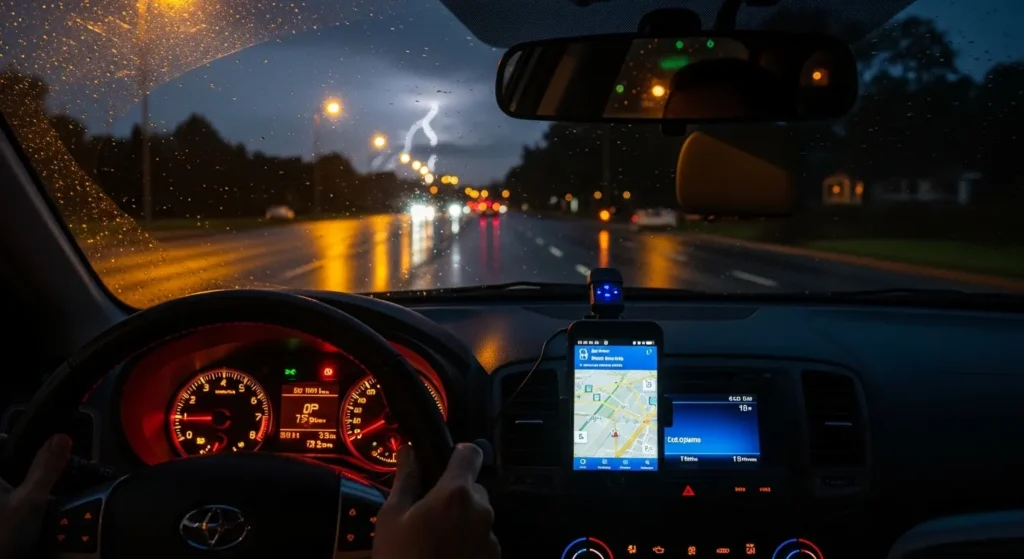
Night driving gets easier when the car itself is working with you instead of against you. A messy cabin, weak phone battery, bad charging cable, unclear dash setup, or cluttered seat area adds friction at exactly the wrong time.
Keep the cabin simple and ready
Late-night driving is not the time to dig around for a charger, move bags off the seat, or fix your phone mount while approaching a pickup. Start with a clean interior, enough charging power, good windshield visibility, and a setup that makes navigation easy to glance at without breaking focus.
Small prep reduces distraction
Simple preparation does more than make the car look better. It lowers the number of tiny distractions that pile up during a shift. The smoother the environment feels, the easier it is to stay calm when traffic, riders, or pickups get messy.
Tell someone your general shift plan
If you are working very late hours, especially alone in a large metro area, it is smart to let a trusted person know your general plan. You do not need to provide a minute-by-minute report, but it helps if someone knows you are working late, roughly what area you are in, and when you expect to be done.
Layer your safety, do not outsource it
Sharing shift details with someone you trust is not a replacement for good judgment. It is another layer. Good safety usually comes from layers working together: platform tools, clear boundaries, alert driving, and a simple personal check-in habit.
Where Human Judgment Matters Most at Night
Late-night rideshare work still depends heavily on human judgment. The app can give you tools, but it cannot decide everything for you. You still have to read the curb, the rider, the tone of the situation, and your own mental state.
Declining some rides is part of the job
A lot of drivers stay in bad situations because they do not want to hurt their acceptance flow, lose a surge moment, or deal with awkwardness. That is the wrong priority. Some rides should be declined, some pickups should be canceled, and some situations should be avoided entirely. Protecting yourself is part of the work.
Protecting ratings is not worth ignoring instincts
If something feels off, treat that feeling seriously. Good instincts are not paranoia. They are often the result of pattern recognition. A bad pickup environment, an aggressive rider, a mismatch in identity, or behavior that suggests the trip is likely to escalate is enough reason to step back.
The goal is a safer, cleaner shift
The best late-night drivers are not the ones who say yes to everything. They are the ones who keep the shift controlled. They work cleaner pickups, maintain better focus, and avoid letting pressure turn into bad decisions. That usually leads to better trips, fewer problems, and more sustainable driving overall.
Safer driving often helps earnings too
There is a practical side to all of this. Cleaner decisions can also support better earnings because they reduce wasted time, bad pickups, rider conflicts, and fatigue-related mistakes. That is why this topic connects naturally with How Rideshare Drivers Can Earn More in 2026 and Lyft vs Uber for Drivers in 2026. Safety and efficiency are not separate ideas on late-night shifts. They usually rise and fall together.
Late-night safety tips for rideshare drivers in 2026 come down to a few principles that still matter more than any single hack: do not drive tired, control the pickup, set up your safety tools before the shift, keep the car ready, and respect your instincts when something feels wrong. The drivers who stay safest at night are usually not the most fearless. They are the most disciplined.
If you want one official safety page worth bookmarking, use the NHTSA drowsy driving page. It is the right reminder that fatigue is not a personality test. It is a real crash risk.