
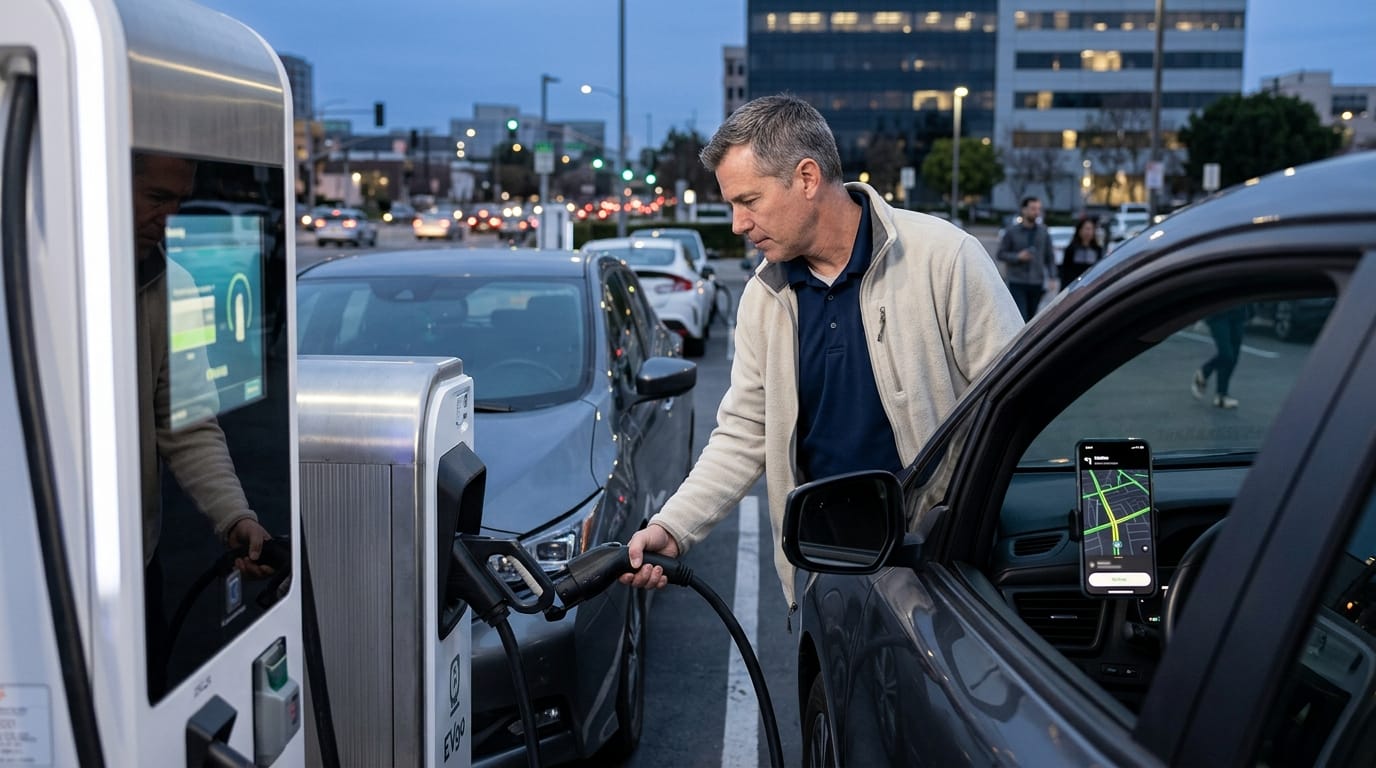


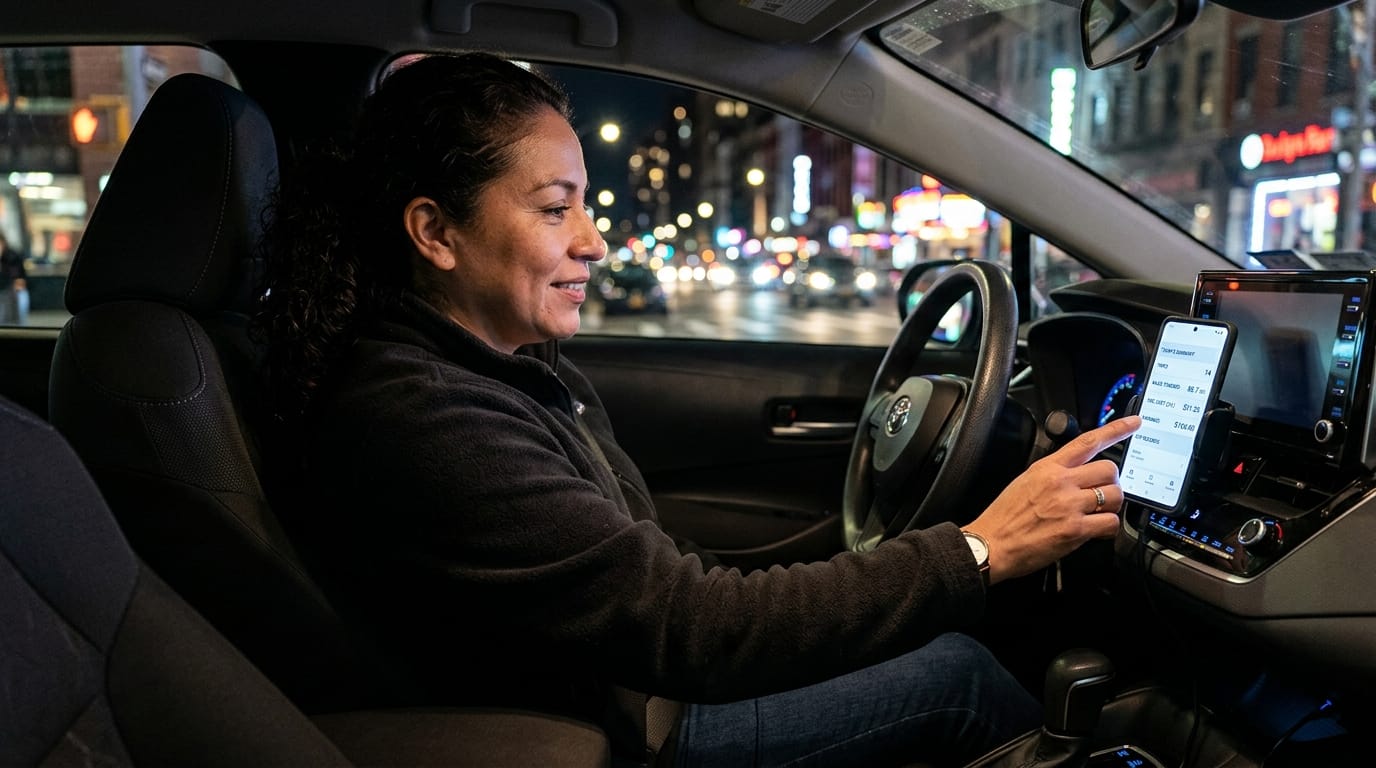
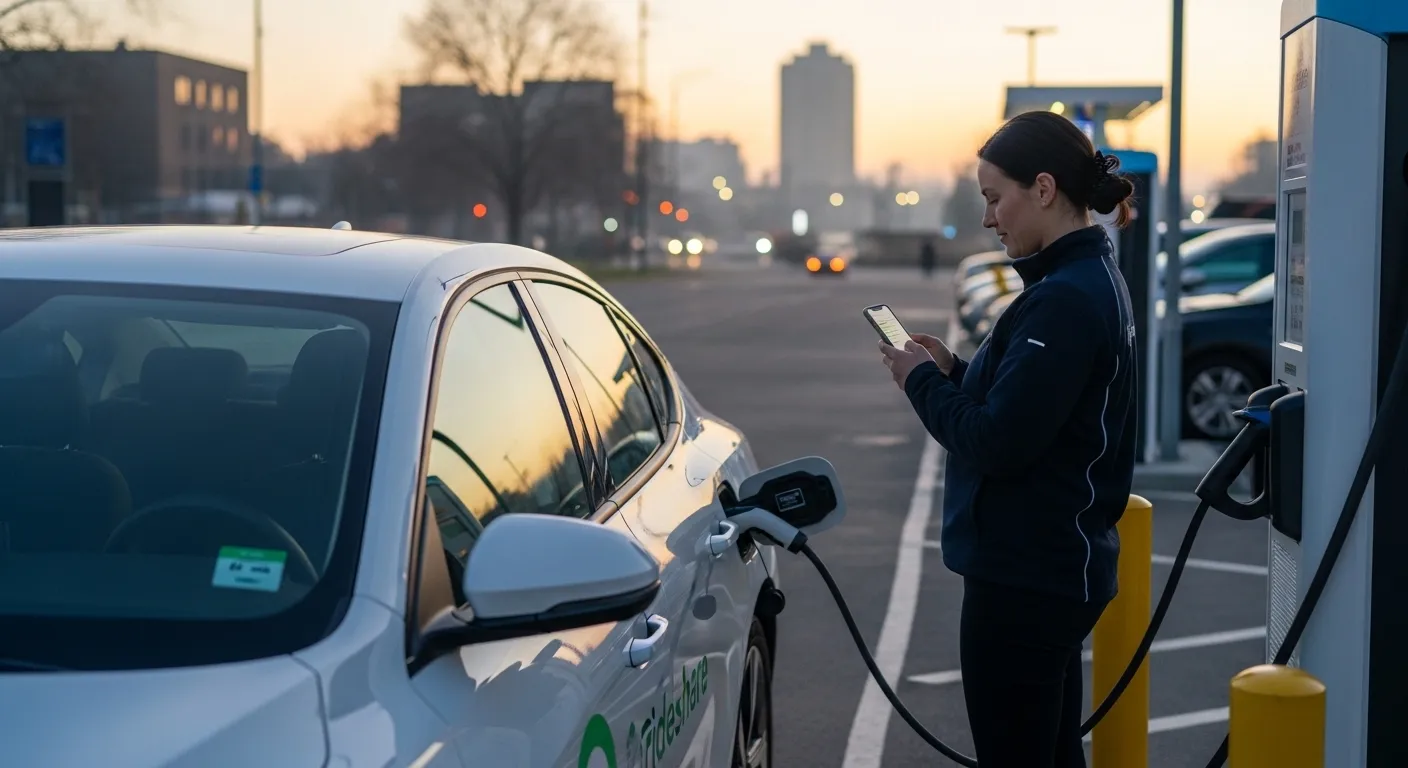
Electric vehicles keep showing up in rideshare conversations for a reason. Drivers hear about lower fuel costs, lower maintenance, platform bonuses, and the possibility of keeping more of what they earn. But in 2026, the real question is not whether EVs sound good in theory. The real question is whether an EV makes sense for your actual driving pattern, your charging situation, and your market.
That is where a lot of drivers get stuck. Some treat an EV like an automatic upgrade. Others write the whole idea off because they assume charging will be a constant problem or that range will ruin the job. Neither extreme is useful. The best EV strategy for rideshare drivers in 2026 is more practical than that. It starts with understanding your trip mix, your access to charging, your local electricity and fuel costs, and whether platform incentives or savings are strong enough to justify the move.
For some drivers, switching to an EV can improve margins and make the job feel smoother over time. For others, the better move is to wait, use a hybrid, or only go electric under specific conditions. The smartest decision is not the most trendy one. It is the one that works consistently after the hype wears off.
Why EVs Still Matter for Rideshare Drivers in 2026
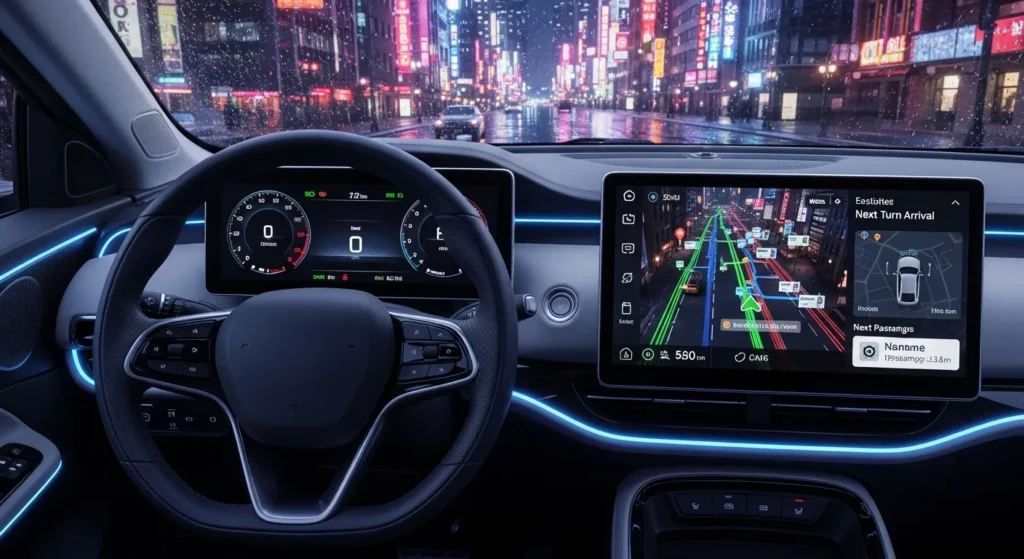
There is still a strong case for EVs in rideshare work, especially for drivers who put serious miles on their cars. The more miles you drive, the more operating costs matter. That is why electric vehicles remain worth considering even though the federal clean vehicle purchase credits for new, used, and commercial vehicles ended for vehicles acquired after September 30, 2025.
Fuel savings can still be meaningful
One of the biggest reasons to look at an EV is simple: fuel costs hit rideshare drivers constantly. When you drive for work, even moderate changes in energy cost show up in your weekly numbers. An EV can reduce that pressure, but the savings are strongest when you can charge efficiently and avoid expensive, poorly timed public charging sessions.
Why the savings are not automatic
If your charging plan is messy, the EV advantage weakens. Drivers who rely too heavily on inconvenient fast charging or who spend too much unpaid time chasing chargers can erase part of the benefit. Lower energy cost helps only when the charging routine fits the work.
Maintenance is part of the EV case too
Drivers often focus only on gas versus electricity, but maintenance matters too. A rideshare car burns through wear and tear fast. That is why lower maintenance expectations on EVs keep them in the conversation. The longer you stay on the road, the more those differences matter.
Think in total operating cost, not just payment
A lot of drivers make the mistake of comparing only the monthly vehicle payment. That is too narrow. The better comparison includes charging, maintenance, downtime, tires, insurance, and how the vehicle fits your work rhythm. A car that looks more expensive at first can sometimes be cheaper to operate over time, but only if the usage pattern actually supports it.
The Best EV Strategy Starts With Charging, Not the Car
A surprising number of drivers start by browsing vehicles. That is backwards. The real starting point is charging. If your charging situation is weak, even a good EV can turn into an inconvenience. If your charging setup is strong, a wider range of EVs becomes realistic.
Home charging is the clearest advantage
If you can charge at home overnight, the EV equation gets much better. That setup saves time, reduces dependence on public charging, and makes your day more predictable. For a rideshare driver, predictability matters because the job already has enough moving parts.
Why overnight charging changes everything
When the car starts the day charged, you are making the vehicle work around your life instead of rearranging your life around the vehicle. That is the difference between an EV feeling efficient and an EV feeling like another thing to manage.
Public charging can still work, but it needs planning
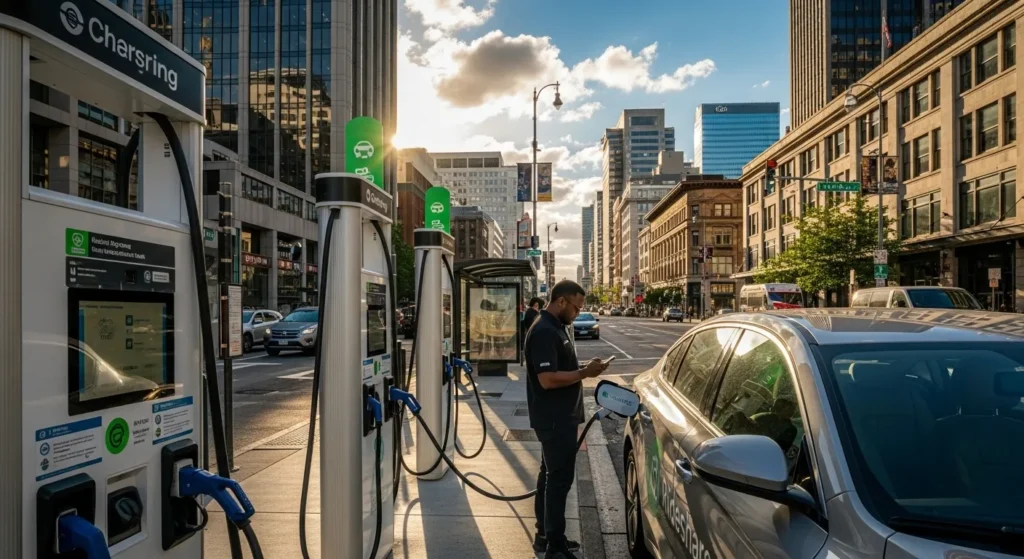
Not every driver has home charging, and that does not automatically rule out going electric. But it does raise the bar. If you rely on public charging, you need to know where stations are, when they are busy, how long charging takes at the sites you would actually use, and whether the cost still makes sense compared with your current fuel bill.
Do not assume charger access is the same everywhere
Charging infrastructure has grown, and the U.S. Department of Energy’s station tools make it easier to find stations, but local reality still matters more than national headlines. A market with solid charging density is very different from one where useful chargers are scattered, unreliable, or badly placed for rideshare work.
Range Anxiety Is Real, but It Is Usually a Planning Problem
Range is still one of the first objections drivers raise, and that concern is not crazy. Rideshare work can be unpredictable. But the right way to think about range is not emotionally. It is operationally. How many miles do you actually drive in a shift? How much of that is city versus highway? How often could you realistically top up without hurting your day?
Many drivers do not need maximum range every day
A lot of drivers talk as if they need extreme range at all times, but their real daily use may be much lower. That does not mean range does not matter. It means some drivers overestimate their daily requirement and end up paying for more battery than their business model really needs.
Cold weather still changes the math
One place drivers should stay realistic is weather. Cold temperatures, accessory use, and highway driving can cut effective range significantly. If you work in cold climates, that should directly influence both the EV you consider and the buffer you keep during shifts. A car that looks fine on paper can feel much tighter in winter.
The wrong EV strategy is buying around ideal conditions only
Do not evaluate an EV based on perfect weather, short city trips, and a charger that is always available. Build around harder days too. Think about busy weekends, bad traffic, late-night work, cold mornings, and whether you can still operate without turning charging into a constant interruption.
When an EV Makes the Most Sense for a Rideshare Driver
The best EV strategy for rideshare drivers in 2026 usually fits one of a few profiles. If you are a high-mileage driver with home charging, steady city driving, and enough volume to benefit from lower operating costs, an EV can make real sense. If you are also using a platform with EV-related bonuses or charging rewards, the case can get stronger.
Best-fit driver profile
An EV usually looks best when the driver works enough miles to benefit from fuel savings, has consistent access to charging, and operates in a market where city-style driving dominates. This is also where app and platform strategy matter. If you are trying to choose the best platform environment for an EV, this article pairs well with Lyft vs Uber for Drivers in 2026.
Why city-heavy driving helps
City driving often plays better with EV efficiency than long, high-speed highway runs. It can also make mid-shift planning easier if you know your market well and can schedule charging around lower-value periods.
When waiting is smarter
If you do not have reliable charging, if most of your driving is long-distance or unpredictable suburban work, or if your budget is already tight, waiting may be the better strategy. There is nothing wrong with that. An EV that creates stress, charging detours, or cash-flow problems is not a good business decision just because it sounds forward-looking.
Hybrids still make sense for many drivers
For some drivers, a hybrid remains the practical middle ground. It reduces fuel pressure without creating the same charging dependency. That may not be as exciting as going fully electric, but it can still be the smarter move depending on the market and your daily pattern.
How to Make the EV Decision Without Fooling Yourself
If you want to decide well, build your answer from numbers and routine, not from hype. Estimate your normal weekly miles. Compare current fuel spending with realistic charging costs. Check what public chargers are actually near the places you drive. Think about weather. Think about downtime. Think about insurance. Then ask whether the EV improves your actual workweek or just sounds impressive in conversation.
This is also where your broader financial habits matter. If you do switch, clean recordkeeping becomes even more important. That is why this post naturally connects with Best Tax Write-Offs for Rideshare Drivers in 2026 and How Rideshare Drivers Can Earn More in 2026. The car itself will not save a weak business system. It works best when the rest of your driving habits are already disciplined.
The best EV strategy for rideshare drivers in 2026 is not “everyone should switch now.” It is more specific: go electric if your charging setup is strong, your miles are high enough to justify the change, and the vehicle genuinely improves your weekly operating pattern. If those pieces are not in place yet, waiting is not failure. It is strategy.
That is the real answer. EVs can be a smart rideshare move in 2026, but only when the full system works: charging, range, costs, platform fit, and driver routine. If one of those breaks, the advantage shrinks fast. If they line up, the switch can be one of the cleaner long-term decisions a driver makes.
For charger planning, use the official Alternative Fueling Station Locator before you commit to a route or a vehicle.