
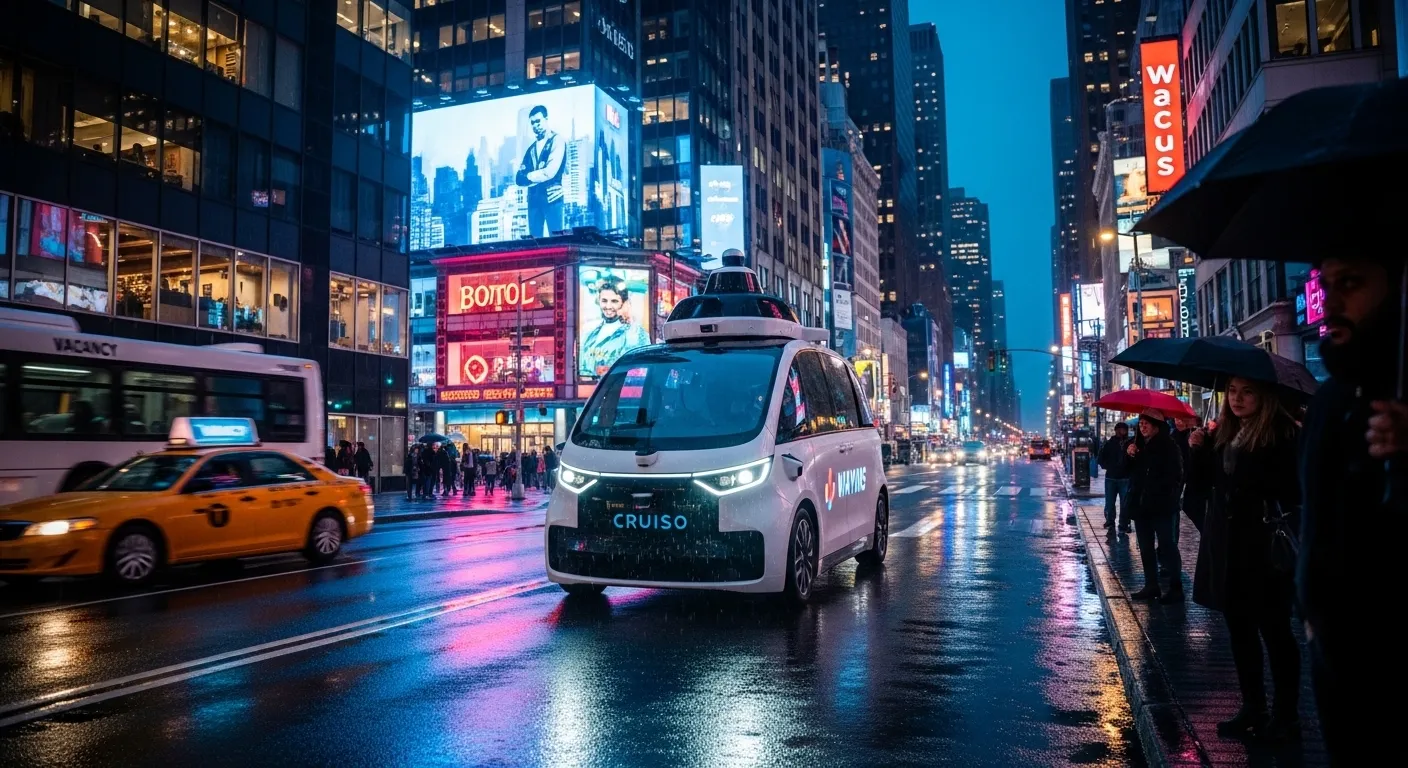
Robotaxis are no longer some distant idea that only matters to tech investors and conference speakers. In 2026, rideshare drivers have a more practical question: what does this actually change for the people who still make money behind the wheel every day? That question matters because Waymo is not just testing quietly anymore. It is scaling, expanding into more cities, and becoming part of the real ride-hailing conversation in ways that are harder to ignore.
That does not mean human rideshare driving disappears overnight. It means the conversation changes. Drivers now have to think about where robotaxis are growing, what kinds of trips they can realistically replace, and which parts of rideshare work still lean heavily in favor of human drivers. The truth is more complicated than either extreme. Robotaxis are not meaningless hype anymore, but they are also not about to wipe out every driver in every market this year.
For most drivers, the smartest response is not panic. It is strategy. If you understand where robotaxi expansion matters and where it still falls short, you can make better decisions about when to drive, which trips to focus on, what cities are changing fastest, and how to protect your earnings in a market that may become more segmented over time.
Why Rideshare Drivers Are Paying More Attention in 2026
Waymo has moved beyond pilot-stage novelty in a way that is hard to dismiss. Once a company starts putting up real ride volume, adding more operating areas, and integrating with a mainstream app like Uber in live rider markets, drivers have to stop treating it like background noise. It becomes part of the job environment.
Waymo is operating at meaningful scale now
One reason this topic feels different in 2026 is that robotaxi activity is no longer tiny. The conversation changes when autonomous rides move from occasional demo experiences to something riders can actually get in working metros. That kind of scale affects perception first, then behavior. Riders get used to seeing it. Platforms get more serious about it. Drivers start asking whether the local market will stay the same.
Why scale changes the conversation
When a robotaxi service is small, drivers can ignore it. When it starts serving meaningful trip volume, drivers need to think about market overlap. The overlap may still be limited, but it is real enough now that strategy matters more than denial.
Expansion still does not mean universal coverage
At the same time, a lot of drivers overreact to rollout headlines without looking at the details. A city launch does not mean every neighborhood, every trip type, every hour, or every rider is suddenly handled by robotaxis. In practice, autonomous service is usually fenced by service area, vehicle availability, trip eligibility, and operational limits. That means the real impact tends to be local and uneven rather than instant and total.
Why limited territory matters
If your driving week depends on long suburban pickups, airport patterns, irregular late-night trips, or mixed-demand zones, robotaxis may not touch much of your work in the near term. The first pressure usually shows up in more predictable, denser urban trips where the technology and service footprint are strongest.
What Waymo Expansion Could Actually Change for Drivers
The biggest mistake drivers make is asking whether robotaxis will replace all rideshare driving. That is too broad to be useful. The better question is which part of rideshare work gets pressured first. Once you ask that, the answer gets clearer.
Short, repeatable urban trips may feel the impact first
Robotaxis make the most sense in environments where the routes are relatively repeatable, the service area is tightly mapped, and rider demand is dense enough to keep the fleet moving. That puts pressure on some of the same short-to-medium urban trips that human drivers also want. If you work heavily in the center of a rollout market, especially in areas where riders are comfortable opting into autonomous rides, you may see more competition for those cleaner trips over time.
The first impact is likely local, not national
This is the key point a lot of drivers miss. The effect is not spread evenly across the whole country. It is strongest where rollout is active and weak or irrelevant where it is not. A driver in a market without meaningful autonomous service should not react the same way as a driver in a city where riders can already match with Waymo inside Uber.
Some high-friction rides still lean toward human drivers
Human drivers still do better in many of the messy situations that define real rideshare work. Riders who are confused, late, overloaded with luggage, traveling in odd conditions, or dealing with unusual pickup situations often benefit from a human being rather than a fully automated car. Markets also still have edge cases that are harder to standardize, and those edge cases matter more than people outside the job usually realize.
Airports, confusion, and real-world friction still matter
The more a trip depends on interpretation and flexibility, the more human drivers still have an advantage. That includes complicated pickup points, customer hand-holding, and situations where the rider is not behaving like a clean, simple app transaction. Those scenarios are not rare. They are part of what makes rideshare work human.
What Human Drivers Still Do Better
Even in 2026, the strongest argument for human drivers is not nostalgia. It is adaptability. Rideshare is full of imperfect situations, and that still creates room for people behind the wheel.
Drivers can adjust in real time
A human driver can read a curb, notice a rider waving from the wrong side of the street, decide whether a pickup looks unsafe, adjust communication style, and react to unusual behavior with judgment instead of rigid logic. That does not make every human driver better. It does mean the job still contains a lot of human value that cannot be reduced to route execution alone.
This matters even more when you combine it with better driver habits. If you want to make that adaptability profitable, it helps to pair this topic with How Rideshare Drivers Can Earn More in 2026, because better earnings often come from focusing on the situations where human drivers still add the most value.
Flexibility is still a real competitive edge
Drivers who understand customer behavior, know their city, and make good decisions under messy conditions still have an edge that is hard to automate perfectly. That edge may shrink in some zones, but it is not gone.
Human drivers also scale differently
Robotaxi fleets need mapped territory, approved operations, maintenance systems, cleaning workflows, vehicle availability, and a city-by-city expansion model. Human drivers scale through participation. That matters because even if autonomous fleets grow quickly, they still do not expand like an app simply onboarding more people. Physical deployment is slower, more expensive, and more limited by geography.
Why that slows disruption
For drivers, this means the transition is more likely to feel gradual and uneven than sudden. Some markets may change fast. Others may stay mostly human-led for much longer. That is not a reason to ignore the shift, but it is a reason to think clearly instead of catastrophically.
How Drivers Should Respond in 2026
The best response to robotaxi expansion is not emotional. It is operational. Drivers need to think about where they can still compete best, how to tighten margins, and how to avoid being overly dependent on the easiest short urban trips in markets where autonomous fleets are getting stronger.
Focus on trip types, robotaxis handle less cleanly
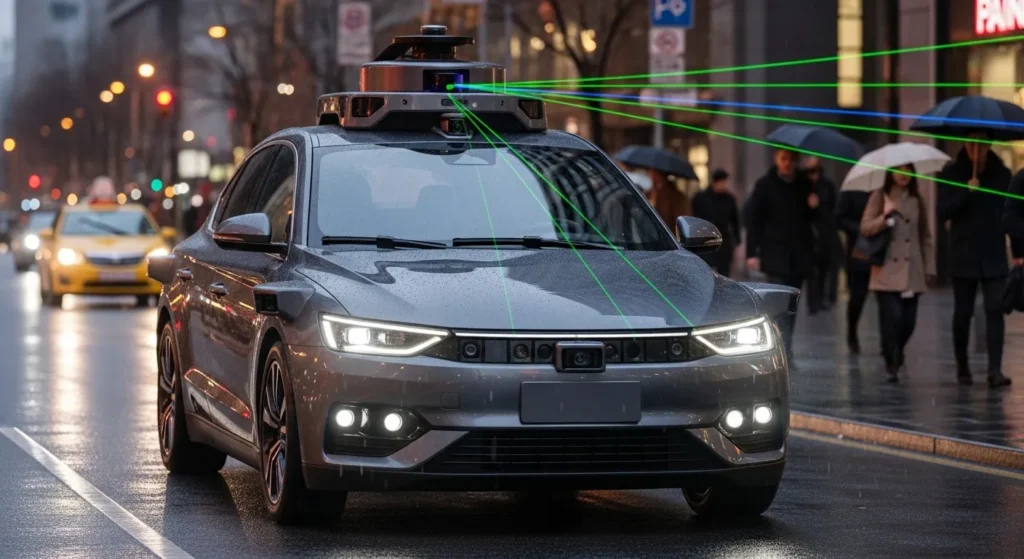
Drivers may need to lean harder into the parts of rideshare work that involve flexibility, higher friction, or more customer interaction. That can include suburban service, event exits, difficult pickup environments, luggage-heavy rides, and any trip where riders benefit from a person who can communicate clearly and adapt fast.
Where to adapt first
If you are in a rollout market, review your own trip mix. Ask which rides are most exposed to autonomous overlap and which ones still reward human judgment. That kind of shift in thinking is more useful than simply hoping the market stays the same.
Get more disciplined about costs and platform choice
If competition increases in some ride categories, weak margins become even more dangerous. That is why cost control matters more in 2026. Better mileage tracking, expense awareness, and smarter platform use become more important when the easy-margin trips are no longer something you can assume will always be there.
This article naturally connects with Best Tax Write-Offs for Rideshare Drivers in 2026 and Lyft vs Uber for Drivers in 2026. If the industry is changing, drivers need both cleaner records and better app strategy, not just stronger opinions.
Margin discipline is the real survival skill
Drivers who know their costs, choose their hours carefully, and understand platform dynamics will usually adapt better than drivers who rely on the market staying soft and familiar. That was already true before robotaxis. It just matters more now.
The Real Meaning of Waymo Expansion for Drivers
Waymo expansion in 2026 means robotaxis have moved from theory to real market pressure in a handful of important places. It does not mean human drivers are finished. It means the job becomes more segmented. Some trips and zones become more exposed. Others remain strongly human. The smartest drivers will stop asking whether robotaxis are “real” and start asking where they are real, how quickly they are spreading, and which parts of the job still reward human judgment most.
That is the real takeaway. For now, rideshare is not becoming fully autonomous everywhere at once. It is becoming mixed. And in a mixed market, the drivers who adapt fastest usually do better than the drivers who either panic too early or ignore the shift for too long.
If you want to watch the rollout directly, check the official Waymo on Uber page for current service details.