


For a lot of rideshare drivers, the question is no longer whether to drive. It is which app deserves more of your time. In 2026, that question matters more because margins are tighter, fuel still affects every shift, and platform tools can make a real difference in how clean or messy your driving week feels. A driver who uses the wrong platform strategy for their market can stay busy but still underperform. A driver who understands which app matches their style can often make the same hours work harder.
The problem is that most comparisons between Lyft and Uber are too shallow. They usually stop at the obvious point that both apps let you accept trips, move people around town, and cash out your earnings. That is true, but it does not help much when you are trying to decide where to focus. What matters more is how each app feels to drive with day after day. Which one helps you plan better? Which one gives you more control? Which one is easier to use when demand is inconsistent? Which one gives you tools that actually improve your week instead of just sounding good on a marketing page?
That is the real comparison. And in 2026, the answer is not perfectly universal. The better app depends on how you drive, what kind of trips you want, and how much you care about payout structure, trip filters, app guidance, and reward programs. Still, there are some clear patterns. If you want a short version, Lyft currently looks stronger for drivers who value simpler payout messaging and more intentional shift planning, while Uber looks stronger for drivers who want more layered in-app tools, loyalty rewards, and broader driver-side controls.
Where Lyft Looks Better in 2026
Lyft’s biggest strength right now is that it is easier to explain. That matters more than people admit. Drivers are constantly dealing with uncertainty, so a platform that makes its driver pitch feel more direct can be appealing. Lyft has put more visible emphasis on predictable driver economics and planning tools, and for some drivers that clarity is a real advantage.
Lyft’s earnings message is simpler
One reason Lyft gets attention in 2026 is that its driver pitch feels easier to understand. Drivers who care about payout fairness are naturally going to pay attention when a platform makes a clear percentage-based promise around weekly earnings after outside fees. Even if that promise does not solve everything, it still gives Lyft a cleaner talking point than a generic “earn on your own time” message.
Why that matters to part-time drivers
Part-time drivers often do not want to spend hours decoding platform logic. They want a simpler way to judge whether the app feels fair enough to keep using. Lyft benefits when the value proposition feels easier to explain in one sentence.
Lyft is strong for planning ahead
Another place Lyft looks good is shift planning. If you are the kind of driver who likes to look ahead instead of improvising every time you go online, Lyft’s planning-style features make the app feel more organized. This is especially useful for drivers who are balancing rideshare work with another job, family schedules, or a limited number of driving hours each week.
Why planning tools matter more now
When fuel and time both feel expensive, guesswork gets costly. Drivers who can plan around better hours, known bonuses, or preselected ride opportunities usually have a better chance of protecting margins. That is why a more structured app experience can feel valuable even if total weekly gross pay is similar.
Where Uber Looks Better in 2026
Uber’s advantage is less about one simple message and more about ecosystem depth. The app can feel more layered, and for some drivers that is exactly the point. If you drive more often, care about rewards, or like having multiple tools to improve decision-making during live shifts, Uber can look stronger this year.
Uber gives active drivers more tools to work with
Uber tends to reward drivers who actually use the app deeply instead of just logging in and hoping for the best. Features that help you read demand, manage trip flow, and guide your driving decisions can create a better experience for drivers who like to adjust in real time. This does not automatically mean Uber pays better in every market. It means Uber may give more hands-on drivers more levers to pull.
Why that matters for full-time drivers
Drivers who spend more hours on the road usually benefit from better live information. Even small improvements in trip selection, positioning, and timing can compound over a full week. For that kind of driver, Uber’s more layered feature set may feel more useful than Lyft’s cleaner but simpler structure.
Uber Pro is more meaningful than it used to be
Loyalty programs are often overhyped, but Uber Pro looks more practical in 2026 than many drivers might expect. The reason is not just status for status’s sake. The question is whether the rewards affect real driving conditions. When a platform offers perks tied to earning potential, fuel costs, or request quality, drivers are more likely to care.
When Uber Pro matters most
Uber Pro matters more for drivers who are already active enough to qualify for stronger tiers. If you only drive casually, the value may feel limited. But if you are driving enough to maintain status and use the perks consistently, then the program can become part of your weekly strategy instead of just a badge inside the app.
Safety, Control, and the Everyday Driver Experience
Most drivers do not choose an app based on one big feature. They choose based on how the platform feels over dozens or hundreds of trips. That includes safety, rider quality, trip control, and the amount of friction you deal with during an average shift. This is where the comparison gets more personal.
Uber currently feels stronger on layered driver controls
If you like having more controls, signals, and app data available while you work, Uber may feel like the better driver environment in 2026. Drivers who want to shape their shift actively rather than react to it may appreciate that kind of setup. The tradeoff, of course, is that more tools can also mean more complexity.
This is also where it helps to understand your market. A better app on paper is not always the better app on your streets. If you are trying to improve your weekly results either way, this post pairs well with How Rideshare Drivers Can Earn More in 2026, because platform choice and earnings habits should work together.
Why complexity is not always bad
Some drivers hate extra layers. Others want every possible edge. If you are in the second group, Uber may simply give you more room to optimize. That does not guarantee better outcomes, but it can support a more analytical driving style.
Lyft feels more appealing for drivers who want less friction
Lyft can look better when your goal is to keep the job simpler. Drivers who want a more straightforward app relationship often care less about chasing every possible tool and more about whether the platform feels easy to plan around. If that is your style, Lyft may feel more comfortable to stick with this year.
Who this fits best
This usually fits part-time drivers, side-hustle drivers, and anyone who does not want rideshare work to become a constant optimization project. A cleaner experience can be more sustainable for people who value consistency over feature depth.
So Which App Looks Better This Year?

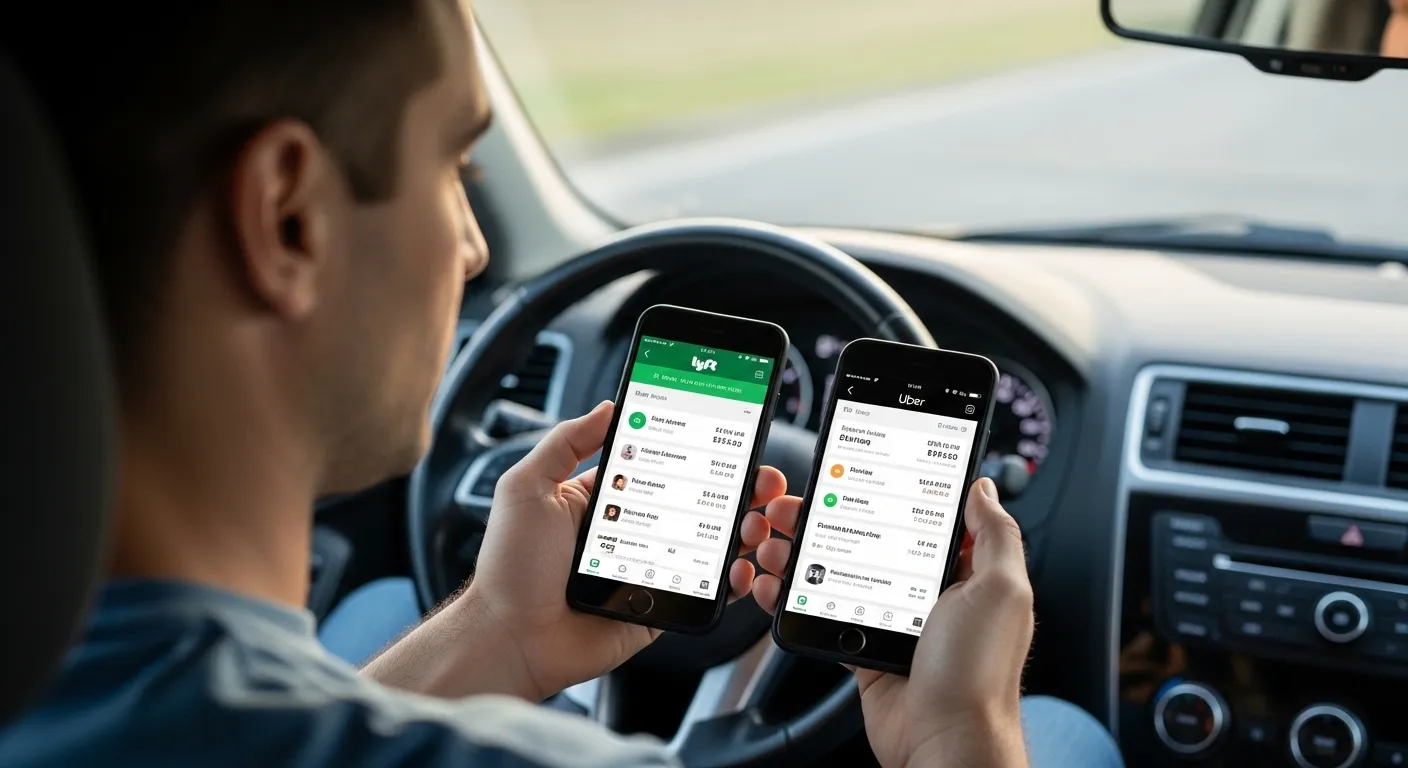
If the question is which app looks better for drivers in 2026, the honest answer is that both can make sense, but they look better for different reasons. Lyft looks better if you care most about clearer payout messaging, shift planning, and a less complicated driver experience. Uber looks better if you want more in-app tools, stronger loyalty rewards, and more ways to influence your day while you are already online.
If you are a part-time driver, Lyft may be the cleaner fit. If you are a more active or full-time driver who wants deeper tools and reward-based upside, Uber may be the stronger fit. And if your market supports both, the smartest move may be to avoid blind loyalty altogether. Test both apps honestly. Track which one produces better net results after fuel, dead miles, and time. That is the comparison that actually matters.
This is also where your back-end habits matter. If you are making more on one app but tracking expenses poorly, you may still be missing the bigger picture. That is why this article naturally connects with Best Tax Write-Offs for Rideshare Drivers in 2026. Platform choice helps, but disciplined recordkeeping tells you whether the choice is truly working.
For most drivers, the best answer in 2026 is not a tribal one. It is strategic. Use Lyft if it matches your planning style. Use Uber if its tools and rewards fit the way you drive. And if you are willing to test both without emotion, let your own numbers decide which app deserves more of your time this year.
For a current look at one of Uber’s biggest driver-side programs, visit Uber Pro.