
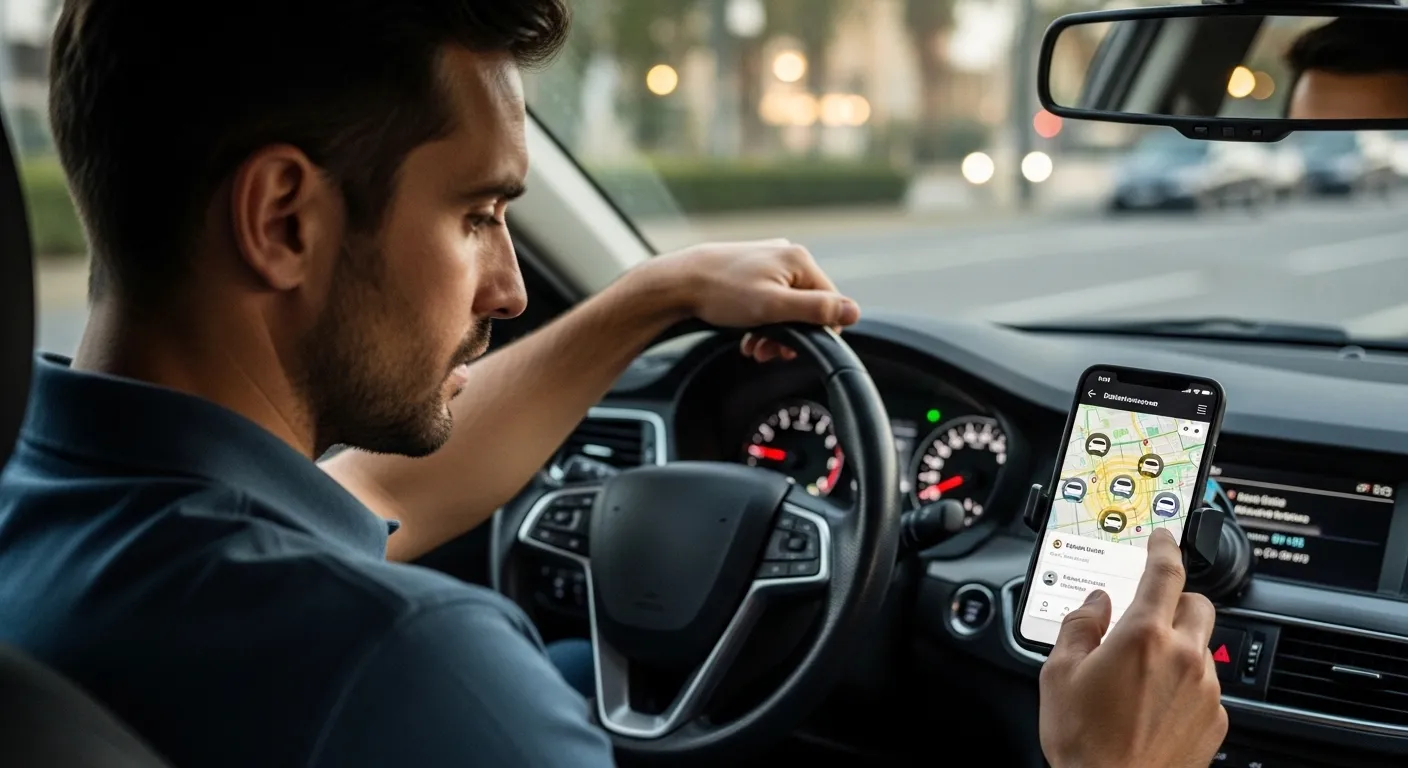
For rideshare drivers, 2026 is shaping up to be a year where small decisions matter more. Fuel costs can swing fast, incentives are never guaranteed to stay the same, and platform tools keep changing. That means earning more is not only about driving longer. In many cases, the better move is to drive more intentionally. The drivers who do well are usually the ones who understand their costs, reduce wasted miles, work better hours, and use the app more strategically.
The good news is that there is still a lot drivers can control. You cannot set rider demand. You cannot control local traffic or fuel prices. But you can control when you drive, where you position yourself, which trips you accept, how well you track expenses, and how efficiently you use your time. Those are the habits that separate drivers who stay frustrated from drivers who gradually improve their results.
If your goal this year is to make rideshare driving feel more profitable without turning it into a nonstop grind, this guide gives you a practical place to start. The focus here is not hype. It is on steady, repeatable decisions that can help rideshare drivers earn more in 2026 while protecting margins as costs rise.
Why Earning More Feels Harder in 2026
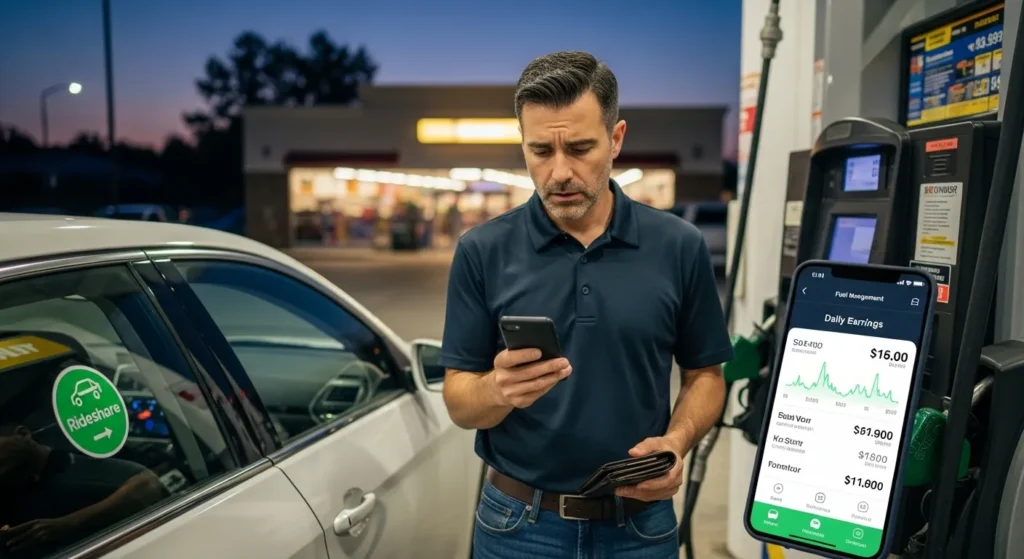
Many drivers are not imagining it. It really does feel tighter when fuel climbs, slow hours get slower, and dead miles stack up between worthwhile trips. That is why more drivers are paying closer attention to the gap between gross earnings and what they actually keep.
Fuel costs matter more when margins are thin
One of the biggest mistakes drivers make is thinking fuel is just background noise. It is not. When gas prices rise, even a decent driving week can feel weaker because the increase hits every mile, including unpaid miles spent repositioning, waiting, or heading toward a pickup. Drivers who ignore that effect often think they need to work more, when the better answer is sometimes to work cleaner.
What that means in real life
If you spend too much time chasing low-value rides across wide distances, you are not only using more fuel. You are also using more maintenance, more tire wear, and more personal energy. A shift can look busy on paper while still being inefficient underneath.
App tools can help, but only if you use them well
Most rideshare platforms now give drivers more visibility into earnings, scheduling, or trip planning than they did before. That sounds good, but extra tools do not automatically lead to better outcomes. Drivers still have to interpret the data, test what works in their market, and avoid building their whole week around one incentive or one lucky surge pattern.
Consistency beats chasing every spike
Many drivers lose money by driving reactively. They go online because the map looks hot, then spend too long in the wrong area or stay out after demand has cooled off. In 2026, a more disciplined pattern usually works better: learn your best hours, understand your most reliable zones, and use app features to support that plan instead of replacing it.
How Rideshare Drivers Can Earn More in 2026 Without Driving Longer
The goal is not just more trips. The goal is better trip quality and better cost control. That usually comes from a few boring but powerful habits repeated every week.
Choose your hours more carefully
Many drivers still treat availability like the main advantage of gig work. It is an advantage, but flexibility only pays off when you use it well. A short shift during the right hours can outperform a much longer shift during flat demand. Morning commute windows, airport waves, event traffic, and weekend late-night demand often create better opportunities than random mid-afternoon driving.
Build around reliable patterns first
Instead of asking, “When should I drive today?” start asking, “Which hours usually produce my cleanest earnings?” The best answer is often based on your own market history. Keep notes. If Friday 5 p.m. to 9 p.m. reliably beats Tuesday noon to 4 p.m., then schedule around that reality instead of hoping a weak shift turns around.
Reduce dead miles and unpaid driving
Dead miles are one of the easiest profit leaks to ignore. Long pickups, poor repositioning, driving home without planning, and constantly relocating between weak zones all chip away at your week. Drivers who want to earn more in 2026 should treat dead miles like a direct expense, because that is exactly what they are.
Make repositioning deliberate
Do not keep moving just to feel productive. If one zone is not working, ask whether there is a real reason to relocate or whether you are simply reacting emotionally to a slow patch. Sometimes the best move is waiting in the right area for the next worthwhile request. Other times it is leaving a bad zone entirely. The point is to make the move for a reason, not from impatience.
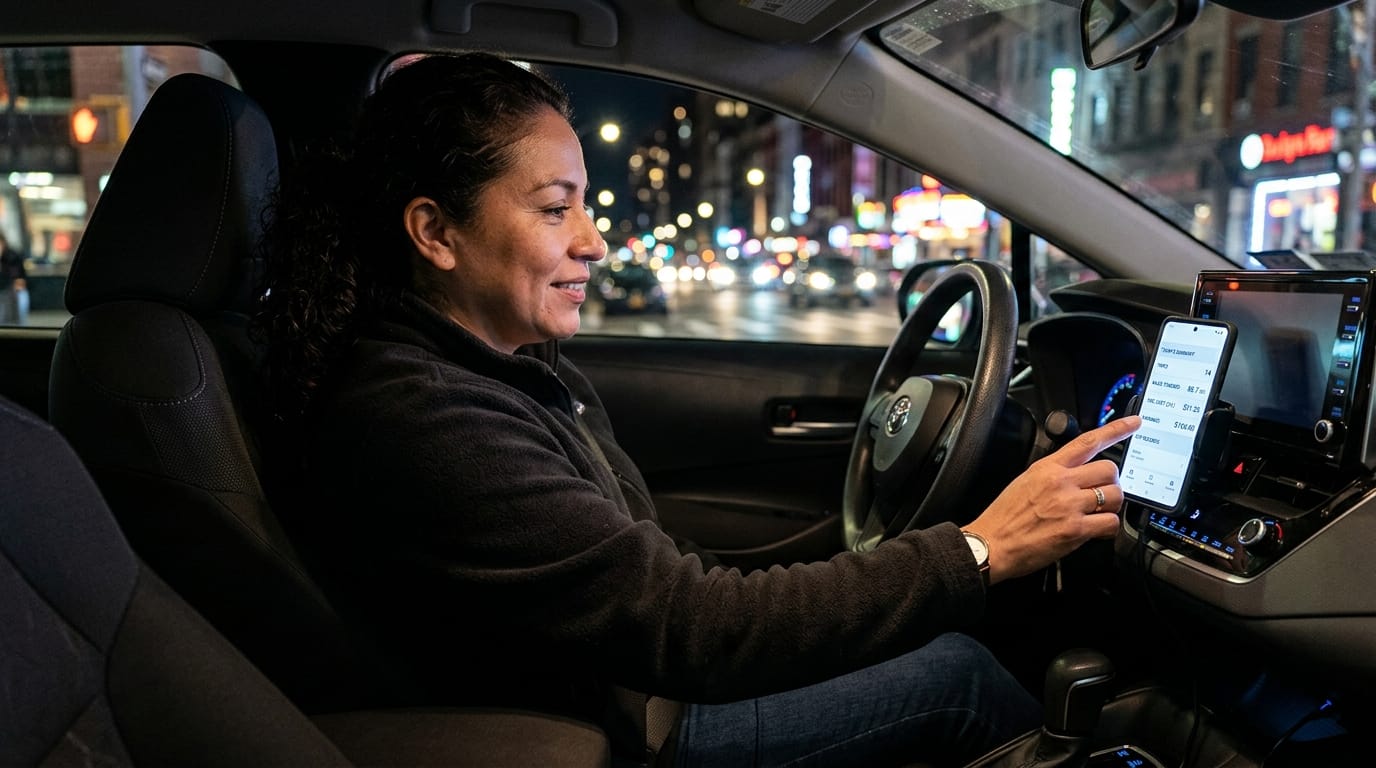
Track mileage and expenses every week
Drivers who wait until tax season to think about expenses usually miss part of the picture. Weekly tracking is much better. It helps you understand whether a shift actually performed well after costs. It also makes tax prep easier later. Even if you choose the standard mileage method, you still need a reliable record of business miles. The IRS 2026 mileage rate page is a good official reference point to keep bookmarked.
Know your real take-home trend
Gross pay can be misleading. What matters more is what you keep after fuel, cleaning, maintenance, car washes, supplies, and the business miles you are putting on the vehicle. A driver making less gross revenue on a tighter, cleaner schedule may still come out ahead of a driver chasing bigger top-line numbers with weaker cost control.
Habits That Usually Separate Stronger Drivers
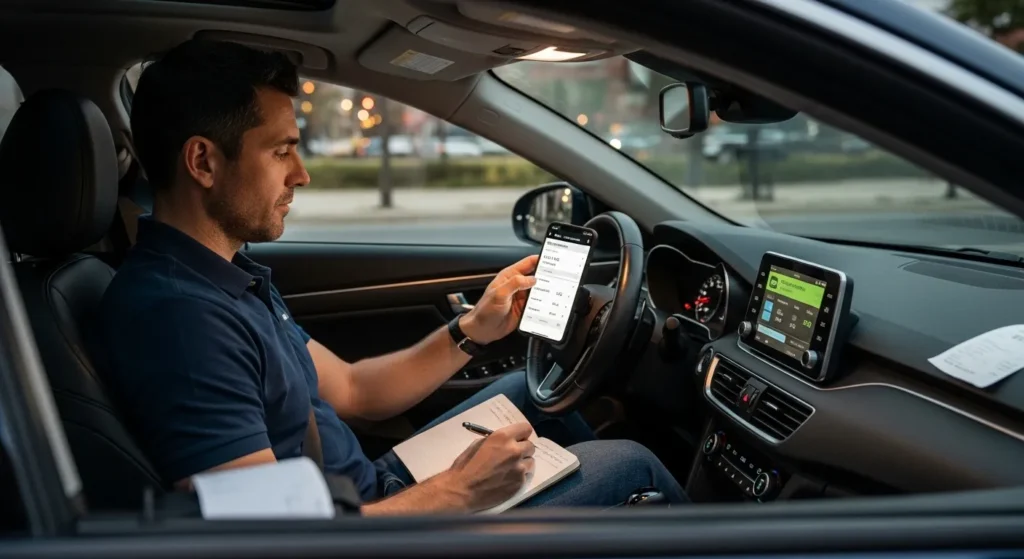
There is no perfect formula for every market, but stronger drivers usually share a few habits. They think in terms of systems, not random wins.
They do not accept every trip blindly
It is easy to fall into the mindset that every ping is income. That is not always true. Some rides create long unpaid returns, poor repositioning, or heavy traffic without enough upside. Stronger drivers think about the full trip context, not just the request in front of them.
This becomes even more important when you are comparing platforms. If you later publish your comparison post, link here to Lyft vs Uber for Drivers in 2026 so readers can decide which app fits their strategy better.
They keep the car ready to work
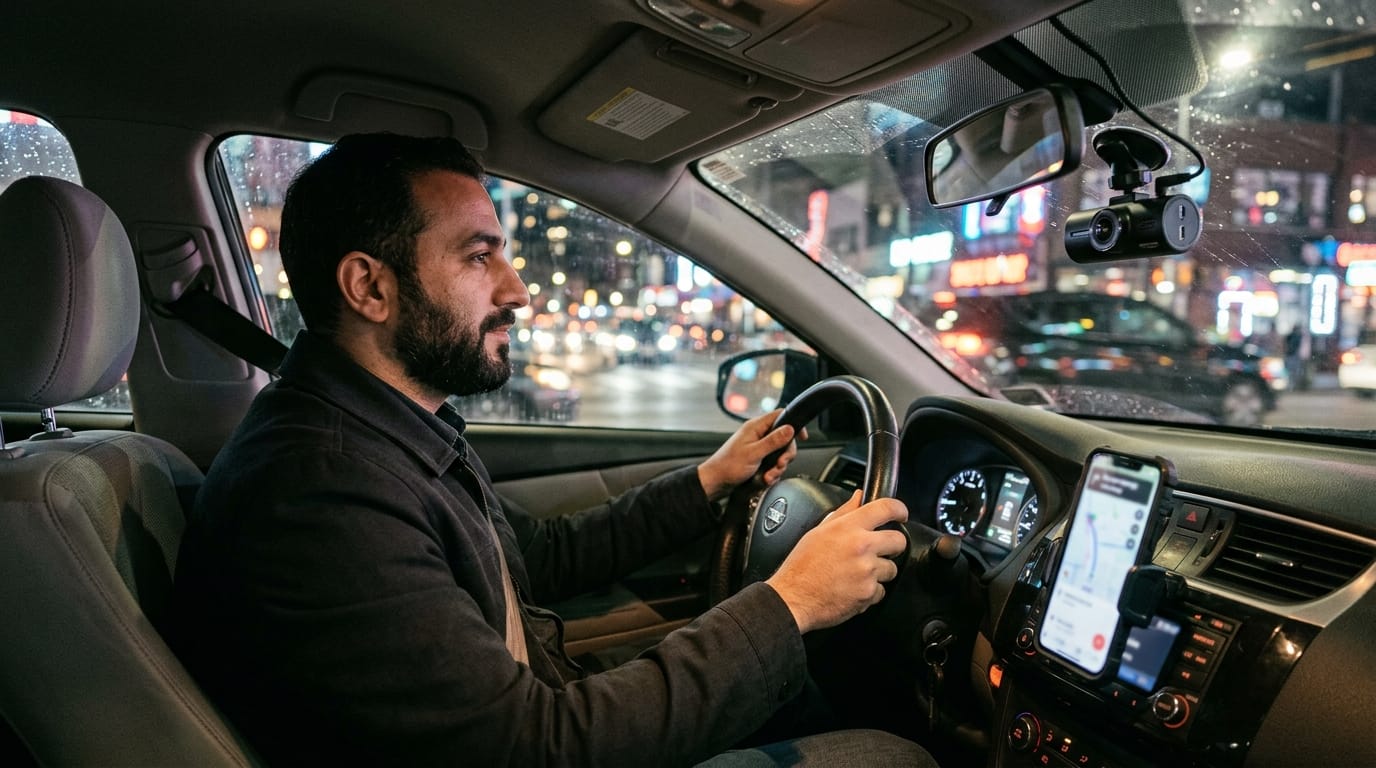
Vehicle readiness affects earnings more than people think. A dirty car, weak phone mount, bad charging cable, low tire pressure, or cluttered back seat creates friction that can hurt ratings, tips, comfort, and personal energy. A simple pre-shift routine helps protect income because it reduces avoidable mistakes.
They think beyond this week
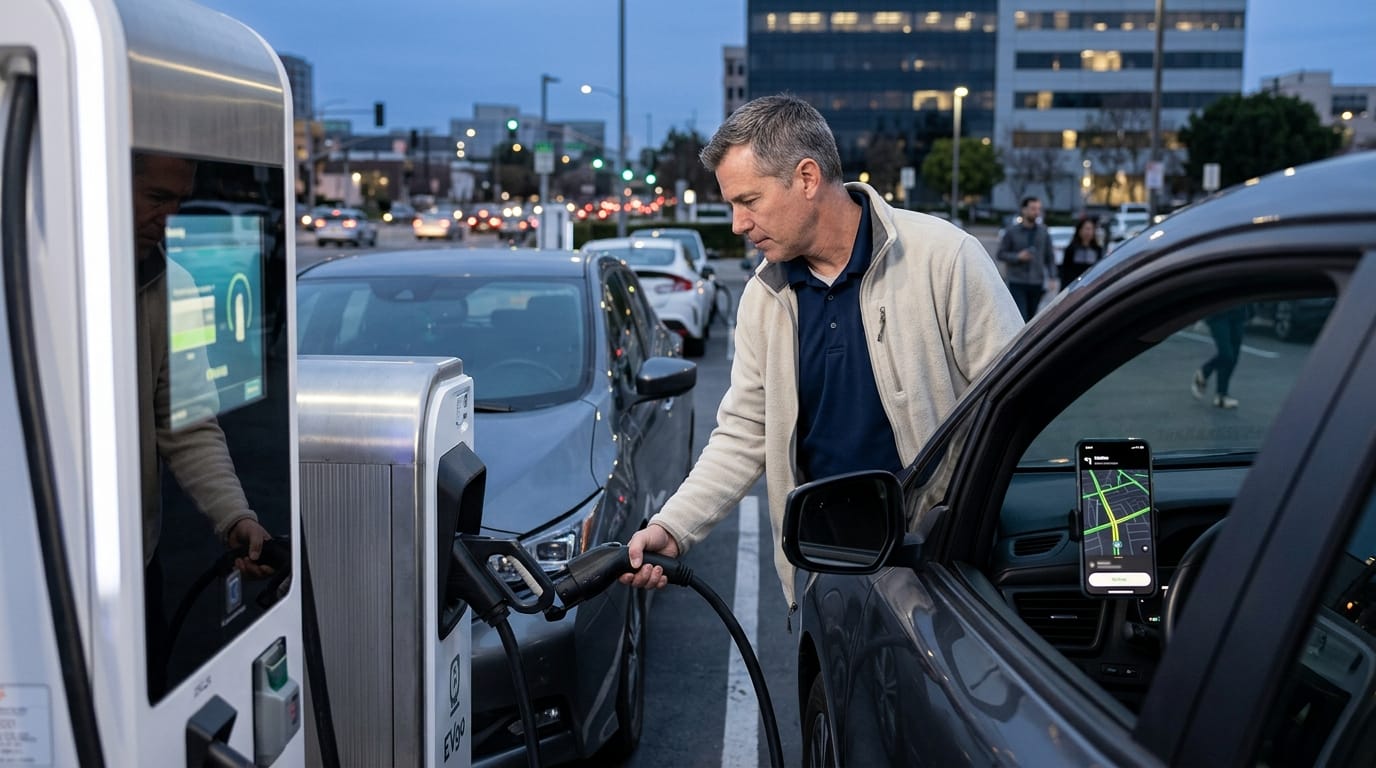
One of the smartest ways to earn more is to protect long-term efficiency. That means taking care of the car, watching maintenance intervals, and making decisions that keep the job sustainable. If you are considering switching vehicles or going electric, a future internal link to Best EV Strategy for Rideshare Drivers in 2026 fits naturally here.
A Simple Weekly Plan for Better Rideshare Earnings
If you want a practical system, keep it simple. Before each week starts, decide which time blocks are worth protecting. Before each shift, prepare the car, check your phone setup, and review your best zones. During the shift, focus on trip quality, not only trip count. After the shift, log your mileage, spending, and a few notes about what worked.
This is also where your future content ecosystem starts helping. A strong companion post like Best Tax Write-Offs for Rideshare Drivers in 2026 can support the expense side of the strategy, while this article stays focused on profit habits during active driving.
Rideshare drivers can earn more in 2026, but the path is narrower than it looks from the outside. It is less about chasing one perfect bonus and more about stacking smart habits: better hours, fewer dead miles, cleaner expense tracking, more selective driving, and a stronger understanding of how your market behaves. That is what gives drivers a better shot at protecting profits even when fuel prices rise and platform conditions keep shifting.
The drivers who do best this year will probably not be the ones working the most random hours. They will be the ones making fewer sloppy decisions. That is still good news, because it means improvement is possible without turning rideshare into a bigger grind than it already is.