

Rideshare fuel costs are one of the biggest profit killers for Uber and Lyft drivers in 2026. A driver can have a busy day, complete many rides, and still feel disappointed after paying for gas. That is the problem. Gross earnings can look good inside the app, but real profit depends on what stays after fuel, maintenance, insurance, taxes, and vehicle wear.
Higher gas prices make every bad trip more painful. A long pickup can waste fuel before the ride even starts. A slow airport queue can burn time and gas. A low-paying ride across town can pull a driver away from better demand. These small decisions add up fast.
This topic fits RideshareDrivers.club because your site already helps drivers think like business owners. Readers can also review your guides on rideshare driver tax deductions in 2026, rideshare insurance gaps, Lyft vs Uber for drivers in 2026, and late-night safety tips for rideshare drivers. Fuel cost planning connects with all of those topics.
The main lesson is simple. Drivers should stop judging a shift only by app earnings. A better question is this: how much profit did the shift actually create? That mindset turns rideshare fuel costs from a daily frustration into a number drivers can manage.
Why Rideshare Fuel Costs Matter More in 2026
Fuel affects every part of rideshare work. It affects when drivers work, which rides they accept, where they wait, and whether the shift is worth it. When gas prices rise, weak trips become even weaker. Drivers who ignore fuel math may work longer but keep less money.
The issue is not only the price per gallon. The real issue is fuel burned per profitable mile. A driver can lose money by chasing distant pickups, circling busy blocks, sitting in traffic, or waiting too long in low-demand areas. Even a fuel-efficient car cannot fix poor trip selection.
Rideshare drivers also face a mental trap. The app shows earnings, bonuses, quests, tips, and surge. It does not always show the full cost of reaching those rides. That gap can make a shift look better than it really is.
Drivers need a simple business rule. Every mile should have a reason. Some miles help create profit. Other miles only drain fuel. The goal is not to drive less at all costs. The goal is to drive smarter.
Gas Prices Can Change the Value of Every Trip
A ride that looked acceptable last year may not look good now. Higher fuel prices change the break-even point. This is especially true for drivers with larger vehicles, older engines, heavy traffic routes, or long pickup areas.
Drivers should look at trips in terms of dollars per mile, dollars per hour, and direction. A short ride with a nearby pickup can beat a longer ride that ends in a dead zone. A ride with a strong tip history may beat a low-value trip that pulls the driver away from demand.
The best drivers do not only ask, “How much does this ride pay?” They also ask, “How much fuel and time will this ride cost me?” That question protects profit.
Long pickups can quietly destroy profit
Long pickups are one of the biggest hidden costs in rideshare driving. The driver spends fuel before the paid trip starts. If the passenger cancels, the driver may lose both time and gas. Even when the trip happens, the total mileage may not justify the payout.
A five-mile pickup for a short ride can be a bad deal. A ten-minute pickup during traffic can be worse. Drivers should set personal limits for pickup distance and time. Those limits may change by city, bonus, surge, and demand.
Idle time also has a fuel cost
Idle time feels harmless, but it can hurt profit. Drivers may sit with the engine running for air conditioning, heat, phone charging, or comfort. In hot or cold weather, that fuel use can become expensive.
Drivers should choose waiting spots carefully. A shaded legal parking area can reduce air conditioning use. A safe location near demand can reduce dead miles. A short break with the engine off can protect both fuel and the vehicle.
Trip Selection Is the Core of Rideshare Profit Strategy
A strong rideshare profit strategy starts with trip selection. Drivers cannot control gas prices, rider demand, or platform pay formulas. They can control which rides they accept and how they position the car between rides.
Drivers should watch patterns. Some areas create steady short rides. Others create long rides with poor return trips. Some event zones create strong pay but heavy traffic. Airport queues can work for some drivers, but they can waste time for others.
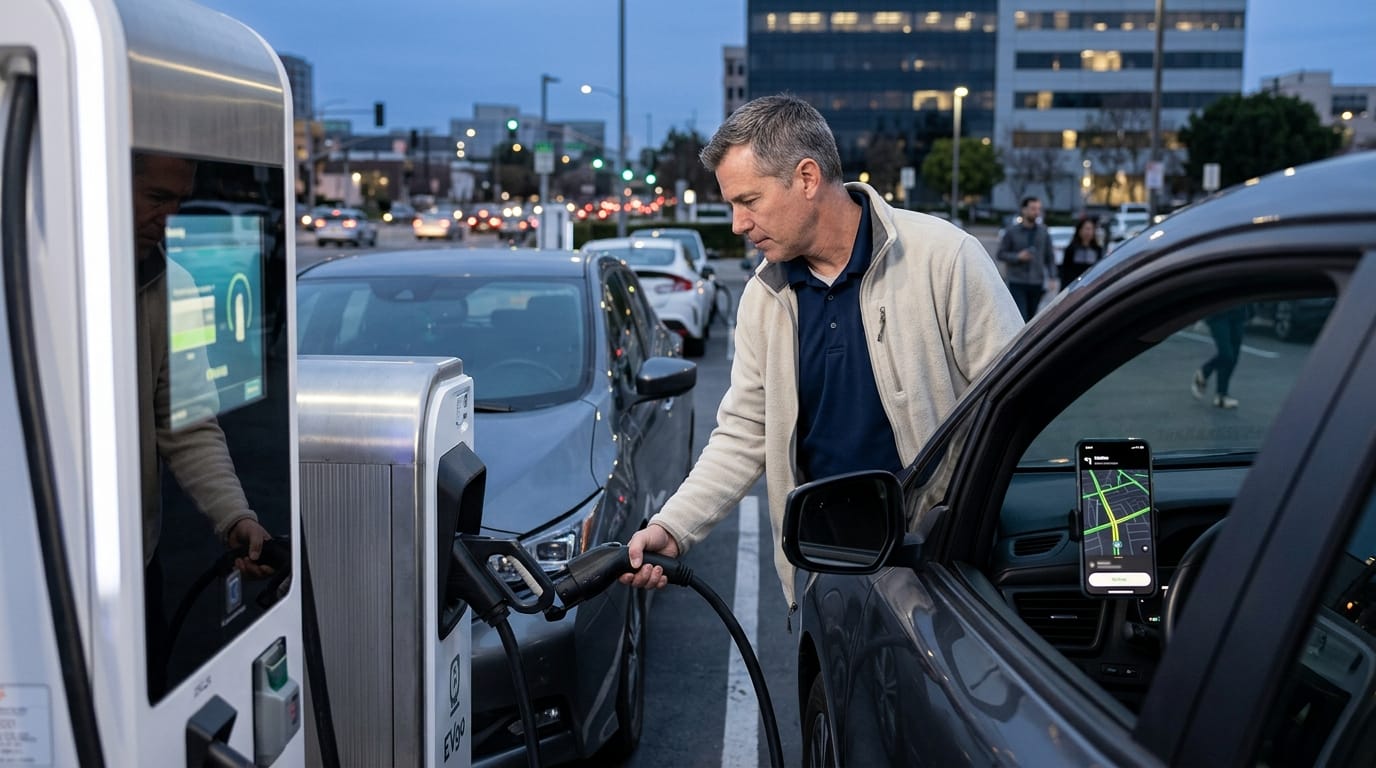
Good trip selection also depends on the driver’s vehicle. A hybrid driver may handle city traffic better. A larger SUV may need higher-paying trips to justify fuel. An EV driver may think less about gas, but charging time still matters.
That is why every driver needs personal numbers. Do not copy another driver’s strategy without checking your own fuel cost, vehicle type, city, and work schedule.
Drivers should track profit per mile, not only weekly earnings
Weekly earnings can mislead drivers. A driver may earn more by working longer, but that does not always mean the strategy improved. Profit per mile gives a clearer picture.
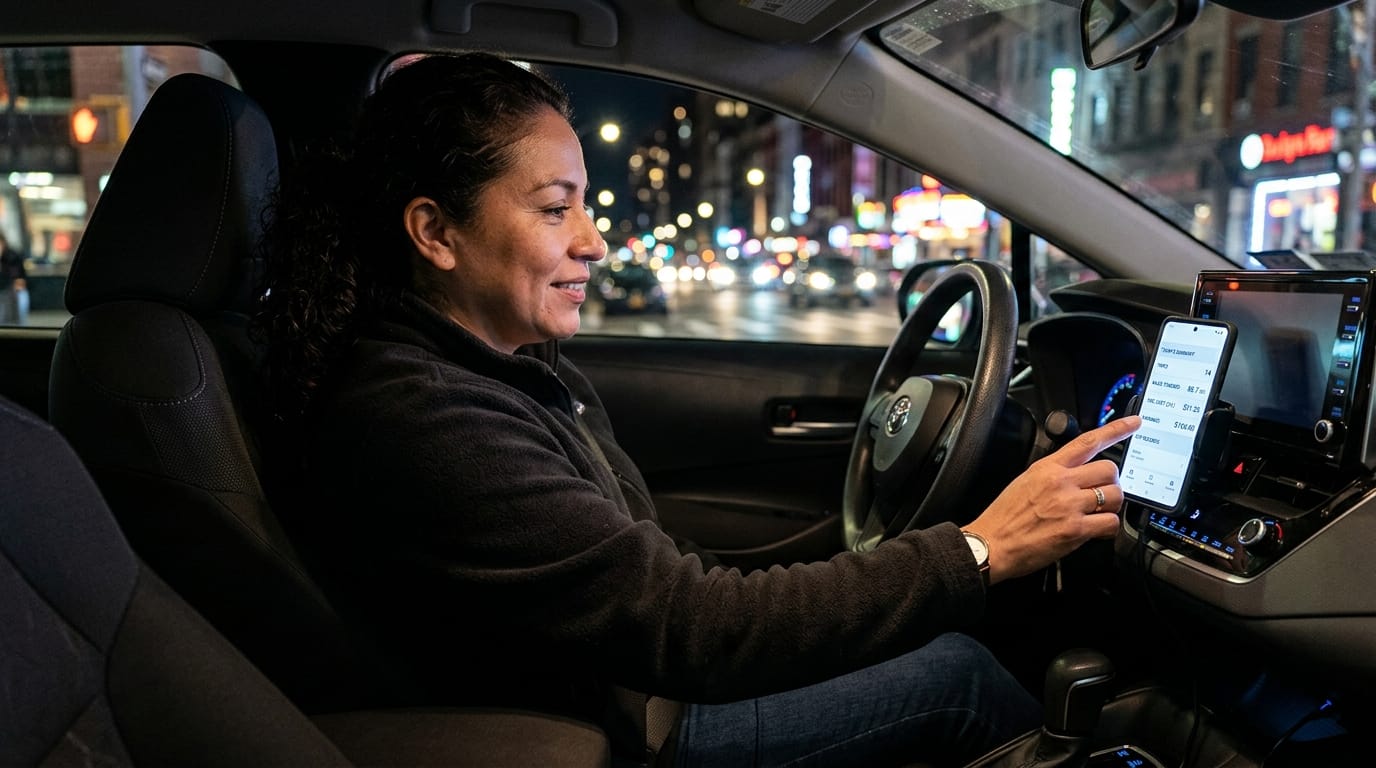
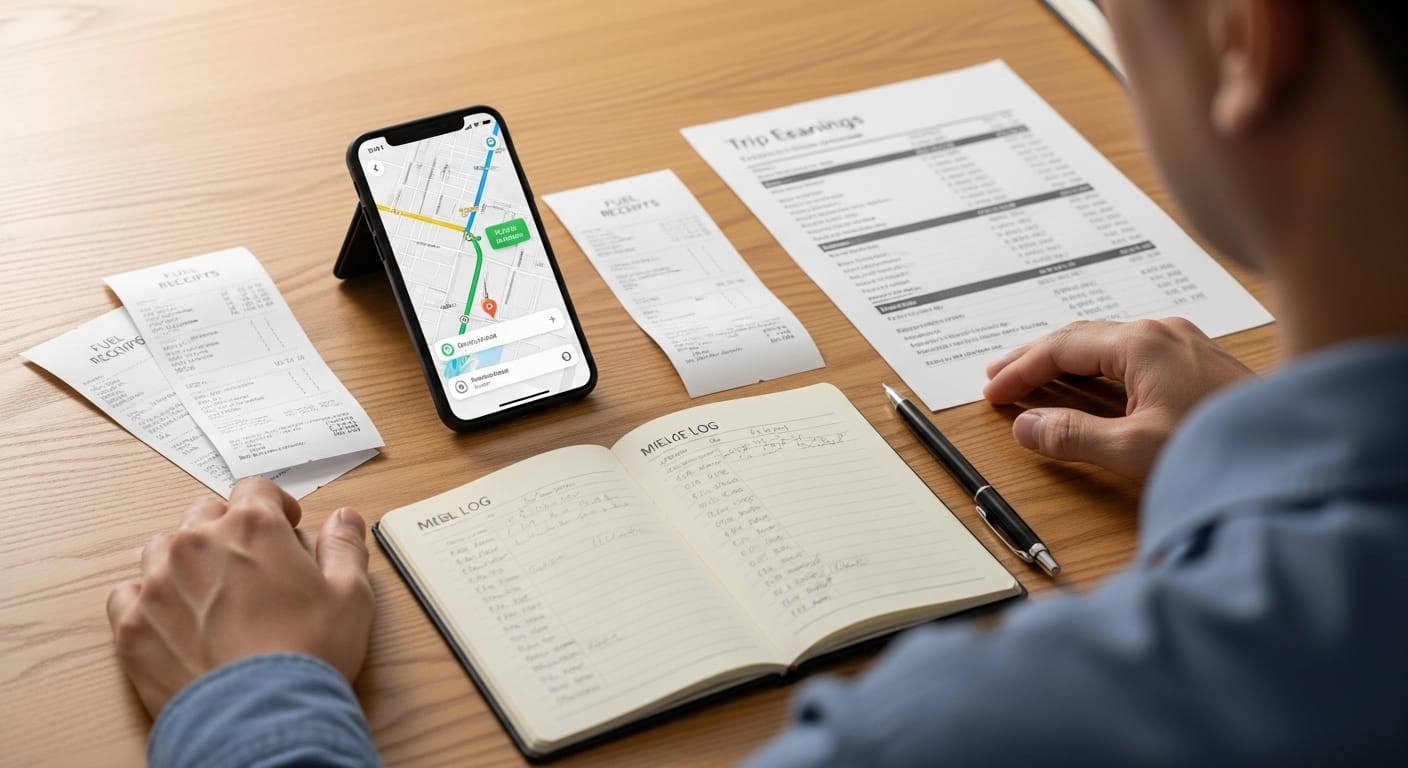
Track total miles, app earnings, tips, bonuses, fuel spending, and hours online. Then compare shifts. If a weekend night creates more profit with fewer miles, that may be a better shift. If a weekday airport strategy creates too many dead miles, it may need adjustment.
How Uber and Lyft Drivers Can Reduce Fuel Pressure
Drivers cannot make gas prices disappear. They can reduce the damage. The best approach combines trip selection, mileage tracking, vehicle habits, discount programs, and tax planning.
Start with driving habits. Smooth acceleration, steady braking, proper tire pressure, and regular maintenance can improve fuel efficiency. These habits also reduce vehicle wear. A rideshare car is a work tool, so small maintenance choices matter.
Next, reduce dead miles. Avoid chasing far-away surge unless the math makes sense. Do not circle endlessly around crowded areas. Use destination filters carefully. Learn where trips usually end. Try to stay near demand instead of reacting to every map color.
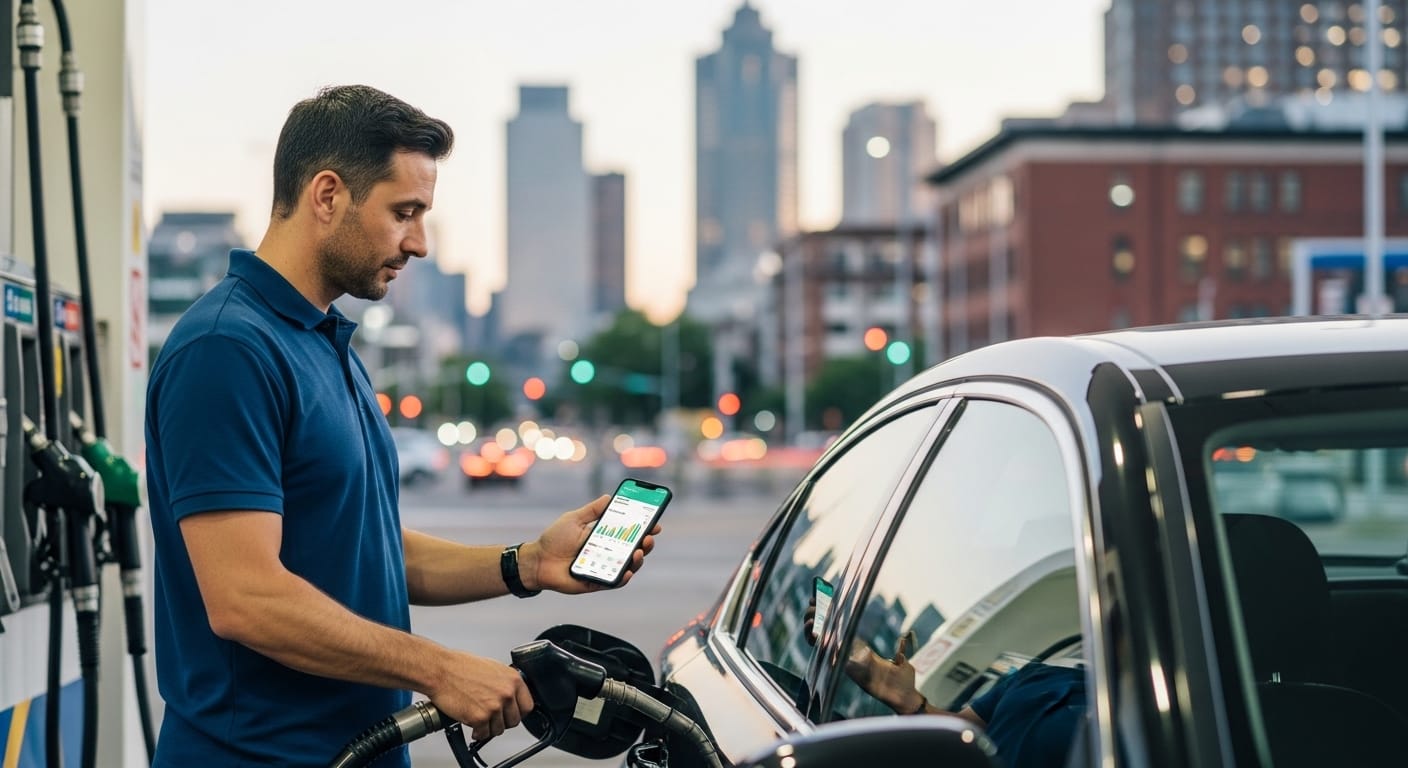
Fuel rewards can also help. Some platforms, cards, and partner programs offer temporary or ongoing savings. These discounts do not fix bad trip selection, but they can reduce pressure when used wisely.
A Practical Fuel-Saving Plan for Daily Drivers
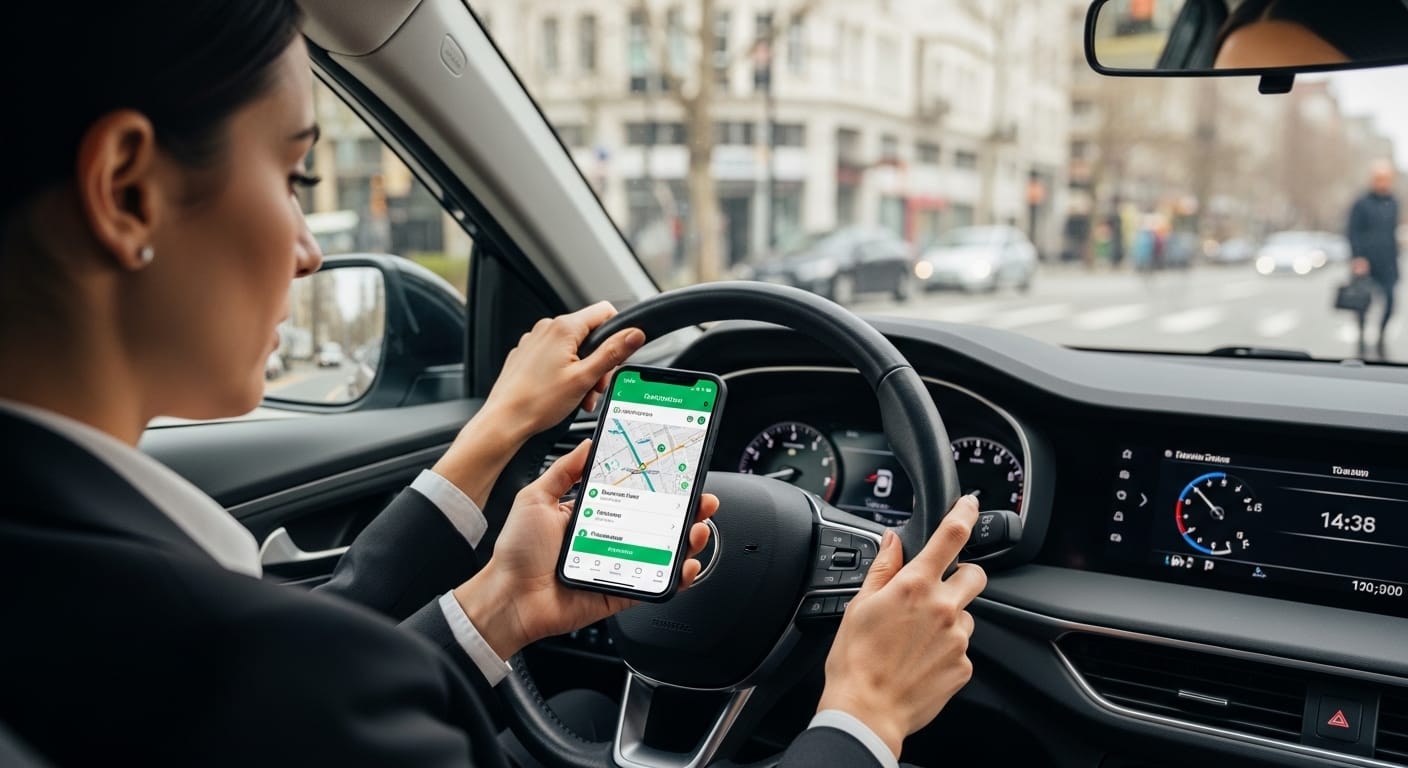
Before each shift, choose a target area and a backup area. Check traffic, weather, local events, airport patterns, and likely demand. A planned shift usually beats random driving.
During the shift, set simple ride rules. Limit long pickups. Avoid rides that end far from demand unless the payout is strong. Watch traffic delays. Take breaks before fatigue affects decisions.
After the shift, review the numbers. Look at fuel used, total miles, earnings, tips, and hours. Drivers do not need a complicated spreadsheet. Even a simple weekly note can reveal bad habits.
Tax tracking can soften the blow, but it does not replace profit
Tax deductions matter, but they do not turn bad rides into good rides. Drivers should track business miles and expenses because those records can reduce taxable income. They should also keep fuel receipts, toll records, parking receipts, and maintenance records when needed.
For official tax guidance, drivers can review the IRS Gig Economy Tax Center. Drivers should also read your internal guide on rideshare driver tax deductions for a more driver-focused breakdown.
Still, drivers need to be honest. A deduction reduces taxes. It does not refund every dollar spent at the pump. Real profit comes from earning more than the full cost of the shift.
Fuel discounts help most when drivers already choose better trips
Fuel discounts can support a driver’s strategy. They should not become the strategy. Saving a few cents per gallon helps, but a driver can lose much more by accepting weak rides, driving too far empty, or waiting too long in the wrong area.
Drivers should compare available fuel programs, app rewards, debit card offers, and warehouse club prices. They should also avoid driving far just to save a few cents. The extra distance can erase the discount.
The bottom line is clear. Rideshare fuel costs will keep shaping driver profit in 2026. Drivers who treat fuel as a business expense will make better choices than drivers who only watch gross app earnings.
A better rideshare profit strategy starts with trip math. Track miles. Avoid wasteful pickups. Reduce idle time. Use discounts wisely. Keep tax records. Choose shifts that create real profit, not just busy screens.
Uber and Lyft drivers cannot control the pump price. They can control how often they drive unpaid miles, where they wait, and which trips they accept. That is where the money is. The drivers who understand that will have a better chance of staying profitable in a difficult fuel-cost year.